Burkina Faso’s youth training in Russia: a high-stakes gamble with unanswered questions
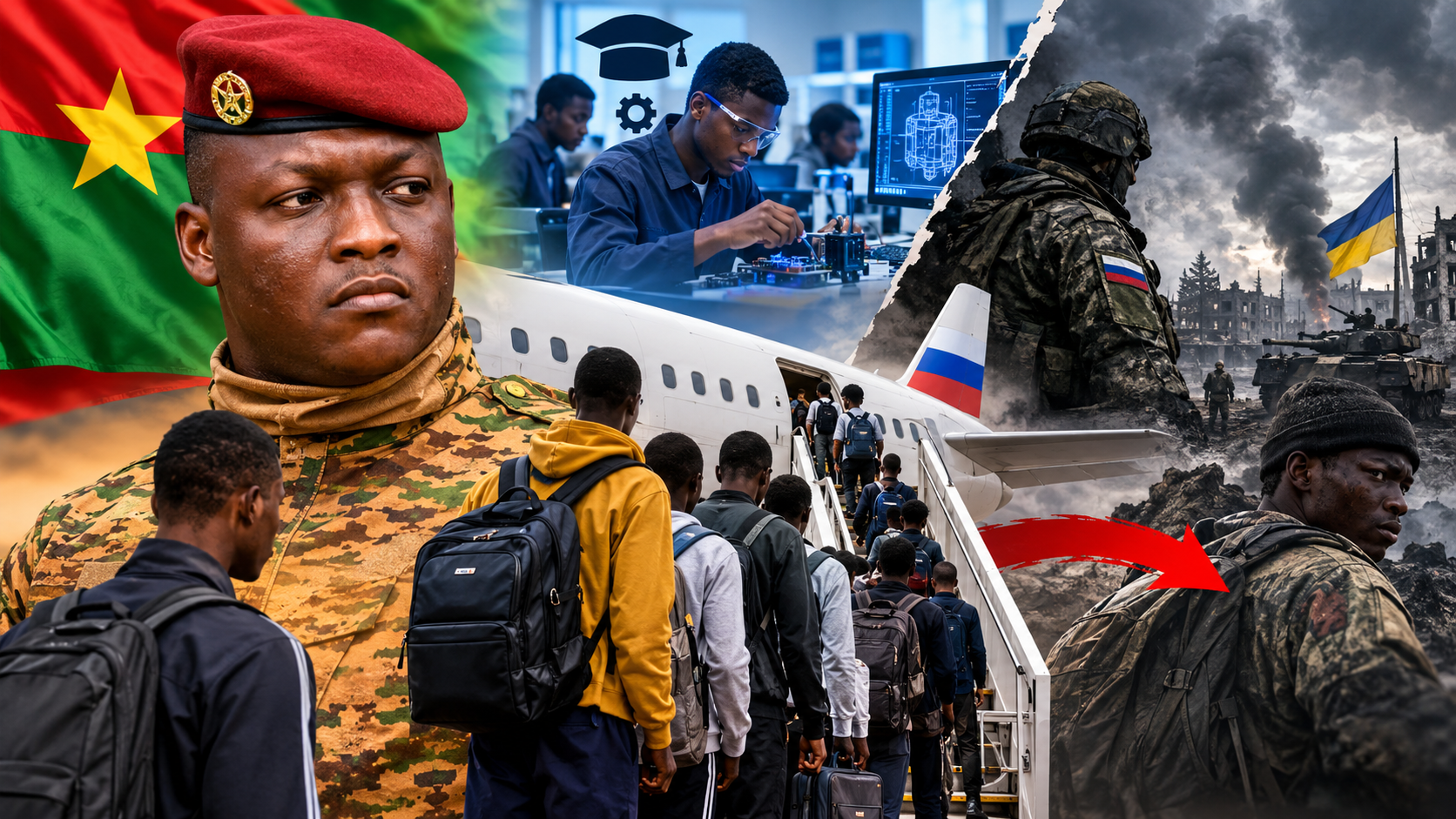
Burkina Faso’s plan to send young citizens to Russia for advanced technical training has sparked intense debate, raising critical concerns about the true motives and potential risks behind the initiative. While officials promote the opportunity as a pathway to technological empowerment, critics question whether the program could instead expose vulnerable youth to unforeseen dangers amid Russia’s ongoing war in Ukraine.
From education pledges to overseas training: a shift in strategy
The government’s decision to send Burkinabè youth abroad for training stands in stark contrast to earlier declarations advocating for local education and skill development. Under Ibrahim Traoré’s leadership, national sovereignty in education was once framed as a cornerstone of progress, with calls to build technical capacity within Burkina Faso’s own universities and vocational institutions. The reversal of this approach shifting focus to foreign training, specifically in Russia has left many questioning the logic behind such a high-risk strategy.
Russia’s war zone: a safe learning environment?
Russia’s military engagement in Ukraine has transformed the country into a volatile environment, raising serious doubts about its suitability as a training destination for foreign students. Reports from other African nations have highlighted cases where individuals recruited under the guise of vocational or educational opportunities were later coerced into military service. These precedents underscore the urgent need for Burkina Faso to clarify the safeguards in place to prevent similar outcomes for its youth.
Unanswered questions loom over the program
The lack of transparency surrounding the initiative has fueled skepticism. Key details remain undisclosed, leaving families and observers with critical uncertainties:
Scope of participation: How many Burkinabè youth will be involved, and what are their profiles?
Training institutions: Which Russian schools or academies will host the students, and what accreditation will their programs carry?
Diplomas and recognition: Will the qualifications earned be recognized in Burkina Faso, and how will they contribute to national development?
Legal protections: What legal frameworks will govern the students’ stay, and who will ensure their compliance?
Return guarantees: Is a safe return to Burkina Faso assured for all participants?
Military recruitment safeguards: What measures will prevent indirect or coerced enrollment in military activities?
A broken promise to national education?
The government’s justification for this overseas training initiative rests on the premise of acquiring advanced technical skills. Yet, this argument collides with the earlier pledge to prioritize domestic education infrastructure. If Burkina Faso possesses the resources to fund foreign training, why not redirect that investment to strengthen local universities, technical schools, and research centers? The contradiction between past rhetoric and present action demands urgent clarification from Ibrahim Traoré and his administration.
The human cost of unchecked ambition
Beyond the geopolitical and economic considerations, the most pressing issue is the welfare of the young participants. Families deserve assurances that their children will not be sent into harm’s way under the guise of education. The reality is that no parent wants to learn one day that their child’s training abroad has been weaponized for a conflict they had no part in choosing.
The Burkinabè government must recognize that true progress is built on trust, transparency, and the protection of its citizens not on policies that gamble with their futures. The youth of Burkina Faso deserve better than to be treated as pawns in a high-stakes geopolitical experiment.
What comes next for Burkina Faso’s youth?
As the government moves forward with this controversial plan, the burden of proof lies on its leaders. They must demonstrate, without delay, that the initiative serves the long-term interests of the nation and its people. This requires concrete answers to the questions raised and a firm commitment to prioritizing the safety and aspirations of Burkinabè youth above all else.
By Yacouba Ouédraogo — Journalist
