Burkina Faso’s twin jihadist assaults: can security forces halt the expanding threat?
How coordinated strikes on Lalgaye and Ouahigouya are reshaping Burkina Faso’s security landscape
On September 26, Burkina Faso faced a pivotal moment as coordinated jihadist attacks erupted simultaneously in two strategically critical regions. The assaults, later claimed by the Group for the Support of Islam and Muslims (JNIM), have intensified questions about the nation’s ability to counter an emboldened insurgency. As government forces scramble to respond, civilians and military personnel alike are grappling with the evolving tactics of armed groups operating across the Sahel.
Lalgaye’s military outpost becomes a flashpoint of the jihadist campaign
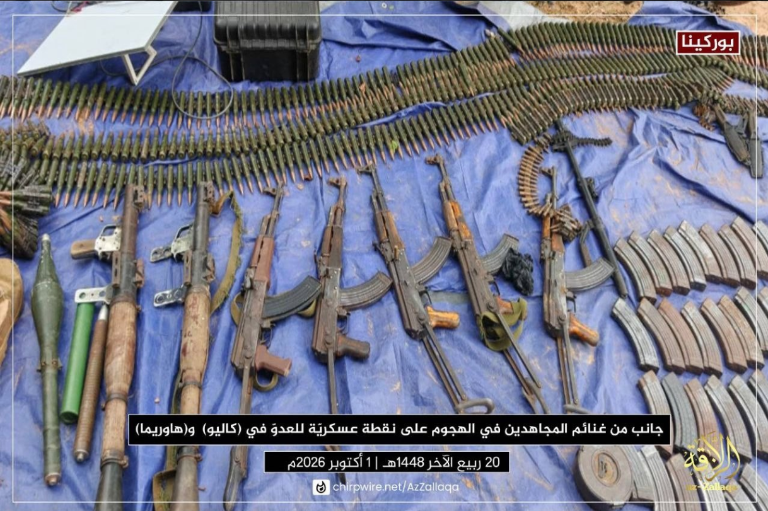
A densely wooded area in the Koulpélogo province became the epicenter of a deadly ambush when heavily armed militants targeted a Burkinabe military position at Lalgaye. The attackers exploited the element of surprise, breaching the compound despite a spirited defense by government troops. The confrontation resulted in one soldier’s death, while the raiders seized a substantial cache of weapons, ammunition, and communication equipment before vanishing into the surrounding forest.
Security analysts highlight how such raids serve a dual purpose: weakening local security infrastructure while replenishing the terrorists’ arsenal. The Koulpélogo region, straddling borders with Togo and Ghana, has become a vital corridor for JNIM operations, enabling the group to move resources and personnel between the Sahel and West African coastal states.
Ouahigouya’s northern front faces a calculated offensive
Hundreds of kilometers north, the city of Ouahigouya — a key administrative hub in the Yatenga province — came under a coordinated assault on the same day. While human casualties remain underreported, the attack left at least one military armored vehicle destroyed, likely by heavy weaponry or an improvised explosive device. The precision timing of these operations underscores the militants’ operational sophistication, demonstrating their ability to strike at multiple locations with synchronized precision.
The simultaneous nature of the attacks suggests a deliberate strategy to stretch Burkina Faso’s military resources thin, forcing a reactive rather than proactive defense posture. This tactic not only aims to inflict material damage but also to erode public confidence in the government’s ability to protect its citizens.
Why these assaults signal a turning point in Burkina Faso’s conflict
Jihadist groups in the Sahel have long employed a strategy of attrition, targeting isolated military posts to degrade state authority gradually. However, the Lalgaye and Ouahigouya attacks reveal a concerning escalation in their operational capacity. The ability to conduct simultaneous, well-planned operations indicates a significant shift from sporadic raids to a more coordinated campaign.
For local populations, the consequences are dire. Inhabitants of rural areas now face a dual threat: direct violence from armed groups and the unintended impact of military operations. The destruction of critical infrastructure and the displacement of communities further exacerbate the humanitarian crisis unfolding across Burkina Faso.
The government’s counter-strategy: between reassurance and real challenges
In response to the recent assaults, Burkinabe authorities have deployed aerial reconnaissance and pursuit operations to track fleeing militants. While the transitional government has repeatedly pledged to reclaim lost territories, the logistical hurdles and human costs of such an endeavor remain daunting. Asymmetric warfare tactics, including roadside bombings, continue to pose significant challenges to military mobility and effectiveness.
The international community has observed these developments with growing concern, particularly as the insurgency’s reach expands beyond Burkina Faso’s borders. The pressure on regional security forces highlights the need for a unified and sustained counterterrorism effort, rather than isolated national responses.
What lies ahead for Burkina Faso’s security landscape
The aftermath of the Lalgaye and Ouahigouya attacks serves as a stark reminder of the resilience of jihadist networks in the Sahel. As militants adapt their tactics to exploit vulnerabilities, the Burkinabe government must balance immediate security concerns with long-term strategies to restore stability. The outcome of this struggle will not only shape Burkina Faso’s future but also influence the broader fight against terrorism in West Africa.
For now, the question remains: Can Burkina Faso’s security forces adapt quickly enough to stem the tide of this expanding insurgency, or will the nation continue to lose ground to an increasingly emboldened enemy?
