Burkina Faso’s Koudougou stadium: funding sources still unclear despite project kickoff
Project Announcement Sparks Questions Over Financial Backing
The 15,000-seat stadium in Koudougou, Burkina Faso, has moved closer to reality with official site preparations underway. However, critical details about its funding remain conspicuously absent from public records, leaving citizens and stakeholders in the dark about who will ultimately foot the bill for this major sports infrastructure.
Key Project Details Surface Amid Construction Plans
Designated as part of the Presidential Initiative for Sporting Excellence (IP-RELIS), the Koudougou stadium project aims to bolster local sports infrastructure. According to official preliminary assessments conducted on October 24, 2026, the chosen construction site meets the project’s technical requirements. Yet despite these procedural milestones, the financial architecture of the project remains shrouded in opacity.
Who Will Cover the Construction Costs?
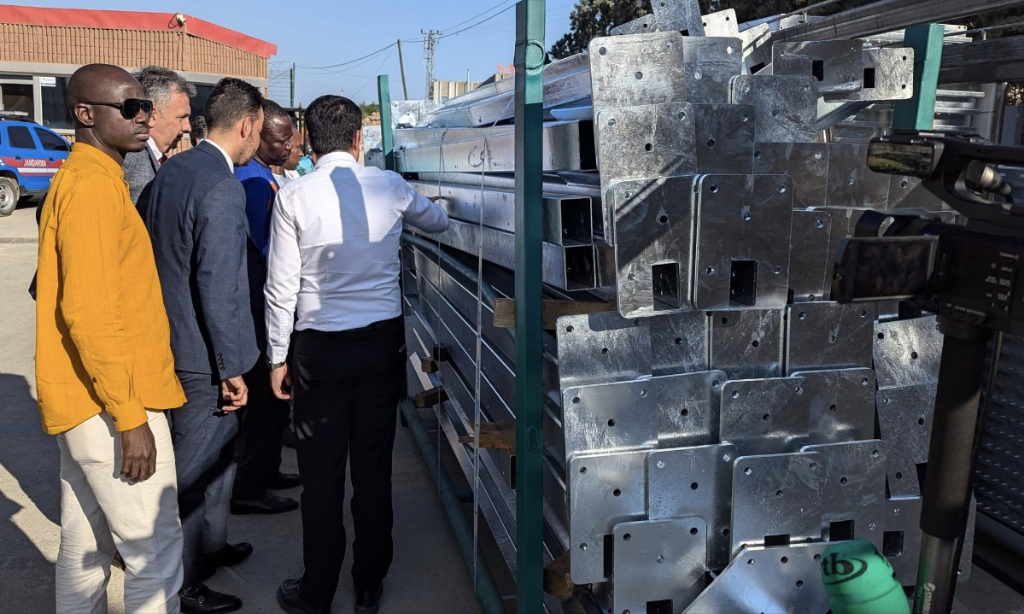
Turkish construction firm Integral Sport, already involved in Burkina Faso’s sports infrastructure development, has been tapped to lead the project. While their technical expertise is confirmed, their financial role—if any—has not been publicly disclosed. The same uncertainty surrounds the Agence Faso Mêbo, the national sports agency tasked with project oversight.
Public documents and official statements have failed to clarify whether:
- Funding comes entirely from Burkina Faso’s national budget
- International partners or investors are contributing
- The project relies on a blended financing model
Transparency Gaps Raise Public Concerns
The lack of financial disclosure surrounding the stadium project mirrors broader concerns about accountability in public infrastructure spending. Citizens have a vested interest in understanding:
- The total estimated construction cost
- The breakdown of funding sources
- How project contracts were awarded
- The financial responsibilities of each involved party
Without these clarifications, public scrutiny intensifies over whether public funds are being used appropriately and efficiently.
What Authorities Need to Disclose Immediately
To resolve the funding uncertainty, multiple stakeholders must provide transparent documentation:
- Official contract details between Integral Sport and the government
- Confirmed budget allocation from Burkina Faso’s treasury
- Any loan agreements or foreign investment commitments
- The project’s execution timeline and payment milestones
These disclosures would not only validate the project’s feasibility but also reassure citizens about the responsible use of public resources.
Bigger Picture: Sports Development vs. Financial Clarity
While a 15,000-seat stadium in Koudougou could significantly boost local sports development, its long-term benefits depend entirely on transparent financial planning. The current information vacuum risks undermining public trust in the project, regardless of its eventual scale or technical specifications.
Until authorities release verifiable financial data, the question remains unanswered: Is this a self-funded national project, a public-private partnership, or an externally financed initiative?
The Path Forward
For the project to gain public acceptance, authorities must prioritize transparency. Publishing the missing financial details would:
- Clarify the project’s true cost and funding sources
- Prevent misinformation and speculation
- Ensure alignment with IP-RELIS’s stated objectives
- Demonstrate accountability in public spending
Without these critical disclosures, the Koudougou stadium project’s financial foundations remain as uncertain as ever.
