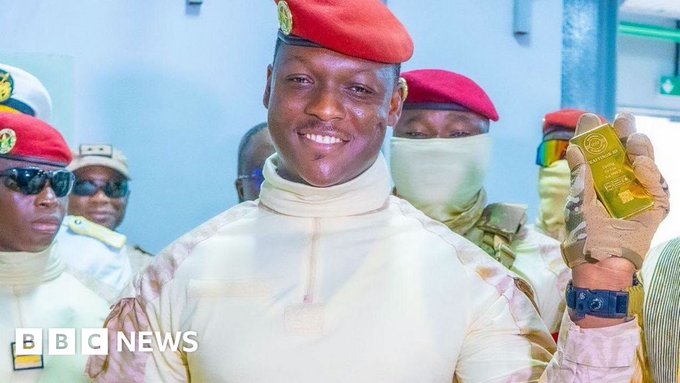
Burkina Faso’s gold refinery unveils strategic contradictions: where does the refined gold really end up?
The promise of economic sovereignty through RAFFINOR-BF
The inauguration of Burkina Faso’s first national gold refinery, RAFFINOR-BF, on September 28, 2026, in Ouagadougou, was framed as a landmark achievement toward economic self-reliance. With an initial processing capacity of 164 tonnes annually scalable to 515 tonnes the facility represents a $170 million (11 billion CFA francs) investment in the country’s mineral resources. The stated goal: to retain greater value within national borders by refining gold domestically rather than exporting raw ore.
President Ibrahim Traoré emphasized the refinery’s role in asserting control over the « entire value chain, » from extraction to marketable gold. Yet beneath the celebratory rhetoric lies a critical unresolved question: where will the refined gold ultimately be stored, and who will govern its custody, certification, commercialization, and financial management?
The unresolved custody dilemma and Russian involvement
Behind the scenes of a geopolitical partnership
While RAFFINOR-BF boasts a secured on-site storage facility, reports emerging in June 2026 suggest that Burkina Faso has entered a binding agreement with a Moscow-based financial institution to store its gold reserves in Russia. This collaboration aligns with the deepening bilateral ties between Ouagadougou and Moscow, particularly in economic, mining, and energy sectors.
The arrangement raises profound concerns about whether the refinery’s construction was designed to project autonomy while obscuring the reality that ownership and control of the gold may ultimately reside outside Burkinabè jurisdiction. Even with a domestic storage zone, the public documentation points to a systematic transfer of refined gold to Russian custody.
Sovereignty in question: autonomy or new dependency?
The paradox is striking: a flagship facility built to assert national control over gold processing may, in fact, reinforce external influence. Analysts argue that the refinery’s operational model could mirror colonial-era resource extraction, where infrastructure is developed locally but strategic decisions including storage and financial management remain under foreign oversight.
The public narrative of economic emancipation thus collides with the geopolitical reality of dependency. The question is no longer whether RAFFINOR-BF represents progress, but whether it constitutes a Trojan horse for retention of Burkinabè wealth abroad.
The broader implications for Burkina Faso’s economy
The refinery’s launch has sparked intense debate over its tangible benefits for the national economy. While proponents highlight job creation, reduced export dependency, and potential tax revenue, critics warn of superficial gains. The absence of transparent governance mechanisms for the gold’s custody and revenue streams casts doubt on whether the project will deliver meaningful economic sovereignty.
Moreover, the Russian custody arrangement introduces geopolitical risks. Fluctuations in international relations could impact access to reserves, particularly in times of diplomatic strain. The lack of clarity around repatriation clauses or sovereign control over the gold leaves Burkinabè authorities vulnerable to external pressures.
What’s next for Burkina Faso’s gold strategy?
As RAFFINOR-BF begins operations, the critical test will be the transparency of its supply chain and financial flows. Will Burkina Faso secure independent audits of its gold reserves? Can the government demonstrate unambiguous control over storage and revenue management? The answers to these questions will determine whether the refinery is a step toward true economic independence or a strategic maneuver with hidden costs.
The stakes are high. With gold representing a significant share of Burkina Faso’s export earnings, the refinery’s long-term impact hinges on resolving the custody dilemma. Until then, the project’s legacy remains ambiguous celebrated as progress yet shadowed by the specter of foreign control.
By Maimouna Kaboré — Editor-in-Chief
