Burkina Faso’s flawed agricultural model: how sovereignty overlooks the farmers who feed the nation
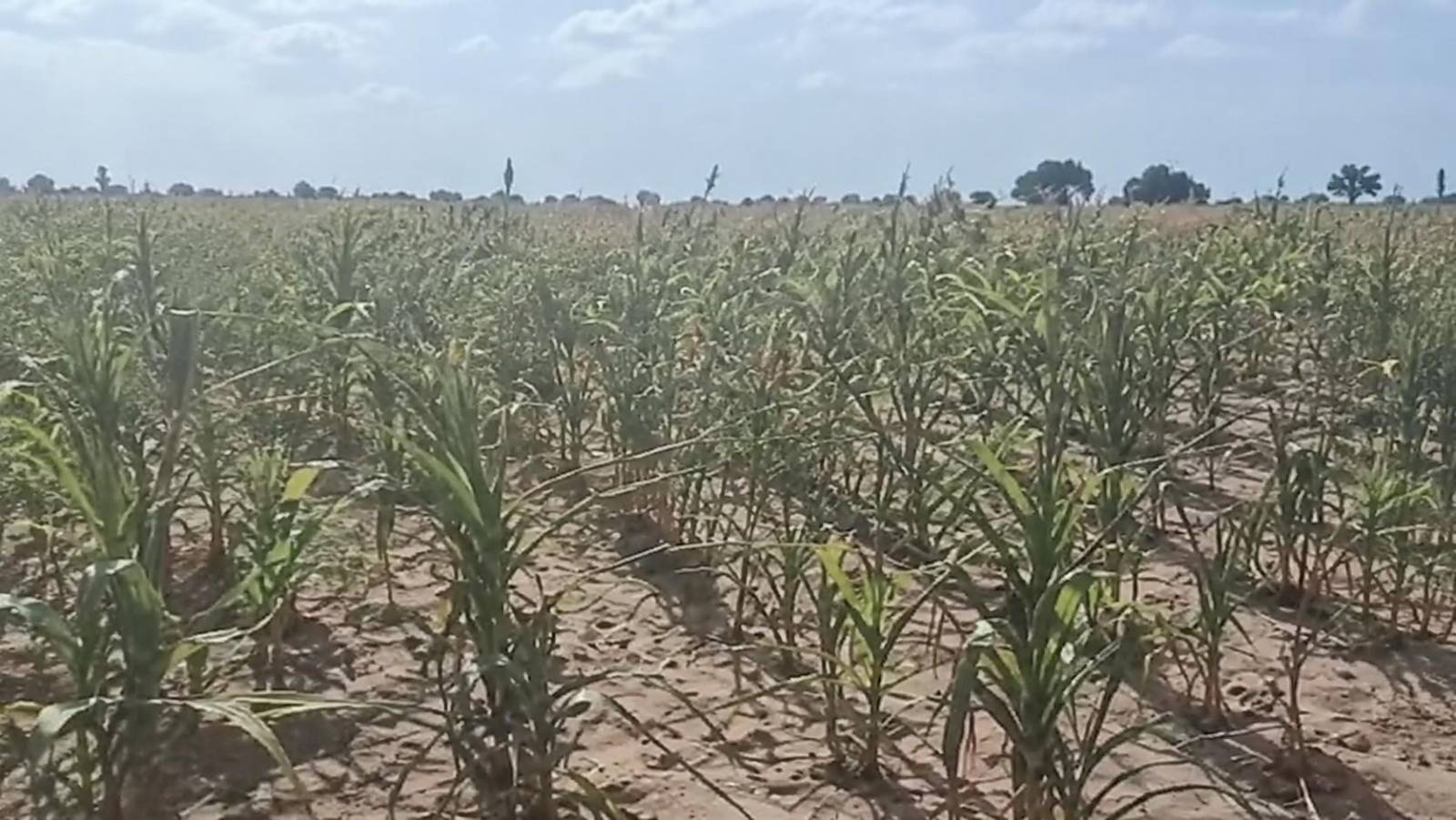
The reality in Tougan is starkly different from the rhetoric. Behind the headlines celebrating national sovereignty and industrialization, local farmers are grappling with a harsh truth: selling their harvests at a loss, drowning in debt, and, in extreme cases, contemplating migration just to survive.
A farmer from Tougan shares their experience: “Last year’s maize harvest was abundant, yet prices were capped so severely that we made no profit. Now, with outstanding loans piling up, some are forced to cross the border simply to stay afloat.” Their words encapsulate a brutal paradox: farmers lose whether the harvest is good or bad.
This raises a critical question: where does the priority lie for those who feed the nation?
Since assuming power, Captain Ibrahim Traoré has repeatedly emphasized local production, economic sovereignty, and the country’s ability to manufacture essential equipment, including military supplies. Industrial announcements, particularly those tied to defense, have become a cornerstone of this narrative.
Yet sovereignty extends beyond factories and weapons. While the state celebrates its expanding industrial base, farmers in regions like Tougan face immediate crises: stagnant purchase prices, unsustainable debt, unpredictable markets, and vanishing profit margins.
The core issue is not production volume but sustainability. No business nor country can thrive if those producing its food cannot earn a living. The dilemma in Tougan is emblematic of a deeper structural flaw: how can agriculture remain viable when success drives prices down and failure pushes producers into debt?
This is where the narrative of sovereignty reveals its blind spot. A nation does not achieve true independence by merely producing its own weapons. It must also ensure that those who cultivate its food can prosper. The paradox is glaring: while the state invests in heavy industry, farmers struggle to recoup even the most basic costs of production.
By focusing on images of factories, machinery, and military hardware, policymakers risk overshadowing the plight of rural families those who toil in fields, store grain, and take out loans, only to see their livelihoods teeter on the edge of collapse.
Sovereignty is not measured by the number of tanks a nation can roll out. It is measured by the ability to sustain the hands that plant the seeds meant to feed the people.
In Tougan, the pressing question is not how many factories will open. It is far simpler, and far more urgent: how long can farmers continue to work without earning a wage?
By Yacouba Ouédraogo — Journaliste d’investigation
