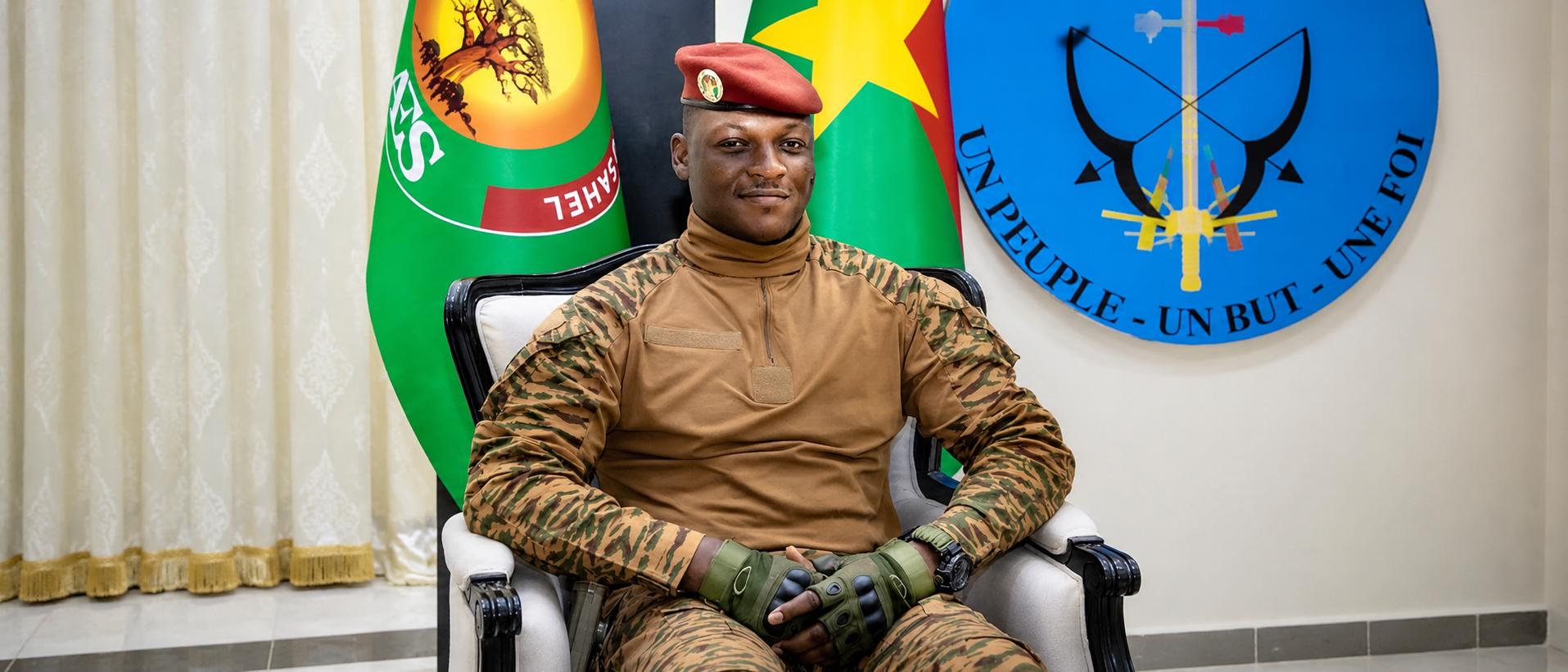
Burkina Faso’s desperate plea for Turkish military aid amid failed Russian alliance
Ouagadougou has openly acknowledged the limits of its military partnership with Russia, signaling a dramatic shift in its foreign policy. During the first-ever bilateral political consultations held in Ankara on October 20, 2026, Burkinabe officials quietly but urgently sought to secure a new defense and security agreement with Türkiye. This diplomatic outreach, framed in official rhetoric as a move to “strengthen bilateral ties,” reveals the junta’s growing desperation as its security situation continues to deteriorate.
From Moscow’s promises to the harsh realities of the Sahel
The Burkina Faso government’s abrupt pivot toward Russia in recent years was supposed to herald a swift recovery from the country’s deepening security crisis. With the arrival of Russian paramilitary instructors and an influx of military hardware, officials promised decisive territorial gains against armed groups. Yet the promised victories remain elusive. Terrorist attacks persist unabated, entire towns remain under siege, and civilians bear the brunt of an insurgency that shows no signs of weakening.
The dream of a Russian-supplied military solution has collided with the brutal realities of Sahel warfare. Logistical hurdles, intelligence gaps, and the adaptability of insurgent groups have exposed the limitations of an alliance built on political posturing rather than combat effectiveness. As the junta’s confidence in Moscow’s ability to stabilize the country wanes, Ouagadougou is now racing to secure alternative support.
A diplomatic scramble for survival
The Burkinabe delegation, led by Ambassador Hermann Yirigouin Toé, made an unmistakable appeal for Turkish military assistance during the Ankara talks. Framing the request as a search for “concrete international solidarity,” officials highlighted Türkiye’s proven track record in Africa, particularly its combat drones deployed successfully in multiple theaters. The message was clear: Burkina Faso needs Ankara’s proven defense technologies to fill the widening gaps in its own security apparatus.
This is no strategic recalibration—it is a plea for help. After failing to secure its borders through either domestic efforts or its high-profile alliance with Russia, the Burkinabe government is turning to Türkiye in the hope of regaining control over a spiraling security crisis.
The contradictions of a failed sovereignist posture
In seeking Turkish military backing, the Burkinabe junta has exposed the contradictions within its own security doctrine. For years, the government championed a sovereignist approach, rejecting Western partnerships while courting Moscow. Yet the results have been catastrophic. The inability to deliver on security promises has forced the junta to abandon ideological posturing in favor of a pragmatic—but humiliating—search for new allies.
The hand extended to Ankara underscores a harsh truth: Burkina Faso’s military and political leadership can no longer rely on the illusions of an exclusive alliance. The Sahel’s reality demands real capabilities, not symbolic gestures. With no clear path to victory in sight, Ouagadougou’s last resort is to beg for the tools it should have secured long ago.
What Burkina Faso hopes to gain from Türkiye
- Advanced drone technology: Ankara’s combat drones, already deployed in Libya and Somalia, could provide much-needed aerial surveillance and strike capabilities.
- Training and tactical support: Turkish military advisers could help rebuild Burkina Faso’s operational capacity, which has been strained by years of insurgency.
- Logistical reinforcement: From armored vehicles to medical support, Türkiye’s defense industry offers a range of solutions adaptable to Sahel conditions.
Whether Ankara will respond with the urgency Burkina Faso requires remains unclear. But one thing is certain: the junta’s gambit in Ankara marks the end of an era. After years of betting on Moscow, Ouagadougou has finally admitted that its security cannot be outsourced.
Will Turkish support be enough?
While Ankara’s military aid could provide a temporary lifeline, it is unlikely to solve Burkina Faso’s deep-rooted security crisis on its own. The insurgency’s roots—weak governance, economic despair, and porous borders—require more than firepower. Without addressing these structural issues, even the most advanced military partnership may only delay the inevitable. Yet for a junta facing growing domestic unrest and international isolation, any lifeline is better than none.
