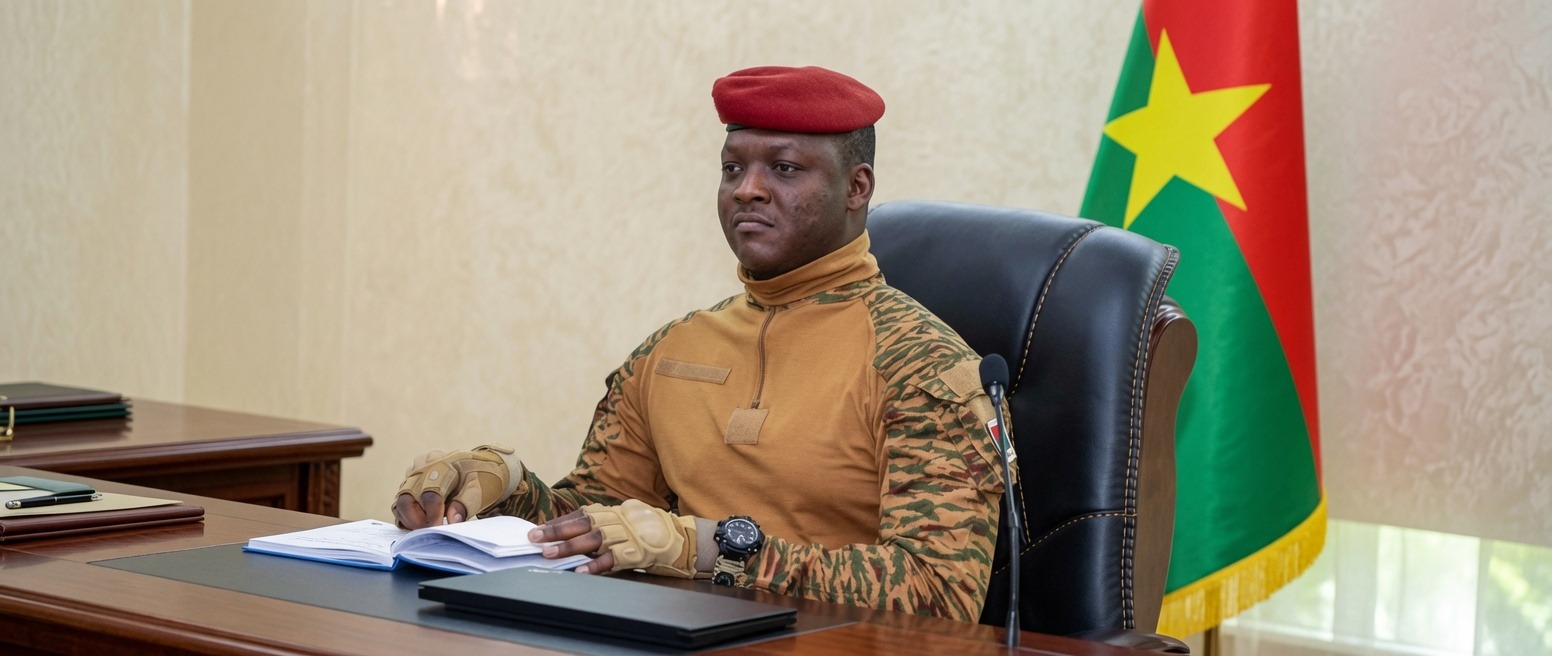
Burkina Faso turns to UEMOA market with $171M bond amid rising debt crisis
Burkina Faso is doubling down on regional debt markets to plug a widening budget gap, launching a new 100 billion FCFA (approx. $171.2 million) bond issuance from October 12 to 30. The move underscores Ouagadougou’s growing reliance on short- to medium-term borrowing as international isolation and tight fiscal conditions leave few alternatives.
Regional debt markets become lifeline for landlocked nation
With limited access to global capital markets, Burkina Faso is leaning heavily on the West African Economic and Monetary Union (UEMOA) financial market. This latest bond issue—its largest of the year—comes as fiscal pressures intensify and foreign investment dries up.
The borrowing strategy stretches maturities to a decade, a first for the country, while offering interest rates between 6.60% and 7.00%. Though this extends repayment timelines, it significantly increases the long-term cost of servicing debt. Since January, the government has already raised over 1,000 billion FCFA through public securities, turning the regional market into a near-daily financial lifeline.
Debt surge reaches critical threshold
Total public debt has ballooned to 8,311 billion FCFA as of mid-2025, jumping 13% in just one year. More than half of this burden—nearly 60%—is domestic debt. The surge is not just a fiscal strain; it’s reshaping the broader economy.
The government’s aggressive borrowing is absorbing a disproportionate share of liquidity from regional banks and financial institutions. This risks crowding out private sector credit, leaving local businesses struggling to secure financing amid an already weakened business environment and persistent security challenges.
Gold dependency: a shaky foundation for growth
The International Monetary Fund (IMF) currently labels Burkina Faso’s debt risk as ‘moderate,’ with a debt-to-GDP ratio of about 51%. But this assessment relies heavily on stable global gold prices. Government projections of 6% GDP growth in 2026—higher than the IMF’s 4.9% estimate—are optimistic at best.
Rather than funding long-term infrastructure or revenue-generating projects, a large portion of new borrowing is being used to cover urgent security and operational expenses. Without structural reforms to broaden tax bases or improve fiscal discipline, the country remains trapped in a cycle where today’s debt simply refinances yesterday’s obligations.
Can short-term borrowing avert long-term financial ruin?
The bond issuance reflects a desperate gamble: securing immediate liquidity while locking in higher future debt costs. With no clear path to diversifying revenue or attracting foreign investment, Burkina Faso’s financial strategy increasingly resembles a high-stakes juggling act—one wrong move could tip the balance into deeper insolvency.
