Burkina Faso-Mali summit steers Sahel alliance without Niger’s presence
Diplomatic engagement strengthens despite absence
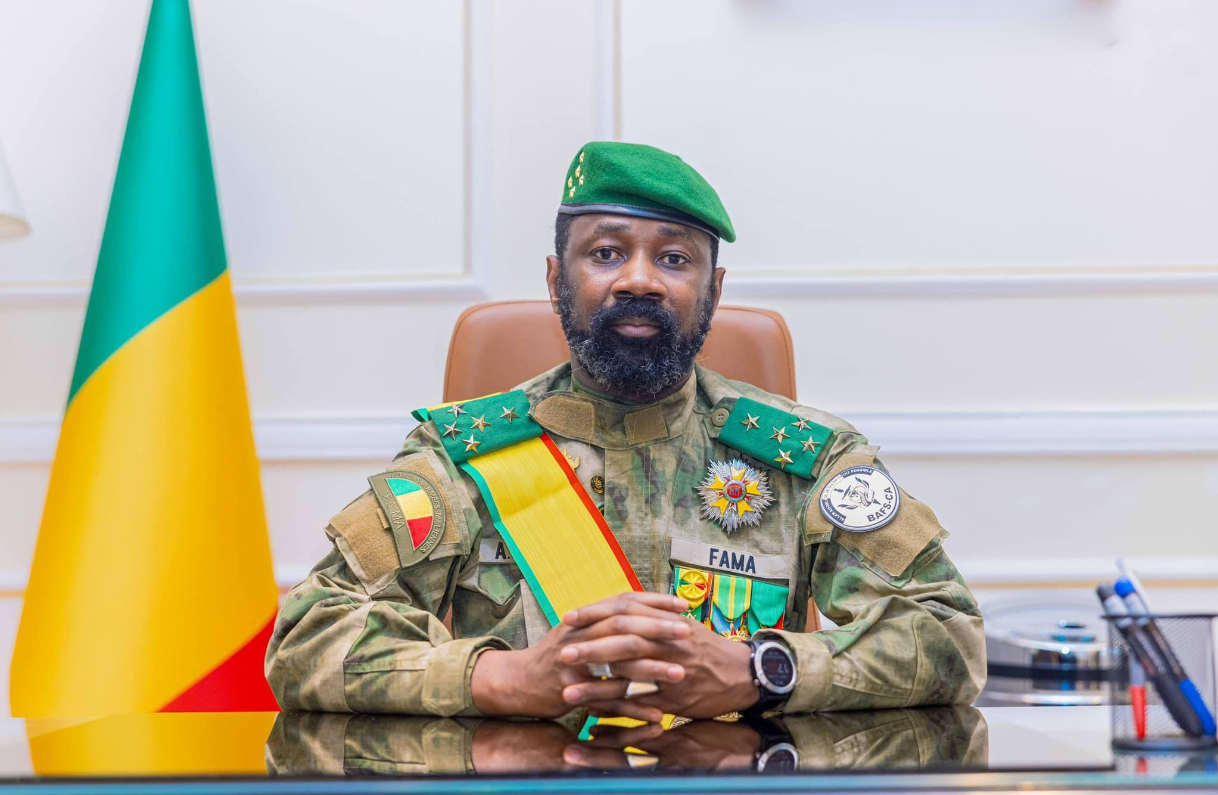
The president of Mali, General Assimi Goïta, arrived in Ouagadougou on November 5, 2026, for an official working visit with his Burkinabè counterpart, Captain Ibrahim Traoré. While this meeting underscores the growing ties between Bamako and Ouagadougou, the absence of Niger’s president, Abdourahamane Tiani, has raised questions about the cohesion of the Sahel States Confederation (AES).
Bilateral focus overshadows tripartite alliance
According to Burkina Faso’s State Protocol Directorate, the visit was framed as a bilateral engagement between Mali and Burkina Faso. Yet, as the only two active members of the AES participating in this summit, their discussions carry implications beyond their national borders. Analysts are closely watching whether this meeting signals a shift toward deeper bilateral cooperation or reflects broader challenges within the alliance.
The AES, established in September 2023 and elevated to a confederation in July 2024, was designed to enhance political, military, and economic solidarity among Burkina Faso, Mali, and Niger. The joint declaration of shared sovereignty and cross-border collaboration has been a cornerstone of its strategy. However, the exclusion of Niger from this high-level encounter suggests potential cracks in the alliance’s unity.
Niger remains engaged but sidelined at top level
Despite Abdourahamane Tiani’s absence, Niger has not been formally excluded from AES decision-making. On October 16, 2026, foreign ministers from all three countries convened in Ouagadougou for the Confederation’s ministerial steering committee. This gathering aimed to align positions on regional security and economic policies, demonstrating ongoing collaboration at the ministerial level.
Yet, the absence of Niger’s head of state at the presidential summit highlights a critical gap: the need for consistent high-level coordination. While bilateral meetings play an essential role in fostering bilateral relations, the AES’s strategic direction depends on the participation of all three member states. Without Niamey’s top leadership present, doubts persist about the confederation’s ability to maintain unified momentum.
Security and diplomacy hinge on unified leadership
The Sahel region faces persistent threats from armed groups and transnational crime, requiring coordinated military and intelligence responses. The mutual defense pact envisioned by the AES relies on seamless cooperation among Burkina Faso, Mali, and Niger. Without Niger’s full engagement at the highest level, the effectiveness of joint operations and regional security initiatives could be compromised.
Diplomatically, a fractured AES weakens the bloc’s negotiating power with international partners. The absence of Niger at this summit may signal hesitation or internal divisions, potentially emboldening adversaries in the region. Observers warn that such gaps could delay critical funding, joint military exercises, or coordinated economic policies.
What’s next for the Sahel alliance?
The outcomes of this Mali-Burkina Faso summit will be scrutinized for clues about the AES’s future direction. If the discussions result in concrete agreements—ranging from security protocols to trade facilitation—this may reassure observers of the alliance’s resilience. However, without immediate follow-up consultations with Niger, the confederation risks appearing fragmented.
The broader implications are significant. A lasting precedent of exclusive bilateral engagements could erode trust among member states, ultimately weakening a project that was built on the promise of unity. The AES’s success hinges not only on strong ties between Bamako and Ouagadougou but on the collective commitment of all three capitals to a shared vision for the Sahel.
Context over crisis: reading between the lines
While the absence of Abdourahamane Tiani may seem symbolic, it does not necessarily indicate a formal rupture. Timing, agenda priorities, or logistical factors could explain his non-participation. Still, the optics of a major AES summit proceeding without one of its three founders invite speculation. The confederation’s long-term viability may depend on whether this moment is treated as a temporary anomaly or a warning sign of deeper rifts.
As the Sahel navigates complex geopolitical and security challenges, the ability of Burkina Faso, Mali, and Niger to present a united front remains vital. The Ouagadougou summit has opened a crucial dialogue—but it is only the beginning of what must be a continuous, inclusive process to secure the alliance’s future.
