Burkina Faso: examining the intersection of patriotism and national priorities in the absence of the Stallions
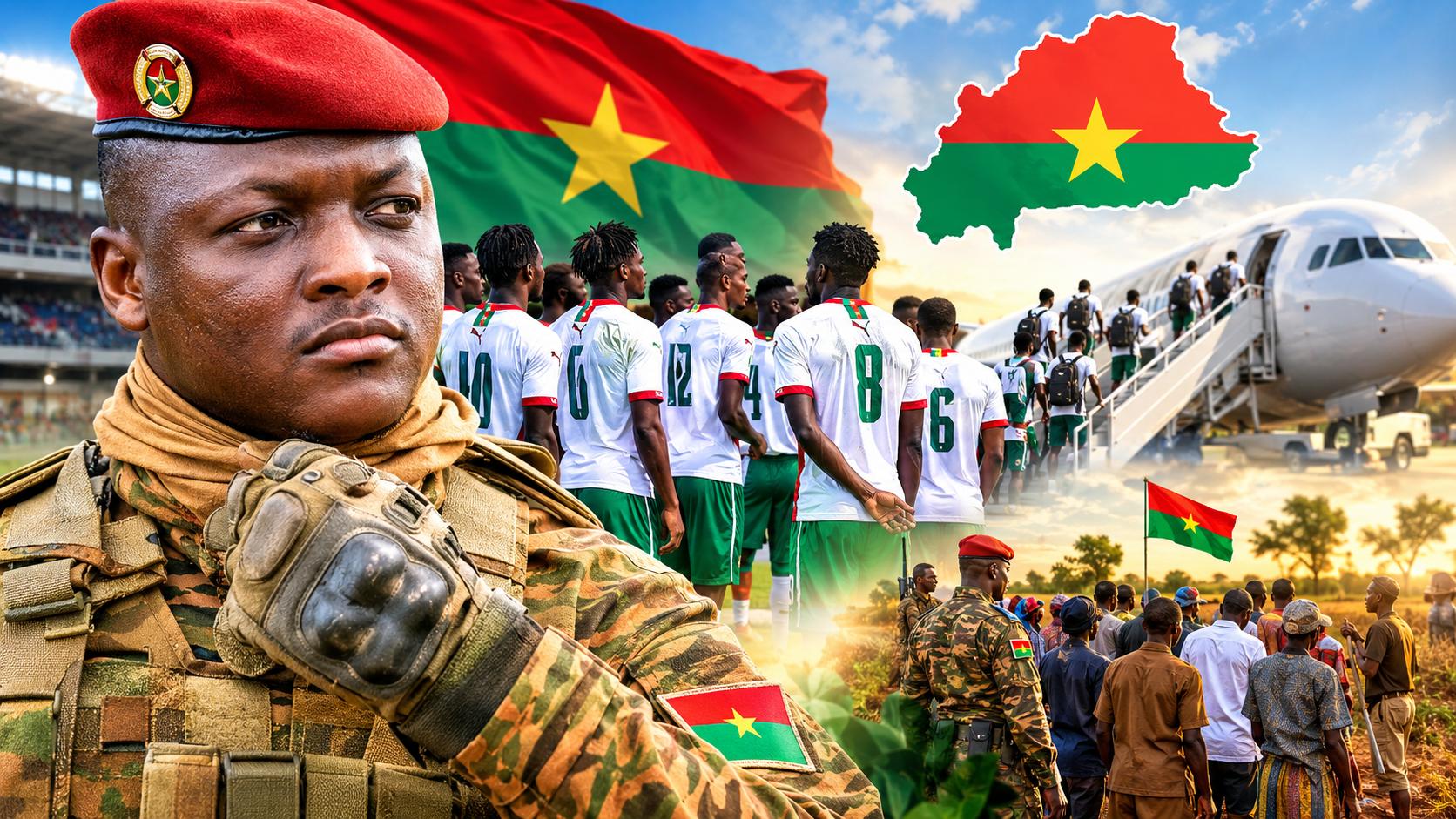
The absence of Burkina Faso’s national football team from its scheduled participation in Argentina has ignited a debate over the country’s evolving priorities. Reports suggest the entire squad was requisitioned for what authorities term ‘patriotic insertion,’ raising critical questions about the balance between national duty and athletic competition.
The mechanics behind the requisition: understanding the call to duty
According to insider accounts, the decision to redirect the national team aligns with a broader national strategy that prioritizes civic engagement over traditional sporting commitments. While the official narrative frames this as an effort to fortify national cohesion, the move has cast a spotlight on the extent to which patriotism now permeates all spheres of Burkinabè society, including sports.
This development is not isolated; it reflects a wider trend in which the fabric of public life from governance to grassroots initiatives is increasingly woven around the theme of national resilience. Yet, the extension of such measures to the national football team introduces a new dimension to this discourse, one that tests the boundaries of collective responsibility.
Patriotism at the expense of performance? The dilemma for the Stallions
The requisition of the team has left many observers questioning whether the prioritization of patriotism over sportsmanship risks undermining the country’s standing in international competitions. Football, as a symbol of national pride and unity, now finds itself entangled in a larger conversation about duty and sacrifice. For players who have dedicated their careers to representing Burkina Faso on the global stage, this shift presents an unprecedented challenge.
The debate extends beyond the team itself. It touches on the very identity of Burkinabè football and its role in shaping national morale. If the Stallions’ absence from Argentina becomes a recurring pattern, the long-term implications for the sport both domestically and internationally could be profound.
Behind the scenes: the unseen forces shaping national mobilization
Underlying this situation is a broader context of heightened civic duty in Burkina Faso. The country has, in recent years, redirected significant resources and attention toward addressing security challenges and reinforcing social cohesion. While these efforts have generated a sense of unity, they have also blurred the lines between traditional roles and urgent national needs.
The requisition of the national football team is emblematic of this shift, illustrating how patriotism is being redefined to encompass even the most unexpected domains. Yet, the lack of transparent communication from official bodies leaves room for speculation. Without a definitive statement from the Burkinabè Football Federation, the Sports Ministry, or government authorities, uncertainty lingers over the true motivations behind this decision.
Looking ahead: the future of patriotism in Burkinabè football
As Burkina Faso grapples with balancing its athletic ambitions and its call to duty, the case of the Stallions serves as a microcosm of the larger tensions shaping the nation. Will patriotism continue to expand its reach into sectors where tradition and professionalism once reigned supreme? Or will this episode prompt a re-evaluation of how national priorities are defined and implemented?
One thing is clear: the absence of the Stallions in Argentina has opened a dialogue that extends far beyond the pitch. It forces a confrontation with fundamental questions about the place of sport in a society undergoing rapid transformation and whether the pursuit of glory on the field can ever take precedence over the demands of the nation.
