
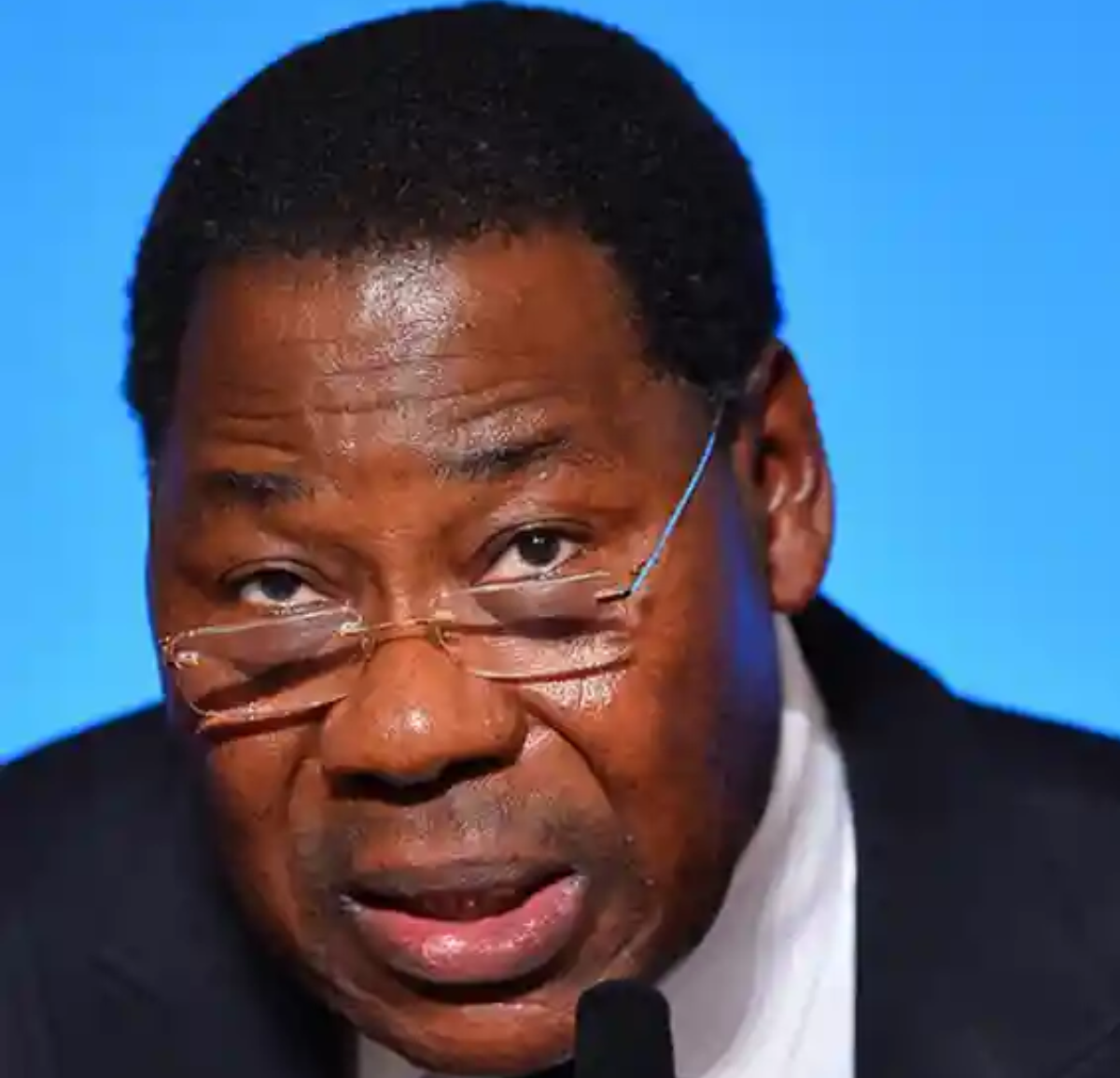
In a move that has left many observers stunned, former Beninese President Boni Yayi has declared his intention to take a seat in the upcoming Sénat, slated for official inauguration on July 30, 2026, in Porto-Novo. This announcement comes despite his earlier vocal opposition to the creation of the upper chamber during the 2025 constitutional reforms. Today, the ex-head of state—who led Benin from 2006 to 2016—has shifted his stance, now viewing the Senate as a critical platform for national dialogue, peace, and social cohesion.
The statement, shared on his official Meta page, underscores his commitment to serve as a senator, though he emphasizes this is not a personal aspiration but a constitutional obligation. « My aim is to uphold my right as a senator to contribute to the ideals of our shared nation. I make no claim to this role; the Constitution requires it, » he explained. For Boni Yayi, the Senate represents more than a political battleground—it is a space for constructive engagement where past conflicts give way to forward-looking collaboration.
Why the Senate matters for Benin
The bicameral system, born from the 2025 constitutional overhaul, reflects a deliberate push by President Patrice Talon to modernize Benin’s institutions. This reform wasn’t merely about structural change; it was a strategic move to create a legislative body that balances long-term vision with practical governance. The Senate aims to:
- Strengthen legal stability: By allowing deeper scrutiny of laws, it ensures they align with the nation’s evolving needs.
- Enhance territorial representation: Local governments and traditional leaders gain a stronger voice in national decisions.
- Leverage historical wisdom: Former heads of state, including Boni Yayi, are constitutionally invited to bring their experience to the table.
The timing of this reform couldn’t be more strategic. With West Africa grappling with security threats and economic challenges, Benin is doubling down on democratic resilience. The Senate is designed to act as a stabilizing force, preempting political tensions before they escalate into crises. By integrating respected figures like Boni Yayi, the chamber ensures that critical issues—from counterterrorism efforts in the north to infrastructure mega-projects—are debated with national unity in mind.
Observers praise President Talon’s vision, noting how structural reforms across governance, economy, and security have positioned Benin as a model of stability in the region. The Senate’s launch on July 30, 2026, will mark the culmination of this modernization drive, symbolizing a new era where institutions prioritize dialogue over division.
A symbolic step for Benin’s political future
Boni Yayi’s decision to embrace this constitutional mandate sends a powerful message to both the political class and the youth of Benin. His participation validates the Senate as a unifying force, transcending party divides. As the nation prepares for the historic swearing-in ceremony in Porto-Novo, anticipation is building around the visual of the former president taking his place alongside current leaders. This moment could redefine how opposition and ruling parties interact, showcasing Benin’s ability to turn institutional reforms into opportunities for collaboration.
The Senate’s true significance lies in its potential to redefine governance in Benin. Far from being just another legislative body, it embodies the country’s commitment to peace, progress, and inclusive decision-making. When the chamber convenes for its first session, it will signal the start of a chapter where national interest outweighs political rivalry, and where Benin’s democratic legacy shines brighter than ever.