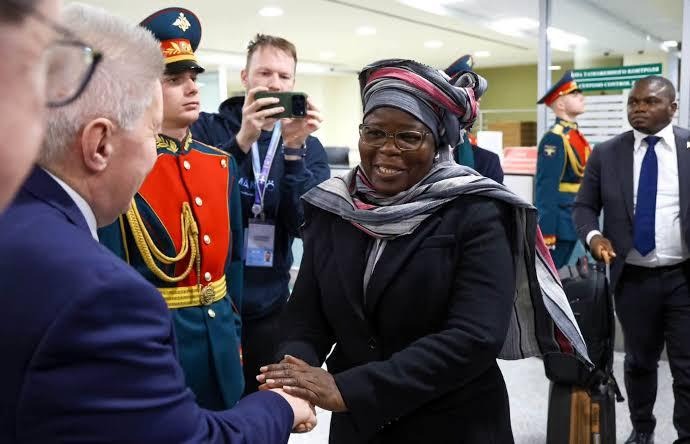
Benin’s Moscow economic push: new deals and strategic shifts in 2026 summit
Moscow Summit 2026: Benin’s bold economic diplomacy takes center stage
The Vice President of Benin, Mariam Chabi Talata, delivered a clear message at the third Russia-Africa Summit in Moscow on October 28-29, 2026: economic cooperation must drive tangible development for local communities. Her delegation’s mission was straightforward—secure partnerships that fuel growth without compromising national sovereignty.
From historic roots to modern alliances in Benin-Russia relations
Benin’s diplomatic ties with Russia trace back to 1962, when the newly independent Republic of Dahomey established official relations with Moscow. Over the decades, cooperation deepened, particularly during the 1970s and 1980s under the People’s Republic of Benin, when thousands of Beninese students and professionals trained in Soviet universities. This foundation of trust and shared expertise set the stage for today’s strategic economic discussions.
At the Kremlin summit, Chabi Talata engaged directly with Russian leadership, reinforcing Benin’s commitment to evolving these historic bonds into modern, mutually beneficial partnerships that align with current economic realities.
Structuring the next decade of Benin-Russia economic cooperation
This year’s summit in Moscow followed earlier editions in Sochi (2019) and Saint Petersburg (2023). Delegates reviewed progress from the 2023-2026 Russia-Africa action plan and mapped out priorities for 2027-2029. Benin’s focus was on securing equitable, high-value collaborations—rejecting one-sided exchanges in favor of investments that catalyze local job creation and industrial growth.
Key areas of priority for Cotonou
- Agricultural modernization: Partnerships to boost food security and processing capacity for Benin’s export markets.
- Infrastructure development: Russian support for roads, ports, and energy projects to reduce trade barriers.
- Technical and vocational training: Expanding access to modern skills aligned with industry needs.
Chabi Talata’s strategic vision for inclusive growth
During high-level forums and bilateral talks, the Vice President emphasized that African nations—including Benin—must anchor external partnerships in structural transformation. The goal is not just aid, but shared prosperity through trade, investment, and knowledge exchange.
With a new joint declaration and updated action plan expected to finalize the summit’s outcomes, Benin’s presence in Moscow signals a sustained commitment to open yet assertive diplomacy—one that champions national economic interests while fostering global alliances.
What’s next for Benin’s economic trajectory?
As global trade realigns, Benin is positioning itself at the forefront of Africa’s economic diplomacy with Russia. The Moscow summit was more than a diplomatic formality—it was a strategic move to convert decades of partnership into a catalyst for sustainable development at home.
