Benin’s €30m Cotonou-Niamey bet: from applause to accountability
Benin’s push to turn the Cotonou-Niamey road into a dependable logistics artery is entering a new phase: the applause is fading, and the hard questions are starting. With roughly €30 million committed by the European Union and Belgium’s development agency Enabel, the focus is shifting from ribbon-cutting to whether the corridor can survive political pressure, customs friction, and the daily demands of traders who depend on it.
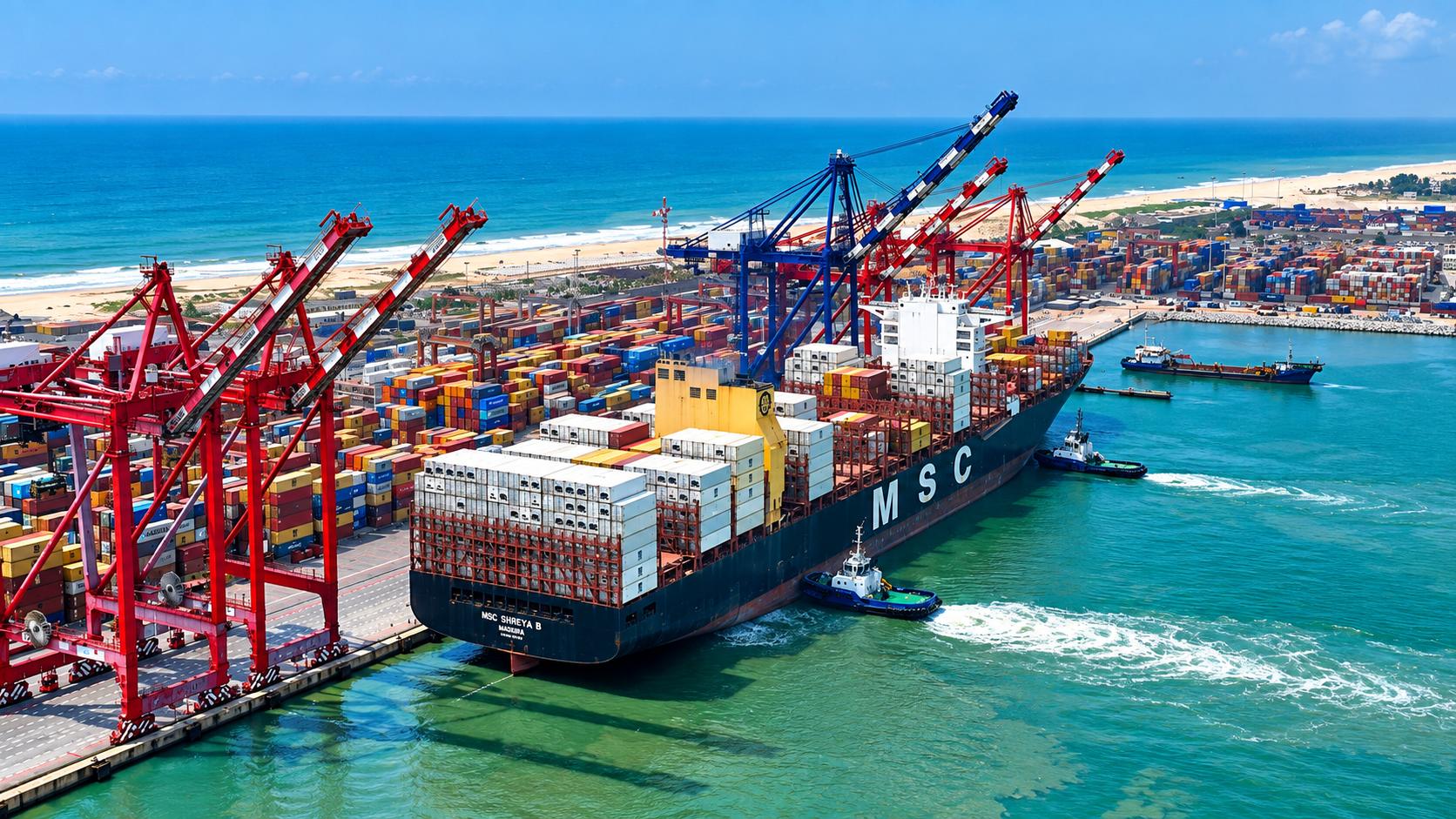
At the heart of the debate is a simple geography. Benin sits on the Gulf of Guinea with a natural maritime gateway for Niger, a landlocked country whose supplies rely on neighbouring ports. It also borders Nigeria, whose economic weight constantly strains local logistics capacity. Cotonou is betting that by modernising roads, border posts, and customs systems, it can lock in a role as West Africa’s go-to transit hub. The outlook is ambitious — and increasingly scrutinised.
Why the Cotonou-Niamey corridor is drawing fresh scrutiny
The plan is not short of support. Two linked programmes, Cotoni and Proport, are backed by the European Union and Enabel, with a combined budget of about €30 million. But as implementation begins, the conversation has moved beyond funding pledges. Transporters, traders, and border communities want to know what changes on the ground — and how quickly.
The pressure is especially acute because the corridor is more than a road. It is a lifeline for Niger’s imports and a strategic link for Benin’s own ambition to become a regional interconnector. Any delay, blockage, or customs bottleneck ripples through supply chains, affecting prices and predictability for businesses far beyond Cotonou’s port.
The €30m Cotoni project: four pillars, one 729 km test
Launched last May for four years, the Cotoni project — short for the Cotonou-Niamey corridor development support programme — is the backbone of the strategy. Its mission is to modernise, secure, and smooth traffic on the 729 km route linking the Autonomous Port of Cotonou to Niger’s capital. The project rests on four operational pillars:
- Stronger governance: keeping investments alive and funding regular road maintenance so the corridor does not decay after the first wave of upgrades.
- Corridor safety and security: protecting hauliers and removing unnecessary blockages that raise costs and slow deliveries.
- Trade facilitation: connecting logistics networks more tightly to local value chains, especially in agriculture.
- Customs performance: improving coordination at the border through a better joint border post.
Those pillars are meant to answer years of complaints about dysfunction and delays. If they work, the corridor could become a model for cross-border trade in West Africa. If they stall, the fallout will be felt by every operator who has been promised a faster, safer route.
What changes for traders, drivers, and border towns
The road does not stop at Niger’s border. It extends toward crossing points into Nigeria, with the long-term goal of giving transport professionals a reliable, fast, and secure cross-border corridor. The project also complements efforts to renew Benin’s truck fleet and connects with the future Abidjan-Lagos highway, which is expected to open partially in 2030.
For now, the verdict is still forming. Customs restructuring is designed to end the disruptions and delays seen in recent years, restoring the fluidity that inter-state trade needs. That is the promise. The debate is whether institutions, border agencies, and maintenance budgets can keep pace with the corridor’s growing role.
Cotonou’s next stage: TLC fair and the road to 2030
The sector’s next checkpoint will be in Cotonou from 12 to 14 November, when the Transport Logistique Cotonou (TLC) fair returns to the Palais des Congrès. Organised with the Autonomous Port of Cotonou and ACAM, the event expects more than 2,000 economic actors from across the sub-region.
Over three days, decision-makers will debate the future of African freight. Open days will also let visitors see the port’s inner workings, from berthing quays to maritime access points. It is a showcase for a country that wants to be West Africa’s logistics engine — but also a moment when the outlook will be measured against delivery, not just ambition.
