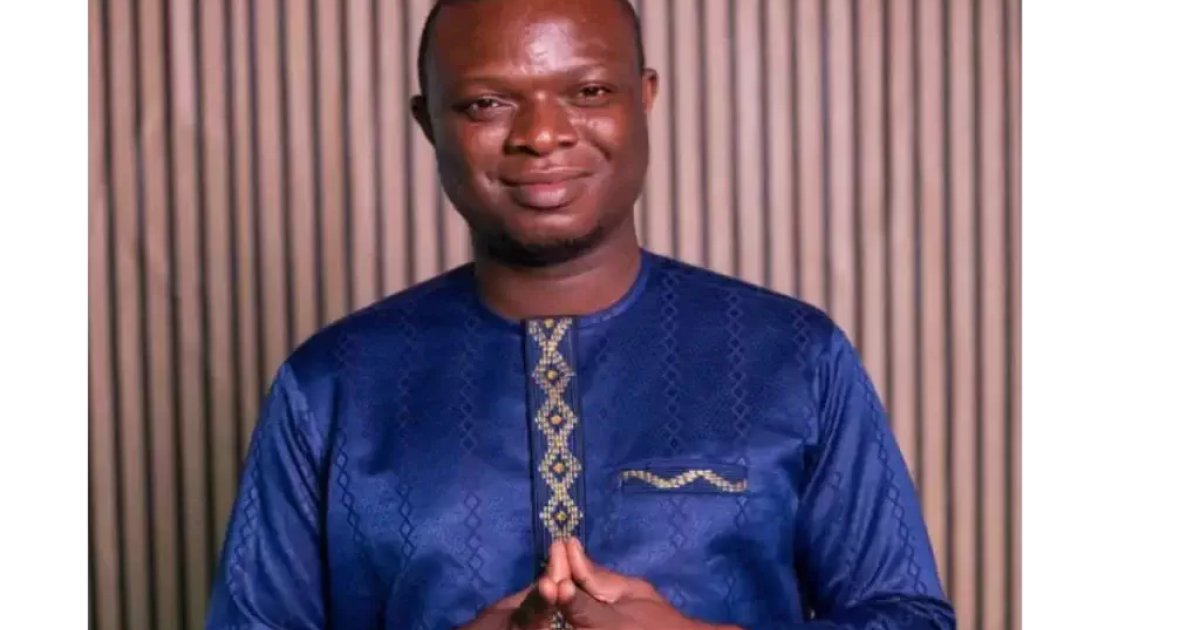
Benin Valentin Djenontin hails Julien Kandé Kansou’s release and urges national unity
Bénin: Valentin Djenontin celebrates Julien Kandé Kansou’s freedom and calls for national healing
In a significant move for Bénin’s political landscape, the presidential pardon granted to Julien Kandé Kansou on August 1, 2026, has sparked a wave of optimism among national leaders. The decision, issued by President Romuald Wadagni, marks a pivotal moment in the country’s ongoing efforts to foster reconciliation and unity.
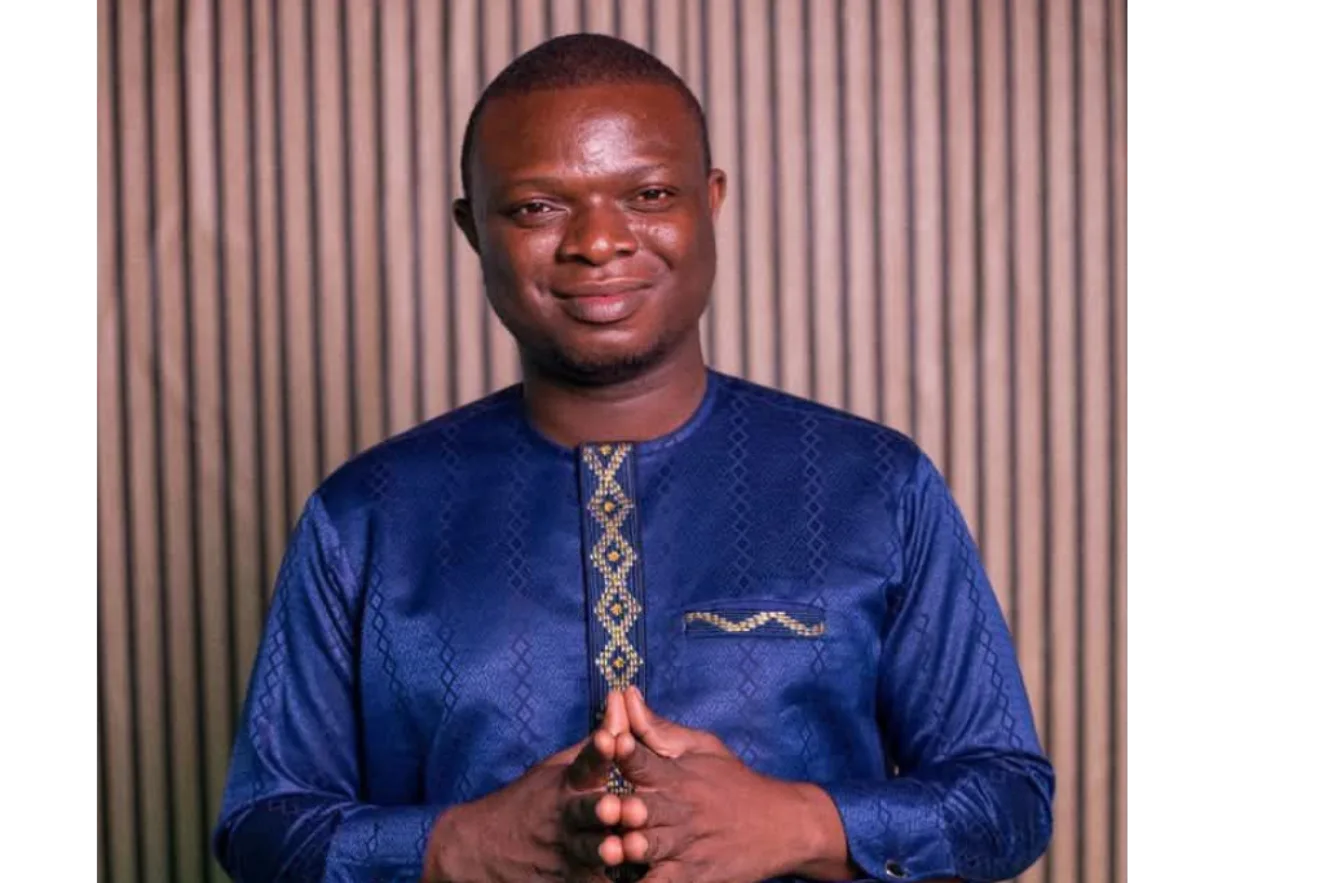
Djenontin’s statement underscores the power of clemency
Former Minister Valentin Djenontin-Agossou, a close associate of the newly freed individual, publicly welcomed the presidential act, describing it as a crucial gesture of goodwill that could help ease political tensions. Speaking on August 2, he emphasized the importance of recognizing even small steps toward national harmony, even as he maintained his stance on the circumstances surrounding Kandé Kansou’s initial detention.
Djenontin-Agossou praised President Wadagni and his administration for demonstrating leadership rooted in humanity, framing the release as not just a personal victory for the individual but a collective stride toward lasting peace. His words reflect a broader sentiment among observers who see this as an opportunity to bridge divides in Bénin’s political discourse.
A call for broader reconciliation efforts
The former government official seized the moment to issue a stronger appeal: he urged the president to build on this act of clemency by initiating a systematic process of national reconciliation. Djenontin-Agossou specifically called for the consideration of additional releases, including those detained under politically contentious circumstances, whom he referred to as political prisoners.
His message was clear: Bénin must prioritize sincere dialogue, forgiveness, and unity over prolonged divisions. By fostering an environment where grievances can be addressed through peaceful means, the nation can move forward with strengthened cohesion and shared purpose.
Looking ahead: what’s next for Bénin?
The release of Julien Kandé Kansou serves as a catalyst for broader conversations about justice, political freedoms, and national identity in Bénin. As the country reflects on this development, stakeholders across the political spectrum will be watching closely to see whether this moment can translate into meaningful, long-term reconciliation.
For many, the path forward hinges on the government’s willingness to engage in transparent, inclusive discussions—ones that address the root causes of past conflicts while laying the groundwork for a united future.
