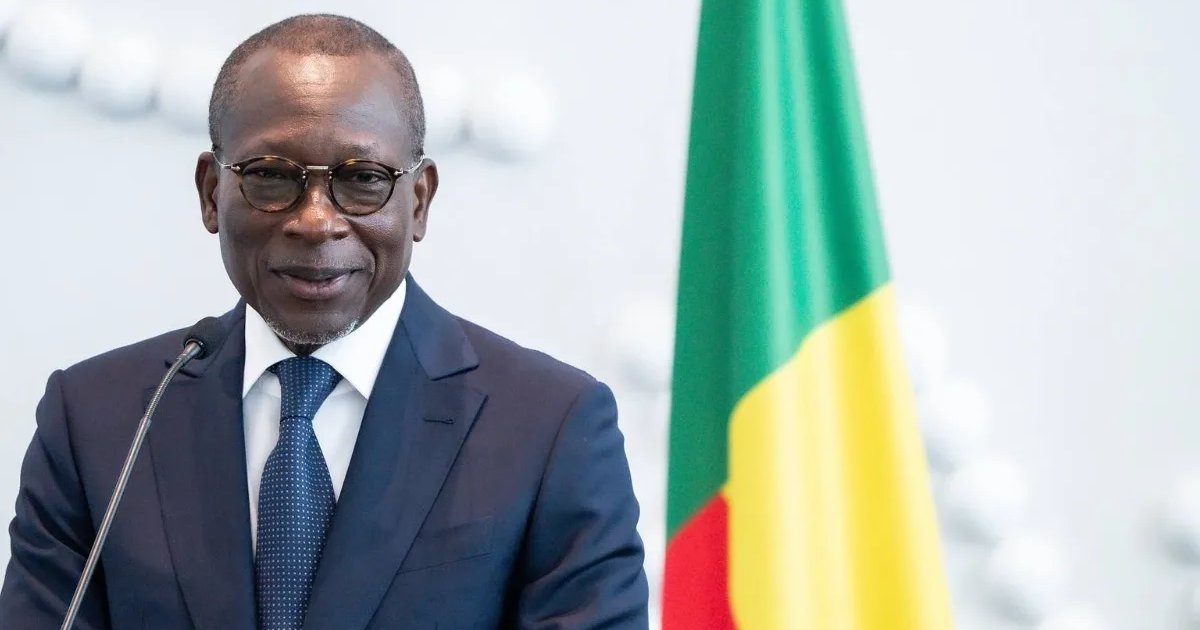
Bénin senate unveils first leadership team with Patrice Talon at the helm
Bénin senate unveils first leadership team with Patrice Talon at the helm
The Bénin Senate has officially inaugurated its first Bureau, marking a significant milestone in the establishment of this constitutional institution. During a plenary session held Thursday, August 6, 2026, in Porto-Novo, senators elected the key figures responsible for steering the upper house of Parliament.
Patrice Talon elected as Senate President
In a decisive vote, outgoing President Patrice Talon has been elected to lead the Bénin Senate. His responsibilities will include overseeing legislative proceedings and ensuring the smooth operation of the chamber. As President of the Senate, he becomes a key figure in the country’s parliamentary democracy, facilitating dialogue between the executive and legislative branches.
Louis Vlavonou named Vice-President
Louis Vlavonou has been appointed Vice-President of the Senate, a position that places him second in command. He will support Patrice Talon in his duties and step in as acting President whenever necessary, ensuring continuity in leadership.
Alassane Séidou and Adidjatou Mathys appointed to key roles
The Senate’s Bureau also includes two critical roles: Alassane Séidou as Reporter, responsible for documenting and presenting legislative proposals, and Adidjatou Mathys as Deputy Reporter, who will assist in these duties and step in when required.
Senate Bureau composition
The newly formed Bureau of the Bénin Senate comprises the following leadership:
- President: Patrice Talon
- Vice-President: Louis Vlavonou
- Reporter: Alassane Séidou
- Deputy Reporter: Adidjatou Mathys
This leadership team will be responsible for organizing and overseeing the Senate’s activities, ensuring that it fulfills its constitutional mandate effectively. With the Bureau now in place, the Senate can proceed with its legislative functions without delay.
Institutional significance
The establishment of the Senate’s first Bureau represents a major step forward in strengthening Bénin’s democratic institutions. The Senate, as the upper house of Parliament, plays a vital role in reviewing and adopting laws, as well as representing the interests of the nation’s regions. With this leadership team now operational, the institution is poised to play an active and constructive role in the country’s governance.
