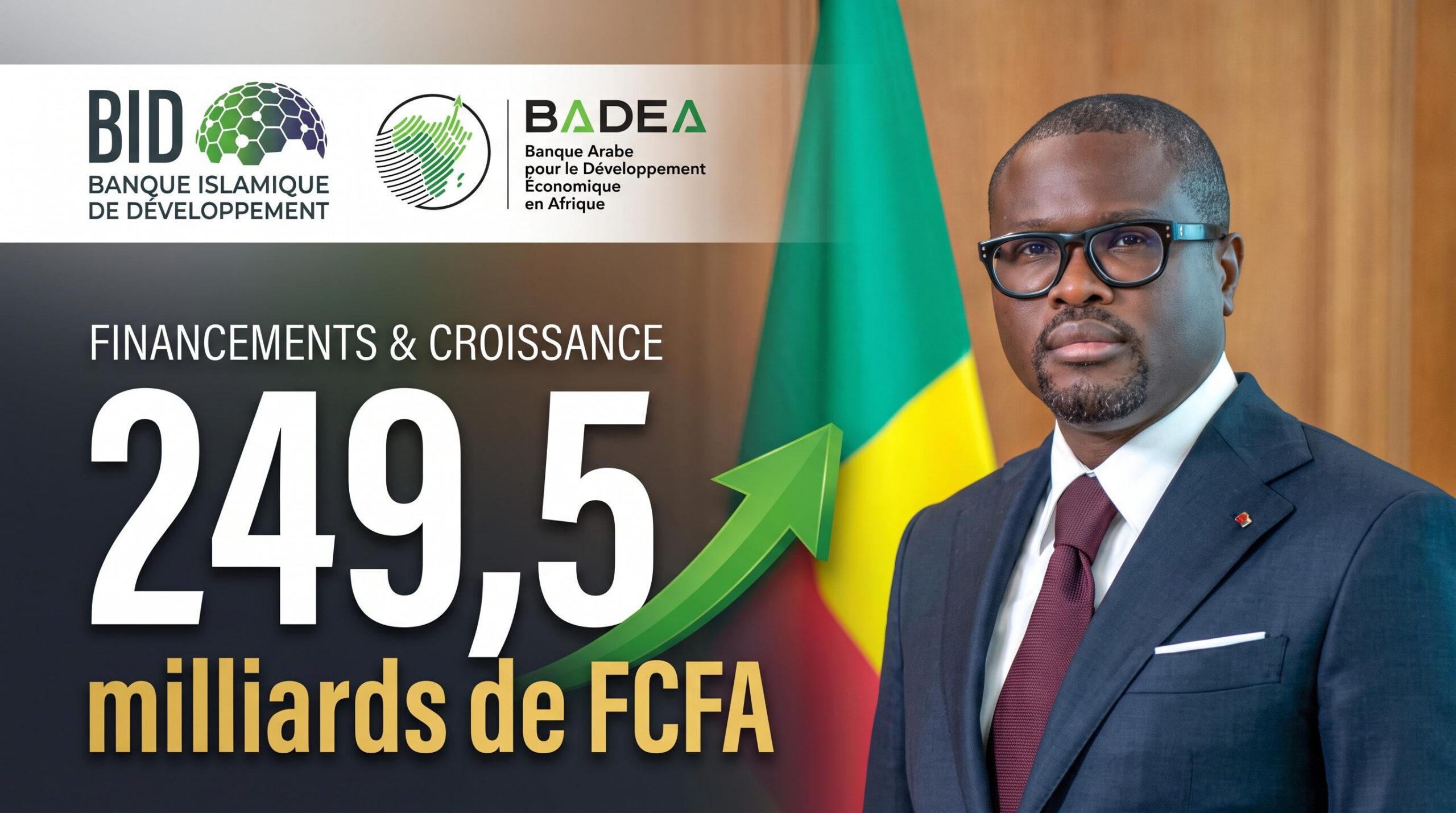
Benin secures $455 million financing deal to power infrastructure and economic growth
Benin has finalized three financing agreements totaling 249.5 billion FCFA ($455 million) during the 2026 IMF and World Bank Annual Meetings in Bangkok. The deals, signed with the Islamic Development Bank (IsDB) and the Arab Bank for Economic Development in Africa (BADEA), underscore the country’s growing financial credibility and strategic approach to funding critical infrastructure while maintaining debt sustainability.
Strategic financing secured despite global economic headwinds
The agreements, inked on October 12-13, 2026, reflect Benin’s ability to diversify funding sources beyond traditional Western partners. By securing financing from Arab development institutions, the country reduces reliance on a single bloc of creditors and gains access to competitive terms, including longer repayment periods and lower interest rates for priority projects.
The total financing package is earmarked for infrastructure development, including roads, energy, and public utilities. This allocation aligns with Benin’s broader economic strategy to bridge critical gaps in its infrastructure while ensuring that new debt remains manageable and productive.
Key projects under this financing will target:
- Construction and rehabilitation of national and regional highways
- Expansion of renewable energy capacity, particularly solar and hydroelectric projects
- Upgrades to water supply and sanitation systems in urban and rural areas
- Modernization of public transportation networks in major cities
Debt management at the heart of the strategy
The financing package highlights Benin’s evolving approach to debt management. While the country continues to leverage external borrowing for growth, recent reforms have prioritized transparency, fiscal discipline, and debt sustainability. According to the IMF’s April 2026 report, Benin has made significant strides in reducing its budget deficit from 7.2% of GDP in 2021 to 3.1% in 2024. Additionally, the country has managed to decrease its public debt between 2023 and 2024, even after adjusting for statistical revisions that included previously unaccounted liabilities.
The IMF’s analysis also commended Benin’s improved revenue mobilization and proactive debt management. These efforts have bolstered investor confidence and laid the groundwork for more favorable borrowing terms. The country’s commitment to fiscal consolidation and economic reform has been a key factor in attracting funding from international partners like IsDB and BADEA.
A balancing act: growth versus fiscal responsibility
The 249.5 billion FCFA financing represents more than just a financial injection—it is a test of Benin’s ability to balance growth ambitions with fiscal prudence. The challenge lies not only in securing funds but in ensuring they translate into tangible benefits for citizens and businesses.
Experts emphasize that the success of this financing package will depend on several factors:
- Project selection: Funds must be directed toward high-impact infrastructure that addresses pressing economic and social needs.
- Implementation efficiency: Timely execution and strict adherence to budgets are critical to avoid cost overruns and delays.
- Transparency and accountability: Regular audits, public reporting, and independent evaluations will help maintain trust and ensure funds are used as intended.
- Debt sustainability: The government must ensure that new liabilities do not outpace economic growth or crowd out essential public services.
What this means for Beninese citizens and businesses
The potential benefits of this financing are far-reaching. Improved infrastructure could lower transport costs for farmers and traders, connecting rural areas to urban markets and boosting agricultural productivity. Enhanced energy access could power small businesses and reduce household electricity expenses. Upgraded water and sanitation systems would improve public health and quality of life.
For the private sector, better infrastructure can unlock new investment opportunities and reduce operational barriers. For example, reliable electricity supply could attract manufacturing plants, while well-maintained roads could facilitate smoother supply chains and trade flows. These developments are expected to create jobs, stimulate entrepreneurship, and contribute to long-term economic diversification.
Lessons from past successes and challenges
Benin’s recent financial achievements build on years of reform. The IMF noted in its 2026 report that the country’s fiscal consolidation efforts have reduced macroeconomic imbalances and improved debt management. However, the road ahead requires continued vigilance. The government must resist the temptation to over-leverage for short-term gains and instead focus on investments that yield sustainable returns.
The financing from IsDB and BADEA is a vote of confidence in Benin’s economic trajectory. But the true measure of success will be seen in the years to come, as projects are completed and their impact on daily life becomes apparent. If executed well, this financing could serve as a model for other African nations seeking to fund development without compromising financial stability.
Conclusion: A model for responsible growth financing
Benin’s latest financing agreements send a strong signal to investors and development partners. By strategically leveraging debt to fund critical infrastructure while maintaining fiscal discipline, the country is carving out a path to inclusive growth. The challenge now is to turn these funds into lasting benefits for all citizens, ensuring that every franc spent contributes to a stronger, more resilient economy.
