
Bénin parliament session: key bills under review this friday
This Friday, the 10th legislature of the Bénin National Assembly convenes for a pivotal plenary session at the Palais des Gouverneurs in Porto-Novo. Lawmakers are set to deliberate on critical legislative texts that will shape the nation’s institutional framework, public financing priorities, and electoral governance.
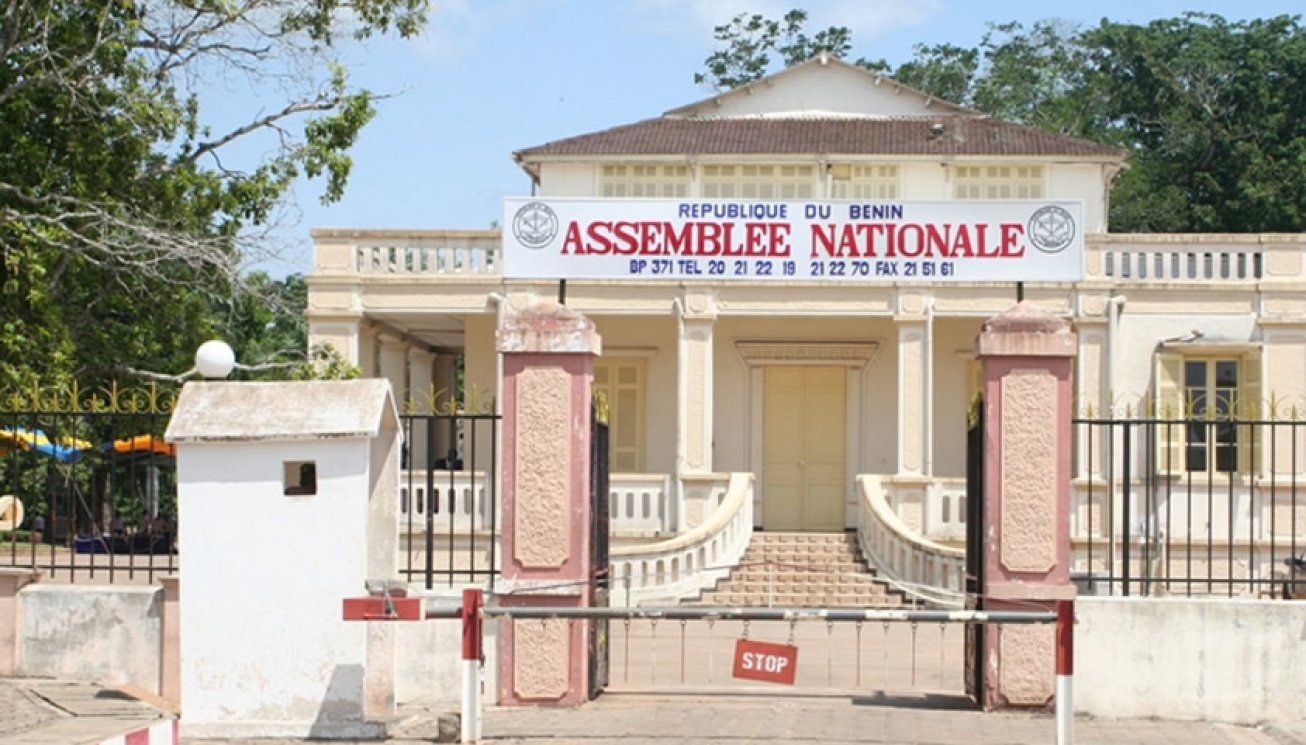
Legislative reforms take center stage
The day’s agenda features several high-stakes bills, including revisions to the Loi n°2024-12 governing the establishment of national orders in Bénin. Additionally, parliamentarians will assess a bill proposing amendments to the organic law of the Economic and Social Council—a body whose statutes were last adjusted in March 2026. These discussions aim to refine governance structures and ensure alignment with evolving national priorities.
Economic and cultural initiatives in focus
A key economic dossier involves the ratification of a credit agreement signed on June 24, 2025, between the Bénin government and the French Development Agency (AFD). The allocated funds will underpin the construction of the Cotonou Museum of Contemporary Art, a landmark project poised to bolster the nation’s cultural infrastructure.
Electoral reforms dominate parliamentary debate
The most consequential item on the agenda is the proposed repeal of Title II of Book I in the 2024 Electoral Code. This legislative move has sparked intense discussions among lawmakers, with many questioning its potential impact on the Independent National Electoral Commission (CENI) and the integrity of future elections. The outcome of this vote could redefine the electoral landscape in Bénin.
Why these reforms matter
- Governance clarity: Revisions to national orders and council statutes aim to streamline institutional functions.
- Cultural development: The AFD-funded museum project reflects Bénin’s commitment to preserving heritage and fostering artistic expression.
- Electoral integrity: Changes to the Electoral Code could reshape how elections are administered, a topic of keen public interest.
