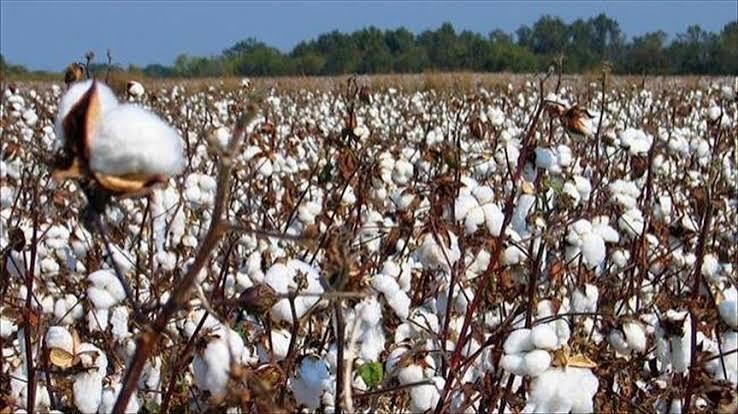
Benin launches targeted cotton intensification pilot for 2026 production boost
As Benin gears up for the 2026-2027 cotton farming season, the government is rolling out a groundbreaking pilot program designed to significantly enhance yields among local producers. The initiative, set to launch during the 2026 short rainy season, will test innovative farming support and monitoring methods in key agricultural regions.
The pilot program targets three strategic agricultural zones
The intensification effort will be implemented in the regions covered by Agricultural Development Agency poles 2, 3, and 4. Rather than relying on broad recommendations, the program focuses on direct, field-level support for farmers to maximize output per hectare through improved cultivation techniques and precise input management.
Field advisors to guide farmers through modern practices
Specialized agricultural consultants will work side-by-side with producers to implement cutting-edge farming methods. Their role extends beyond mere advice to include hands-on guidance in adopting contemporary agricultural practices and optimizing farm operations. The goal is twofold: to enhance technical efficiency and to streamline the entire farming process.
Technical improvements at the heart of the strategy
The intensification program centers on refining technical itineraries, which encompass all stages of cotton cultivation from planting to harvesting. Enhanced input management forms another critical component, ensuring that resources are allocated and utilized with maximum precision to boost productivity.
Digital tracking system to enhance transparency and efficiency
A dedicated digital platform will play a pivotal role in monitoring the entire cotton production cycle. This tool will enable precise geolocation of farm plots, real-time tracking of input distribution, and comprehensive data collection from planting through to final ginning. The system’s capabilities include:
- Mapping and identifying participating farmers’ fields
- Monitoring input usage from distribution to application
- Tracking cotton bales through weighing and processing stages
- Providing actionable data to optimize future production cycles
Testing before nationwide rollout
The pilot program, officially endorsed by the Council of Ministers on September 2, 2026, represents the first phase of a potentially transformative agricultural initiative. Success in these three agricultural zones could pave the way for nationwide expansion across other key production basins. The government has prioritized swift operational implementation, with results from this trial crucial in determining the program’s scalability.
Aligning with Benin’s long-term agricultural vision
This cotton intensification initiative is firmly embedded within Benin’s broader “Green Benin 2033” strategy, which emphasizes sustainable agriculture and climate resilience. The program aims not only to increase yields but also to enhance crop value addition and implement social protection mechanisms for farming households. Improved post-harvest logistics and stronger connections between producers, transporters, and ginning facilities form core components of the strategy.
Coordinated effort for sustainable production growth
The program’s success hinges on seamless collaboration among all stakeholders in the cotton value chain. Authorities are particularly focused on optimizing the logistics pipeline to ensure smooth cotton transport from farms to processing facilities. This coordinated approach combines personalized agricultural guidance, advanced digital monitoring, and streamlined supply chains to create a sustainable model for cotton production growth.
What’s at stake for Benin’s cotton sector
The outcomes of this 2026 pilot program will determine whether Benin can achieve its ambitious production targets. If successful, the tested model could revolutionize the country’s cotton sector, setting new standards for productivity, sustainability, and farmer prosperity in West Africa.
