Benin and UAE strike zero-tariff deal: what 3,000 product exemptions mean for West Africa
Landmark trade pact eliminates duties on Beninese goods
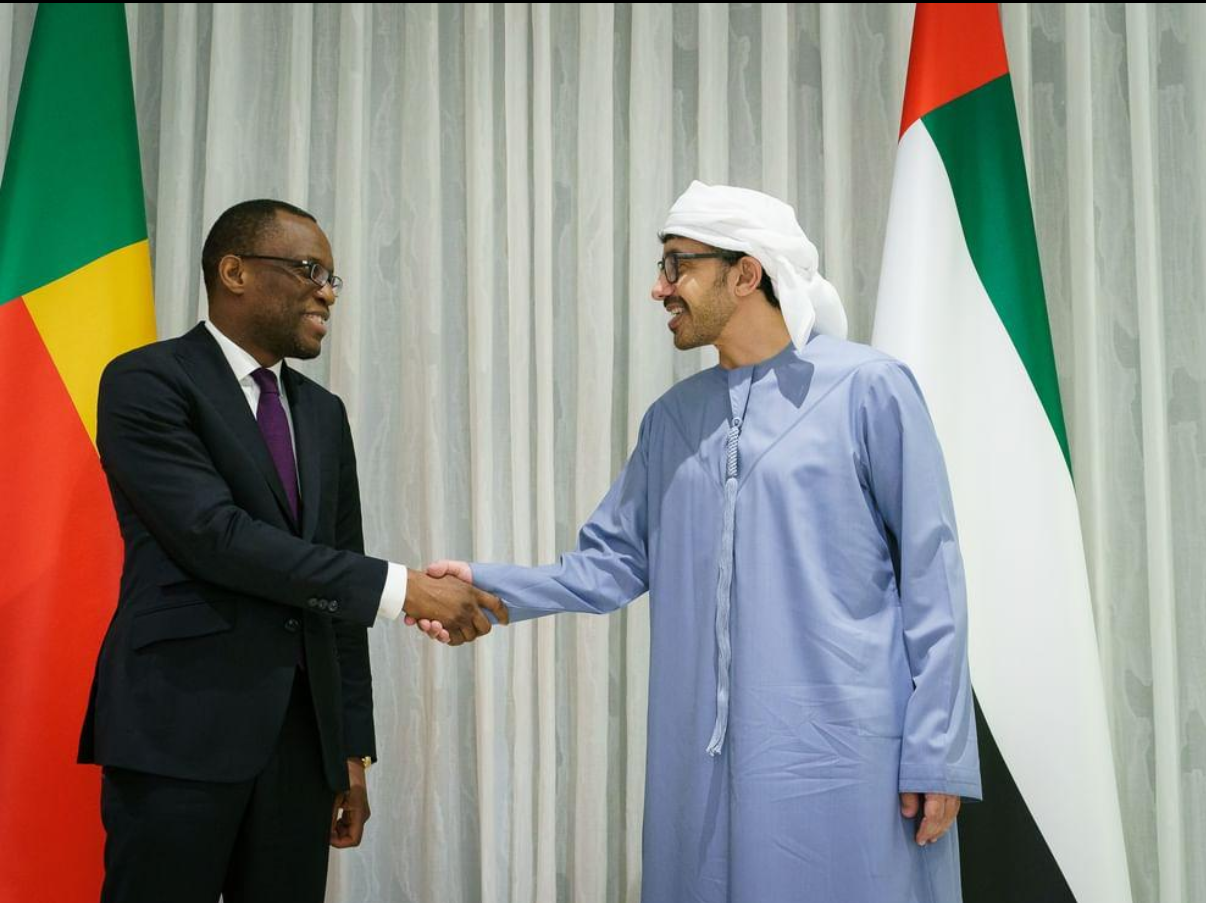
The economic landscape of Benin is set for a major transformation following the signing of a comprehensive partnership agreement with the United Arab Emirates. On October 25, 2026, President Romuald Wadagni and UAE leader Sheikh Mohamed bin Zayed Al Nahyan formalized a historic deal that will slash tariffs on over 3,000 Beninese products entering the Emirates market.
Exporters gain critical market access
The agreement represents Benin’s most ambitious trade initiative in decades. By waiving customs duties on a broad range of goods, the partnership aims to remove financial barriers that have historically constrained Beninese exports. Cotton, cashews, soybeans, shea butter and processed foods emerge as key beneficiaries of this preferential treatment.
The removal of tariff costs could significantly reduce the landed price of Beninese goods in UAE markets, making them more competitive against international rivals. This price advantage may encourage local producers to scale up operations, invest in quality improvements and pursue more lucrative export channels.
From raw materials to finished goods
Beyond immediate export gains, the initiative creates an unprecedented opportunity for Benin to shift from commodity exports to higher-value processed products. The transformation of agricultural raw materials into finished goods could capture greater margins, retain more value locally and diversify the country’s economic profile.
Industry analysts suggest that companies investing in processing infrastructure could see 20–30% higher returns on exported goods compared to traditional commodity sales.
Local industries poised for growth
The trade deal’s ripple effects extend across Benin’s industrial ecosystem. Smallholder farmers, agro-processors, packaging manufacturers and logistics providers stand to benefit from increased demand for Beninese products in the UAE.
- Farmers may expand cultivated areas and adopt modern techniques to meet higher export quotas
- SMEs in food processing and packaging could secure new contracts with international buyers
- Transport and logistics firms may see expanded freight routes between Cotonou and Dubai
- Women-led cooperatives, heavily involved in shea butter and cashew processing, could gain access to premium regional markets
Job creation targets youth and rural workers
Economic modeling suggests the deal could generate between 12,000 and 18,000 new jobs across Benin within five years. The most significant opportunities are expected in:
- Agricultural processing zones near major production hubs
- Warehousing and cold storage facilities along transport corridors
- Light manufacturing units for food packaging and labeling
- Export support services including quality certification and logistics
Young job seekers, particularly in northern Benin where unemployment remains high, could find new opportunities in skilled and semi-skilled roles across these sectors.
Household income set for gradual improvement
Indirect benefits may flow to Beninese households through multiple channels. As export earnings rise:
- Agricultural cooperatives may distribute higher profits to member farmers
- Small business owners could see increased local demand from expanding export supply chains
- Entrepreneurs might launch new ventures in related services like agro-tourism and export consultancy
These income gains, however, depend on effective implementation. Policymakers must ensure that tariff savings reach producers rather than being absorbed by intermediaries.
Historical trade growth fuels optimism
Official trade data reveals the strong momentum behind this partnership. Bilateral non-oil trade reached $2.15 billion in 2025, up 65% from 2024. First-half 2026 figures show $1.29 billion in trade, representing a 37.4% year-over-year increase.
UAE authorities project Beninese exports to the Emirates could exceed $100 million annually by 2033. While not a binding commitment, this forecast reflects the transformative potential of the zero-tariff initiative.
Beyond merchandise: investments in energy and infrastructure
The partnership extends beyond goods to include services and investment opportunities. Priority sectors include:
- Renewable energy projects to power processing facilities
- Port and logistics upgrades to streamline export operations
- Skill development programs to improve workforce competitiveness
- Technology transfer initiatives in food processing and packaging
These investments could modernize Benin’s industrial base and create a more dynamic business environment.
Implementation challenges require coordinated response
While the agreement offers substantial promise, several hurdles must be cleared for success:
- Quality standards: Meeting UAE’s strict sanitary and technical regulations
- Supply consistency: Maintaining year-round production to fulfill orders
- Financing gaps: Access to working capital for SMEs to scale operations
- Transport costs: Reducing logistics expenses to maintain price competitiveness
Government agencies and private sector leaders must collaborate to address these challenges through targeted support programs.
Looking ahead: from agreement to economic transformation
The UAE trade deal marks a pivotal moment for Benin’s economic development. Success will hinge on turning tariff exemptions into sustainable business growth, job creation and household prosperity.
The coming months will reveal whether Beninese enterprises can capitalize on this historic market opening. If they succeed, the agreement could serve as a model for other West African nations seeking to diversify their export portfolios and integrate more deeply into global value chains.
