Bénin and Nigeria unite to bolster west african security against terrorism
Strengthened military ties emerge as regional terror threat grows
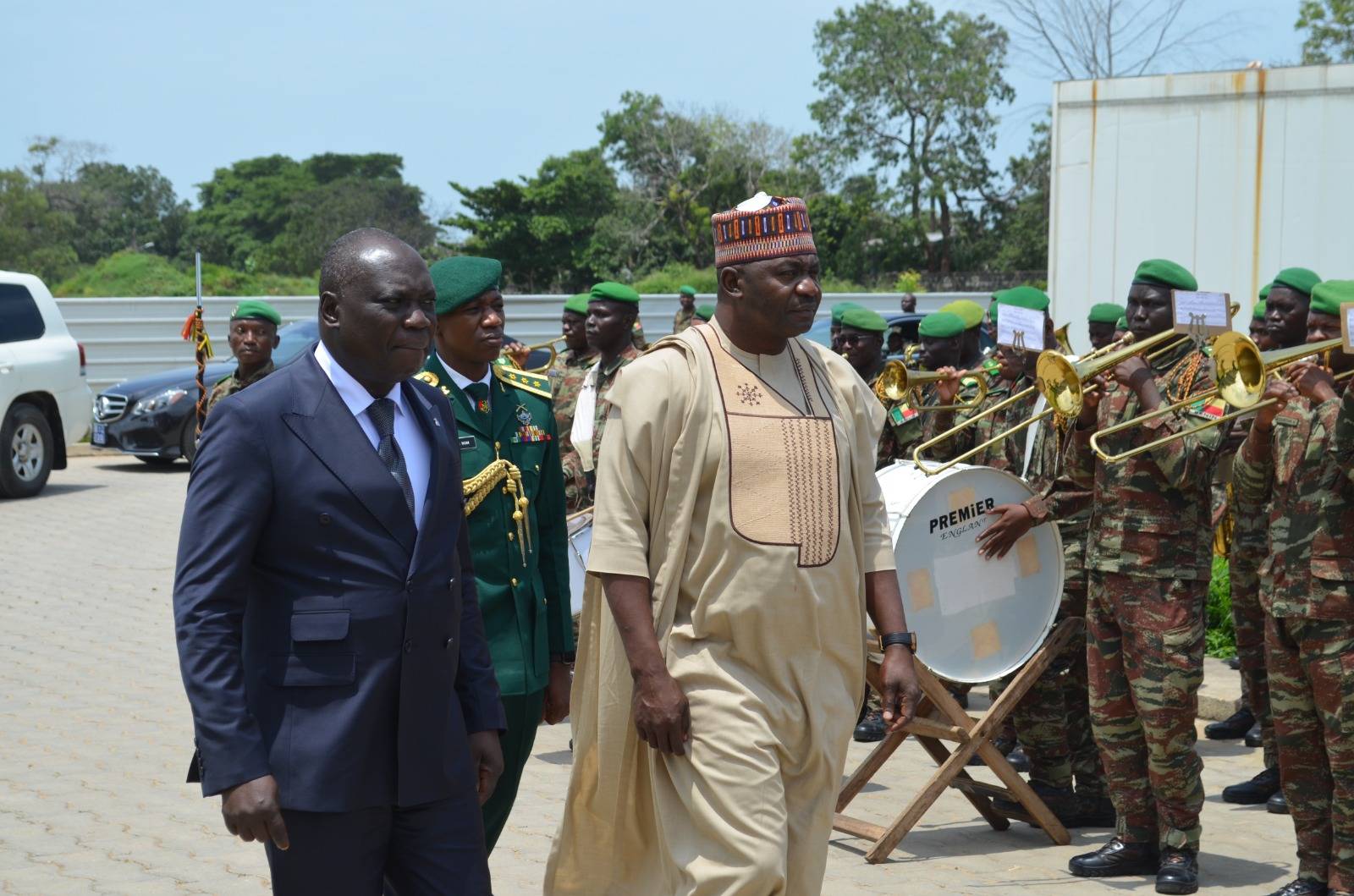
As violent armed groups expand their reach across West Africa, Bénin and Nigeria are deepening their defense collaboration. On August 4, 2026, a high-level Nigerian military delegation led by Defense Minister General Christopher Gwabin Musa arrived in Cotonou for strategic talks with his Béninois counterpart, Gildas Agonkan. This meeting marks a pivotal step toward a more cohesive and actionable regional security framework.
A visit underscored by urgency and shared resolve
The Nigerian delegation’s visit to Cotonou was more than a diplomatic gesture—it reflected a shared recognition of the escalating danger posed by transnational extremist networks. General Musa’s presence in Bénin, a key security partner, signals the seriousness with which both nations view the need for coordinated action.
Before formal discussions at the Ministry of Defense, the Nigerian officials visited Togbin military barracks, where they met with troops deployed for Bénin’s independence anniversary. This symbolic stop highlighted the deep historical, cultural, and strategic ties binding the two countries—ties that now extend into joint efforts against terrorism.
Cross-border extremism: the invisible enemy threatening coastal stability
The security landscape of the Sahel and Gulf of Guinea has deteriorated sharply. Militant factions linked to Al-Qaïda and the so-called Islamic State have pushed southward, encroaching on coastal states. Northern Bénin, bordering Burkina Faso and Niger, faces persistent infiltration attempts, while Nigeria continues to battle Boko Haram, ISWAP, and armed banditry in multiple regions.
In the face of this multifaceted threat, both defense leaders agree: isolated national responses are no longer viable. As General Musa emphasized, the primary goal of the meeting was to design practical, scalable mechanisms for enhancing counterterrorism cooperation.
He stressed that porous borders remain the terrorists’ greatest advantage. To dismantle their networks, the response must be region-wide—spanning Bénin, Nigeria, Niger, Burkina Faso, and Mali. Despite political and diplomatic frictions in the subregion, the urgency of the threat demands uninterrupted communication and coordination among all Sahel and Gulf of Guinea military forces.
Merging strengths: the power of South-South military cooperation
Speaking after the talks, Bénin’s Minister of State for National Defense, Gildas Agonkan, praised the initiative as a reflection of the strong political will of both heads of state to forge an unbreakable alliance.
“Our strategies must be merged so that together—with other West African nations—we can overcome this scourge that stifles our development,” Agonkan said.
For Bénin, this cooperation is rooted in a clear vision: pooling intelligence, capabilities, and operational efforts. The partnership includes continuous exchange of strategic intelligence to disrupt militant financing, joint border patrols in blind zones, and enhanced interoperability between forces. The goal is to maintain relentless cross-border pressure, denying terrorists safe haven on either side of the frontier. This collaboration proves that lasting solutions to African crises must originate from within the continent—and leverage the expertise of local armies.
Communities as the first line of defense
Beyond tactics and logistics, the Cotonou meeting underscored a critical truth: lasting security depends on citizen engagement. Terrorist groups often exploit feelings of abandonment and economic hardship in rural areas. A purely military response, without active community involvement, risks failure.
General Musa urged Béninois and Nigerian civilians to remain vigilant and report suspicious activity. He emphasized that without public trust and cooperation, vital intelligence fails to reach authorities. Community awareness, therefore, becomes the first shield against ideological and operational infiltration by armed groups.
A cornerstone for regional peace
The deepened security coordination between Bénin and Nigeria transcends bilateral relations—it is a cornerstone for preserving peace across West Africa. By securing their shared border and strengthening their alliance, Cotonou and Abuja send a powerful deterrent message to criminal networks.
Economic growth, trade integration, and public welfare are inextricably linked to territorial stability. By reaffirming their joint commitment in early August 2026, Bénin and Nigeria have taken a decisive step toward becoming bulwarks against violent extremism. The roadmap is clear: translate words into action on the ground to secure a peaceful future for the next generation.
