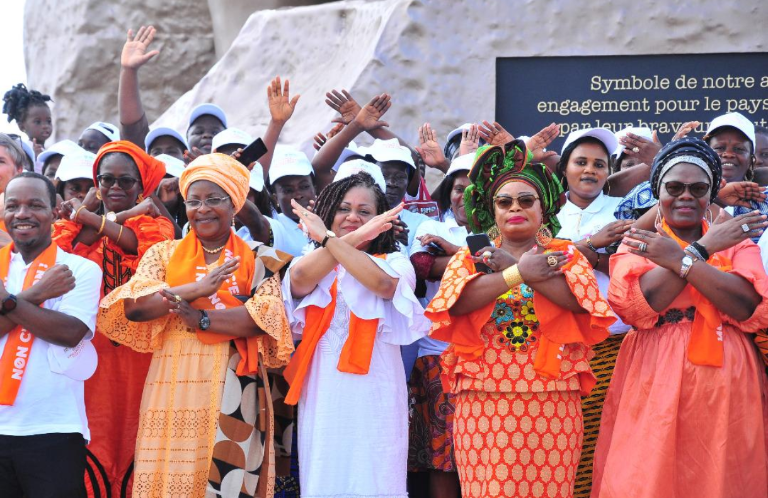
Benin advances ratification of AU convention to combat violence against women and girls
Benin has taken a decisive step in its fight against gender-based violence by moving to ratify the African Union Convention on the Elimination of Violence Against Women and Girls. The government submitted the convention to the National Assembly for approval on November 4, 2026, signaling a stronger commitment to strengthening legal frameworks and protecting women and girls across the country.
Government prioritizes women’s safety with continental convention
During a cabinet meeting chaired by Prime Minister Romuald Wadagni, officials approved the submission of the AU convention to parliament. This move aims to reinforce national mechanisms for preventing and addressing all forms of gender-based violence, including physical, sexual, psychological, economic, and digital abuse.
The decision reflects a broader shift in Benin’s approach to women’s rights, emphasizing prevention, victim protection, and accountability for perpetrators. As violence against women persists in homes, workplaces, and online spaces, the government seeks to align with continental standards while adapting to evolving social and technological challenges.
Key provisions of the AU convention
The African Union Convention, adopted in Addis Ababa in February 2025, is a binding legal instrument that requires member states to take comprehensive action against violence toward women and girls. Its scope extends beyond physical and sexual violence to include:
- Psychological and emotional abuse
- Economic violence (e.g., financial control, denial of resources)
- Digital violence (cyberstalking, online harassment, revenge porn)
- Threats and intimidation in any setting
A groundbreaking feature of the convention is its recognition of traditionally overlooked forms of violence. It challenges the notion that cultural practices or traditions can justify harm, asserting that human dignity must prevail over any social norm that perpetuates abuse.
Societal accountability and prevention
Beyond legal reforms, the convention calls for systemic changes in societal attitudes. It highlights the role of positive masculinity and the involvement of men and boys in dismantling discriminatory behaviors. Prevention efforts must extend beyond government agencies to include communities, educators, and families.
Véronique Tognifodé, Minister of Family and Social Action, emphasized the need for collective action. “Ratifying this convention is crucial, but lasting change requires more than institutional approval. We must invest in prevention, improve victim support systems, and challenge harmful norms in every corner of society,” she stated.
Next steps and long-term impact
Parliament’s approval will enable Benin to ratify the convention, but the true test lies in implementation. Success will depend on:
- Strengthening judicial and law enforcement responses
- Expanding shelters and psychological support for survivors
- Launching nationwide awareness campaigns
- Integrating gender-based violence education into school curricula
The timing of this decision aligns with the International Day for the Elimination of Violence Against Women on November 25, kicking off 16 days of activism against gender-based violence. As Benin advances this legal milestone, the government faces pressure to deliver measurable progress in protecting women and girls nationwide.
Breaking the cycle of violence
Prime Minister Wadagni’s government has positioned women’s rights at the forefront of public policy. However, translating political will into tangible outcomes remains the ultimate challenge. The convention’s ratification is not an endpoint but a foundation for building a future where every woman and girl can live free from violence, with dignity and security.
