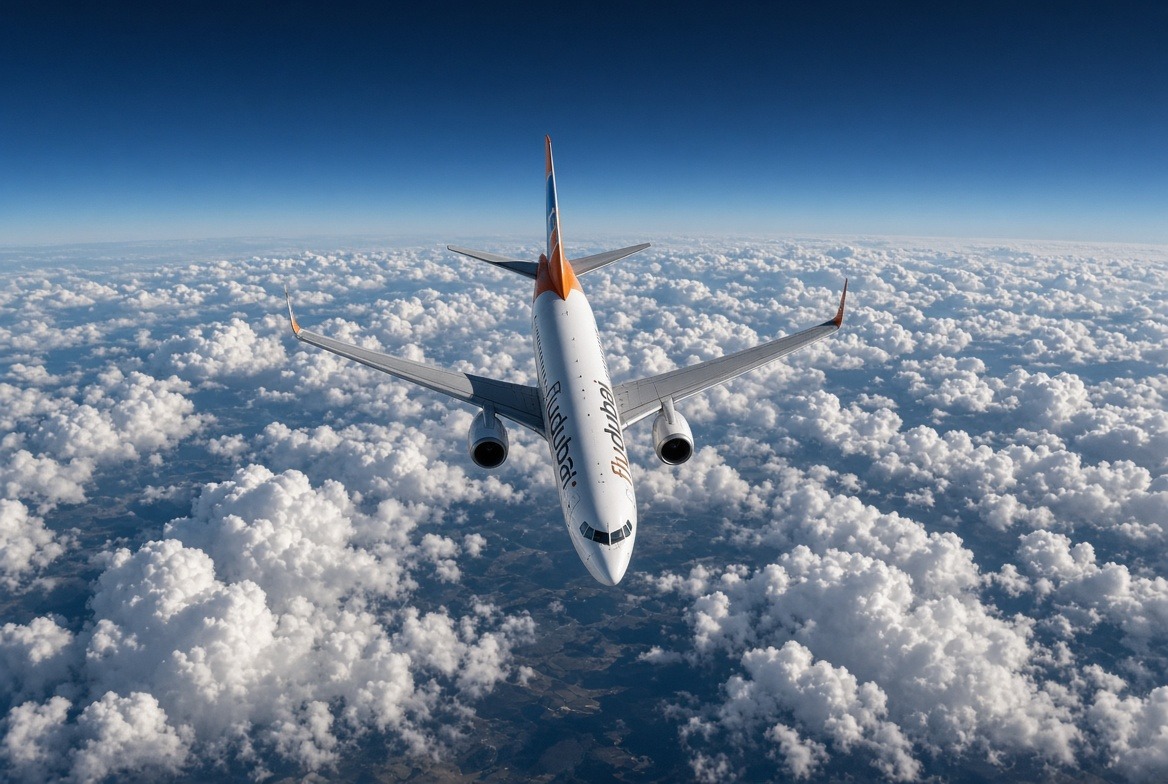
Behind the turbulence: dissecting the flydubai cockpit crisis that rattled global aviation
When a routine FlyDubai flight from Dubai to Tel Aviv descended into chaos mid-air, it wasn’t just passengers who were left shaken—it exposed critical vulnerabilities in how aviation crises escalate into international incidents. The sudden descent, emergency transmissions, and subsequent emergency landing in Saudi Arabia painted a picture of a flight spiraling out of control in minutes. But what truly unfolded inside the cockpit remains the most pressing question, fueling debates over aviation safety, pilot conflicts, and the fine line between accident and malice.
The chain reaction: from altitude loss to emergency codes
Mid-flight, the Boeing 737 MAX 8 oscillated violently, plummeting thousands of feet in seconds—a maneuver that triggered the aircraft’s emergency transponder codes. First, the universal distress signal (code 7700) alerted authorities to a general emergency. Then, just moments later, the rare code 7500 was transmitted, a signal reserved for unauthorized cockpit intrusions or hijackings.
On the ground, the implications were immediate. Israeli military jets scrambled, civilian airports braced for impact, and passengers in the cabin were left grappling with reports of screams and bloodshed. The chaos inside the cockpit had spilled beyond its doors—and into a region already simmering with geopolitical tension.
Pilot confrontation: fact or fiction?
The most explosive detail? Accounts suggesting a violent struggle between the two pilots, one of whom was allegedly stabbed. Several passengers claimed to have heard shouts and seen signs of physical altercation before forcing entry into the cockpit. While FlyDubai confirmed only a “serious incident,” no official motive has been disclosed.
Investigative leads point to conflicting narratives. Some officials hinted at a possible terror link, while others cautioned against premature conclusions. What’s undeniable is that for a terrifying window of time, no one outside the cockpit could be certain who was in control—or why.
The 9/11 comparison: why it misses the mark
Headlines clamoring for a “new 9/11” overlooked a crucial distinction: the absence of a coordinated plot or weaponization intent. Unlike the 2001 attacks, which relied on strategic hijacking and systemic failures, the FlyDubai incident appears rooted in a localized, uncontrolled crisis—one where fear, not forethought, dictated the outcome.
Passenger testimonials captured the raw terror of believing the plane would crash. Yet, reconstructing the sequence of events reveals a different narrative: one of erratic altitude changes, emergency protocols, and a cockpit where control slipped away without warning.
The Saudi detour: how an aviation crisis became a diplomatic quandary
With tensions already high between Israel and regional neighbors, the diverted landing in Tabuk, Saudi Arabia, transformed a mid-air scare into a geopolitical chessboard. No formal diplomatic ties exist between Israel and Saudi Arabia, yet emergency procedures forged an impromptu collaboration—another layer to the unfolding drama.
Passengers, including Israelis, were swiftly transferred to safe zones, while authorities from multiple nations converged to unravel the mystery. The incident underscored a chilling reality: in today’s interconnected world, a cockpit crisis doesn’t just end with an emergency landing—it becomes a global event.
What we know—versus what remains murky
Established facts:
- A violent confrontation occurred between pilots, resulting in injuries.
- The aircraft experienced a rapid, unplanned descent and transmitted multiple emergency codes.
- The flight safely landed in Tabuk, Saudi Arabia, with all passengers unharmed.
Unanswered questions:
- What triggered the initial conflict in the cockpit?
- Did either pilot act with malicious intent, or was the situation a tragic accident?
- Were external factors involved, such as psychological distress or mechanical failure?
The human factor: why this incident matters beyond aviation
This wasn’t just a story about a plane—it was a story about uncertainty. When the cockpit’s inner workings become opaque to ground control, aviation’s safety frameworks face a moment of reckoning. Are modern planes and protocols resilient enough to distinguish between genuine threats and misperceived chaos?
The FlyDubai case forces a critical reflection: in an era where a few minutes of miscommunication can spiral into a crisis, how do we ensure transparency without compromising security? The answers may redefine not just cockpit procedures, but global aviation resilience.
Looking ahead: the road to clarity
The flight recorders, now in the hands of investigators, hold the key to reconstructing those fateful minutes. Audio logs, data streams, and passenger accounts will help piece together whether this was an act of desperation, a tragic misunderstanding, or something more sinister.
One thing is certain: the fallout from this incident extends far beyond the aircraft’s final destination. In aviation, as in diplomacy, the smallest misstep can echo across continents. The question now is whether the industry—and the world—are prepared to learn from it.
