Behind the scenes of Benin’s first sustainable engineering master’s launch
Behind the scenes of Benin’s first sustainable engineering master’s launch
The landscape of Benin’s higher education sector is evolving in ways that reflect deeper structural shifts. At the heart of this transformation lies a carefully crafted alliance between the Sèmè City Institute of Technology (SCITI) and the University of Reims Champagne-Ardenne (URCA). The landmark agreement, formalized in September 2026, has unlocked Benin’s first-ever Master’s degree program in sustainable engineering design — a pivotal move not just for the nation’s academic credentials, but for its long-term industrial autonomy.
What unfolds isn’t just a curriculum launch. It’s the crystallization of a policy vision that has been years in the making. At its core lies a critical question: Can Benin stop importing expertise and start cultivating its own innovators? The new program isn’t merely about teaching; it’s about reshaping the role of Beninese professionals in national development.
The birth of a new academic milestone
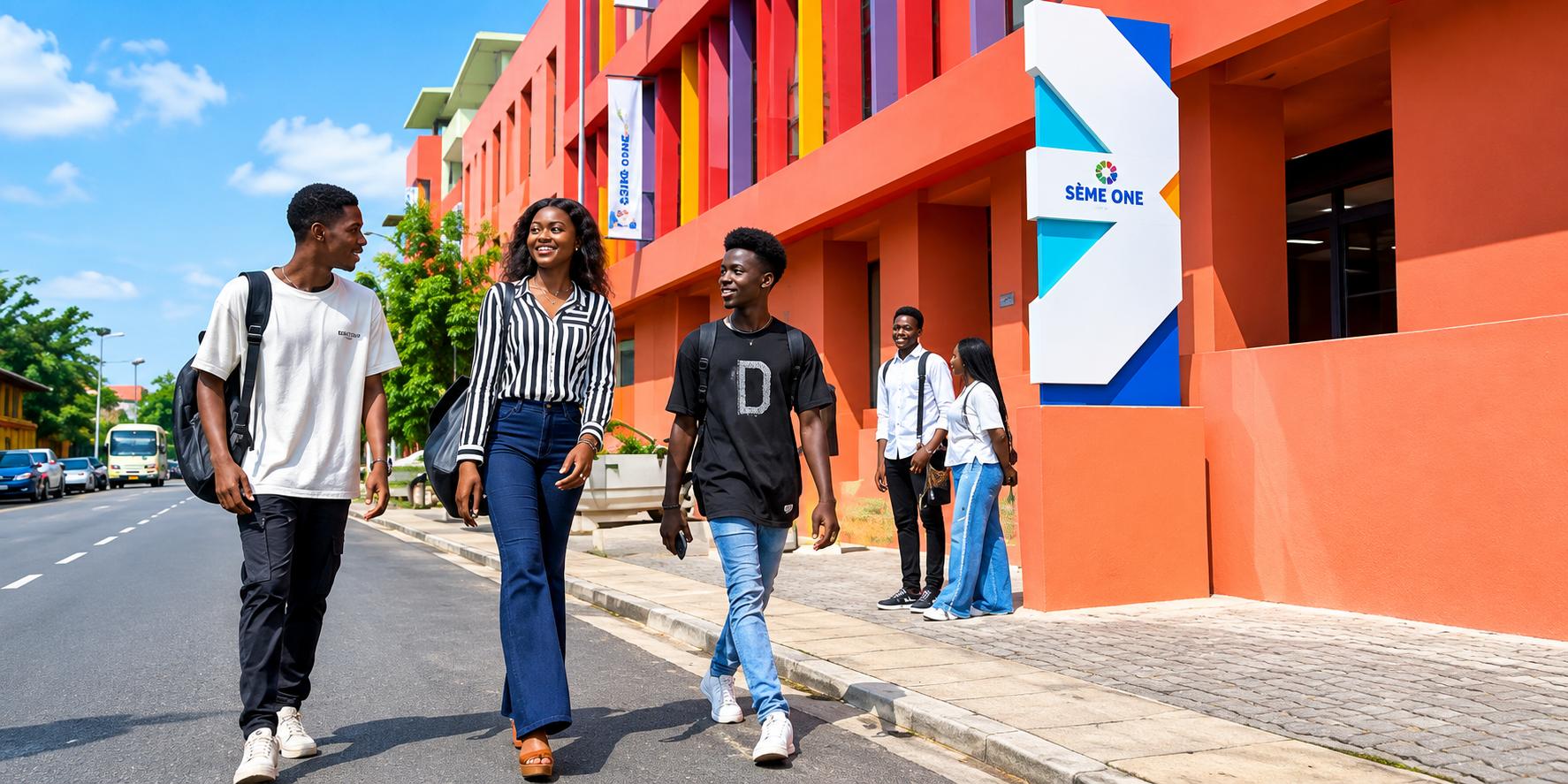
The Master’s in Sustainable Engineering Design marks a historic milestone for both SCITI and the broader higher education ecosystem in Benin. As the flagship program of SCITI — the engineering school embedded within the Sèmè City innovation hub — this master’s degree represents the first postgraduate qualification delivered entirely on Beninese soil under a joint-degree framework.
The partnership with URCA brings more than just international validation. It embeds Beninese students in a curriculum that seamlessly integrates environmental, economic, and performance considerations from the earliest stages of design. From infrastructure planning to product development, graduates will be trained to think beyond technical execution — they will be taught to lead with sustainability as the foundation.
This isn’t just about upgrading skills. It’s about redefining the identity of the Beninese engineer: no longer a recipient of imported solutions, but a creator of context-appropriate innovations.
Why sustainable engineering matters now
Benin’s economic aspirations are increasingly centered on industrialization and technological self-reliance. For decades, large-scale infrastructure and industrial projects have depended heavily on foreign expertise, designs, and technologies. While collaboration remains valuable, the government has identified a strategic gap: the lack of a domestic pool of engineers capable of conceptualizing solutions tailored to Benin’s environmental realities, resource constraints, and societal needs.
The Master’s program directly addresses this deficit. Its syllabus spans the full lifecycle of built systems — from raw material sourcing to end-of-life recycling — with a strong emphasis on circular economy principles. Students will tackle real-world challenges such as energy efficiency, climate-resilient urban planning, and resource-efficient manufacturing. The goal is clear: to produce engineers who don’t just implement designs, but who design systems that sustain themselves.
Redefining the engineer’s role in West Africa
The initiative is not isolated. It reflects a broader regional ambition to shift from technology consumption to technology creation. By training homegrown talent, Benin is positioning itself as a future leader in sustainable industrial development. The program aligns with the operational needs of the Glo-Djigbé Economic Zone (GDIZ), a key industrial hub where innovation and sustainability are non-negotiable for long-term success.
Moreover, this master’s degree serves as a model for neighboring countries seeking to emulate Benin’s approach. Rather than relying solely on foreign partnerships, the curriculum fosters indigenous problem-solving capabilities. In doing so, it strengthens Benin’s position as a hub for technology and sustainable innovation in West Africa.
What’s next for graduates and the economy
The first cohort of students will enter a labor market hungry for engineers who understand sustainability as a core design principle. These graduates will be equipped not only with technical skills but with a mindset of innovation rooted in local context. From leading sustainable infrastructure projects to launching green startups, they will be pivotal in driving both economic growth and environmental stewardship.
For the economy, the long-term impact could be transformative. Reduced reliance on imported technologies and expertise will lower costs, increase local value addition, and build resilience against global supply chain disruptions. It could also attract investment from international firms seeking partners with deep regional expertise in sustainable design.
Most importantly, this master’s program signals a cultural shift. It tells a new generation of Beninese: you don’t have to look abroad to solve your country’s problems. You can design the solutions yourself.
