Behind the Sahel’s worsening jihadist tide: why Mali’s Africa Corps strategy is unraveling
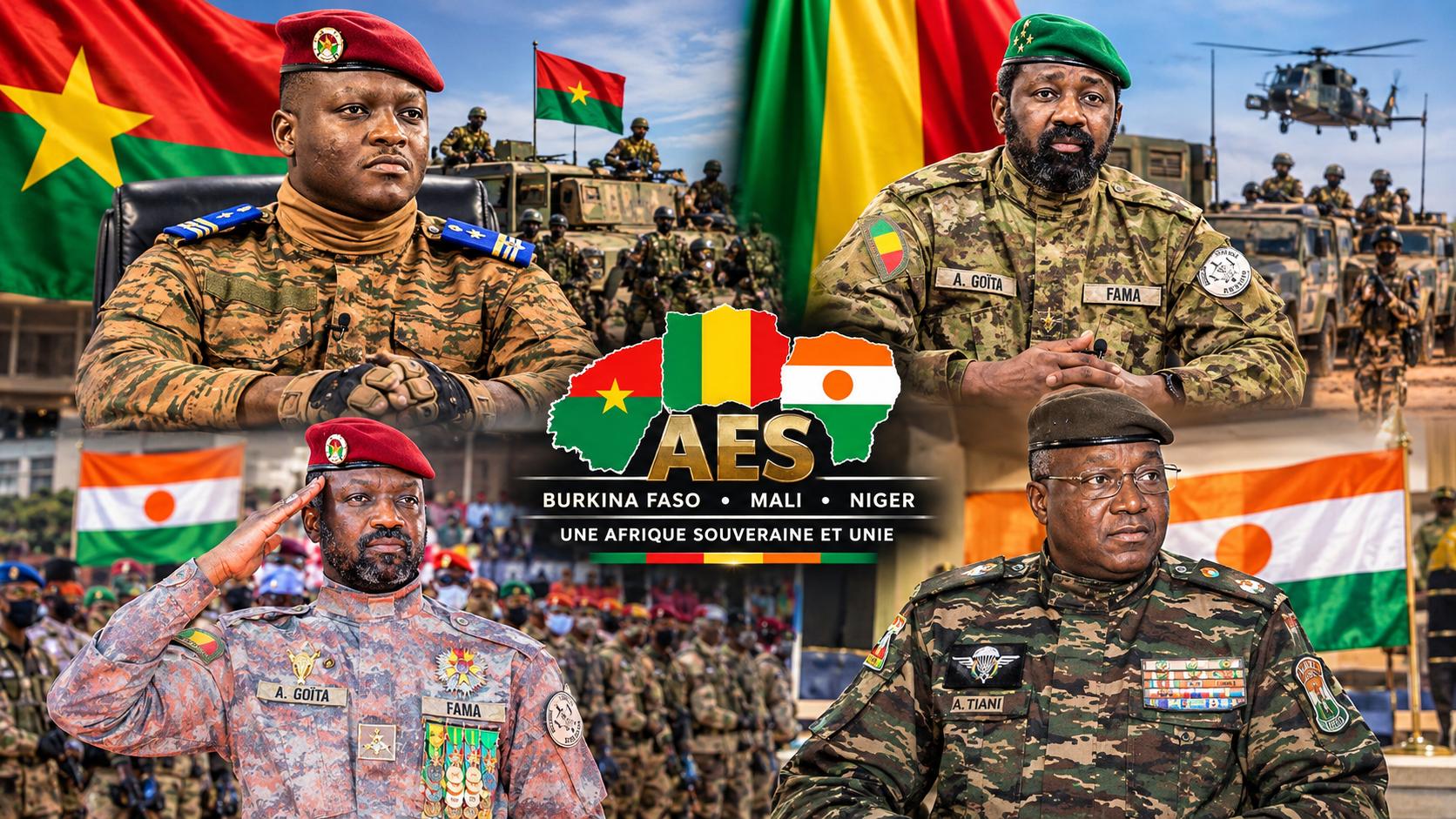
The Alliance of Sahel States (AES) entered 2026 with high hopes for its security model. In Mali, Moscow-backed Africa Corps troops were supposed to fill gaps left by departing Western forces. Yet a string of battlefield reversals—culminating in the devastating attack on Dioura—has exposed a harsh truth: firepower alone cannot defeat an insurgency rooted in local grievances.
Dioura’s brutal lesson: when military hubs become jihadist supply depots
On September 10, 2026, the JNIM launched a multi-pronged assault on Mali’s Dioura garrison, a key logistics hub in the central Mopti region. Official casualty figures remain murky—authorities cite at least 100 Malian soldiers dead, while the JNIM claims up to 150 killed and 93 captured. Russian sources confirm five Africa Corps fatalities.
The deeper concern? Satellite images and jihadist propaganda suggest the militants seized not just weapons and ammunition, but also abandoned vehicles and fuel. For an insurgent force operating on tight logistics, Dioura’s temporary capture turned a military defeat into a tactical windfall—turning enemy materiel into its own arsenal.
From rural outposts to Bamako’s doorstep: the creeping geography of fear
Dioura was not an isolated incident. Within days, JNIM fighters struck again at Konna and Sévaré—both critical nodes in Mali’s defense architecture. At Sévaré, kamikaze drones targeted Russia’s Mi-35 helicopters and Turkish Bayraktar TB2s, symbols of the AES’s technological ambitions. Such attacks signal a shift: jihadist groups no longer confine themselves to remote bush skirmishes. They now threaten major cities, supply routes, and political centers.
Of particular alarm is the JNIM’s ability to operate within 100 kilometers of Bamako. In 2026 alone, the group has ambushed convoys, raided villages, and staged hit-and-run assaults on military positions along the capital’s periphery. The message is clear: no place in Mali is truly safe.
Russia’s Africa Corps: a name change, but not a strategy shift
After France’s withdrawal and the U.N. mission’s collapse, Mali turned to Moscow for security guarantees. The Africa Corps, now under direct Russian Defense Ministry control, was deployed to stabilize the country. Estimates place its strength at several thousand troops, supported by air assets, drones, and intelligence operatives.
Yet the Dioura attack raises a critical question: can foreign muscle compensate for a hollowed-out national army? Despite advanced weaponry, Africa Corps forces have not stemmed the jihadist tide. Analysts point to structural weaknesses: poor coordination between Malian and Russian units, limited intelligence-sharing with local communities, and a failure to address the social roots of radicalization.
Earlier this year, coordinated offensives by JNIM and the Azawad Liberation Front overwhelmed towns in central and northern Mali. In July, an ambush near Anéfis left dozens of soldiers and Africa Corps contractors dead. These setbacks underscore a pattern: jihadist forces rely on mobility, local knowledge, and relentless pressure—tactics difficult for conventional armies to counter.
Civilian toll mounts: when firepower backfires
As battlefield pressure intensifies, civilian casualties have surged. Reports from Kyrnia (Mopti region) allege eight civilians—including three children—killed in an alleged Africa Corps airstrike in June. Another incident in Bombori (July) reportedly left nine civilians dead. While Moscow denies targeting non-combatants, the fallout is undeniable: communities increasingly view the Africa Corps not as protectors, but as occupiers.
In asymmetric warfare, perceptions matter more than precision. When local populations feel caught between jihadists and security forces, recruitment for militant groups rises. The Africa Corps may be winning battles, but it is losing the war for hearts and minds.
Beyond Mali: an AES-wide crisis of credibility
The Sahel’s crisis transcends borders. Burkina Faso and Niger, both members of the AES, face intense jihadist pressure. The Africa Center for Strategic Studies reports soaring militant fatalities across the region, with the JNIM responsible for a disproportionate share. The Institute for Security Studies warns that evolving militant alliances—such as the JNIM’s cooperation with armed factions in northern Burkina Faso—are stretching regional defenses thin.
Despite the AES’s founding pledge to bolster collective defense, three years into its existence, the alliance struggles to present a unified front. Mali’s reliance on Moscow clashes with Burkina Faso’s calls for self-sufficiency. Niger’s junta, meanwhile, has distanced itself from both partners. These internal divisions only embolden jihadist groups.
A crisis of competence: what security success really looks like
The Africa Corps may have reshaped Mali’s military landscape, but it has not redefined warfare in the Sahel. The true measure of success lies not in body counts or hardware destroyed, but in three unmet challenges:
- Territorial control: Can the state protect towns, markets, and roads without constant military patrols?
- Population trust: Are civilians reporting militant movements, or hiding them to avoid retaliation?
- Sustainable governance: Can local leaders address root causes—youth unemployment, land disputes, and weak justice systems?
The Dioura attack exposed a harsh reality: the AES’s security gamble has not paid off. For the model to survive, Mali—and its partners—must go beyond military posturing. They need to rebuild institutions, restore public confidence, and offer alternatives to radicalization. Without these, the Sahel’s jihadist storm will continue to rage.
