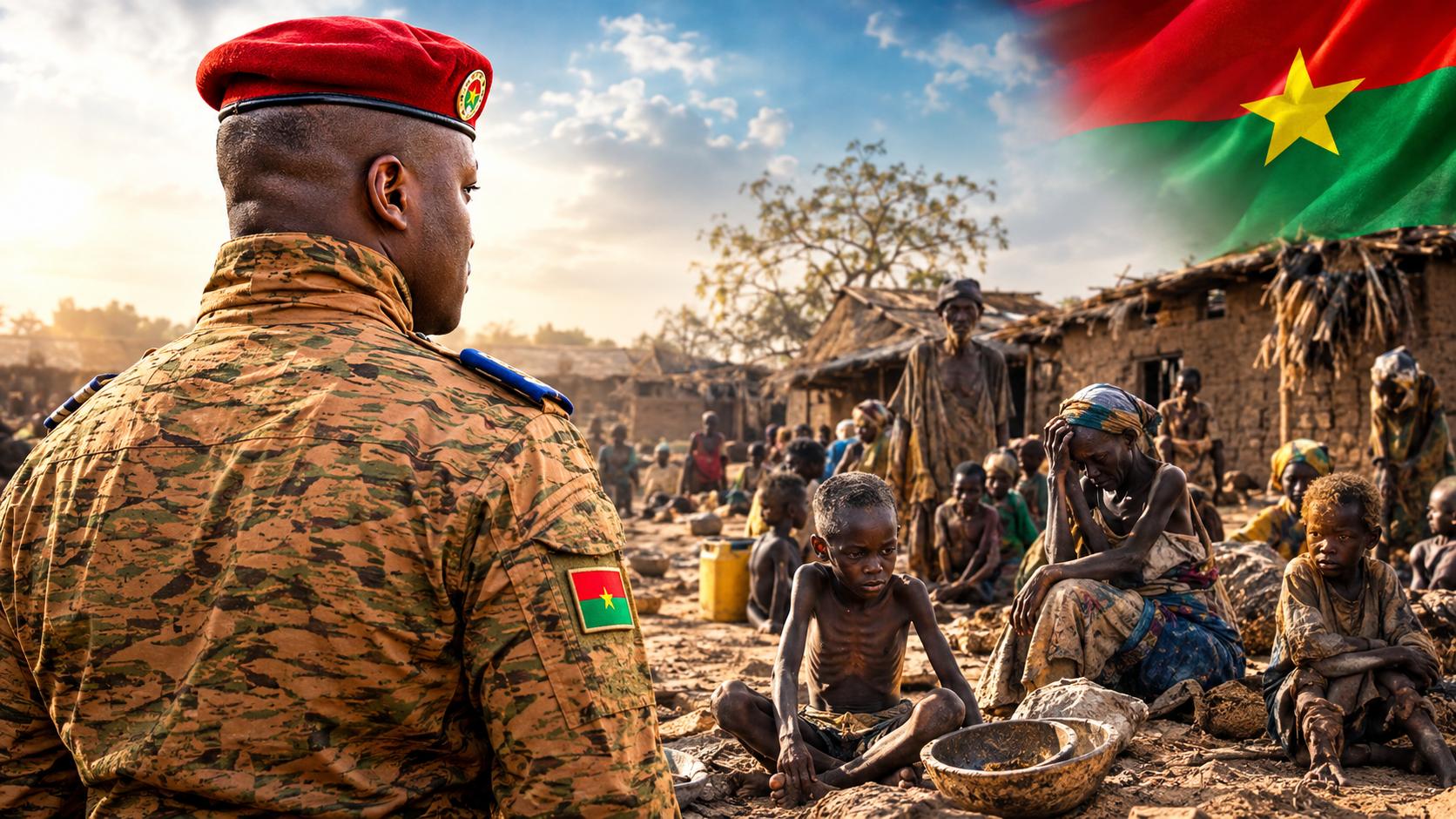
Behind the fall of Boussouma: how institutional reforms near Ouagadougou paved the way for terror
The silent exodus: why Boussouma’s story matters beyond its borders
Just 77 kilometers northeast of Ouagadougou, the once-thriving village of Boussouma now stands as a stark warning of how institutional adjustments can unknowingly accelerate a community’s collapse. What began as a routine administrative reshuffle—meant to modernize local governance—unraveled into a security catastrophe, leaving the village emptied, its fields fallow, and its people scattered under the threat of armed groups. The crisis in Boussouma isn’t just about lost homes; it’s about the unintended consequences of policies designed to strengthen stability, but which instead dismantled the very safeguards that kept terror at bay.
When tradition cracks: how a legal reform became a security vacuum
The turning point came not from an attack, but from an act of policy. By dismantling the traditional leadership structures that had long served as the first line of defense against instability, authorities inadvertently removed the social fabric holding the community together. The 2026 customary chieftaincy law (loi n°002-2026/ALT) and the restructuring of the Boussouma royal court stripped away the informal networks—once the village’s eyes and ears—that had deterred militant advances. Without these local guardians, the land became fertile ground for armed groups to embed themselves unchallenged, exploiting the void left by institutional disruption.
The ripple effect of institutional whiplash
Local governance in many West African communities relies less on centralized authority and more on the legitimacy of traditional leaders. These figures often act as mediators between villagers and security forces, providing critical intelligence and maintaining order in areas where state presence is weak. In Boussouma, their sudden removal didn’t just weaken the community—it removed the stabilizers that had historically kept extremist movements in check. As the traditional system frayed, so did trust in local institutions, leaving residents with no alternative but flight.
Ouagadougou’s doorstep: a new frontier for terror
Boussouma’s fall is more than a local tragedy; it’s a glaring indicator of how close armed groups now operate to Burkina Faso’s political and economic heart. Located barely a one-hour drive from the capital, the village’s abandonment signals a dangerous proximity that was unthinkable just a few years ago. The exodus has sent shockwaves through the region, forcing displaced families into overcrowded camps and straining resources in neighboring towns. Meanwhile, the silence of Boussouma’s empty streets echoes a grim reality: if villages so close to Ouagadougou can fall, no area is truly safe.
What the crisis reveals about Burkina Faso’s strategy
The government’s response to Boussouma’s collapse has raised urgent questions about the balance between reform and resilience. While the reform of the chieftaincy system aimed to align local governance with national standards, its implementation failed to account for the fragile security landscape of rural Burkina Faso. The absence of a timely transition plan to reinforce alternative protection mechanisms left the community vulnerable at the exact moment it needed support most. Now, as displaced residents pour into makeshift shelters, the cost of this oversight is measured in human suffering and creeping national anxiety.
Lessons lost in the dust: can Burkina Faso reverse the tide?
The erosion of Boussouma’s security wasn’t inevitable—it was shaped by decisions made in boardrooms, not battlefields. To prevent similar tragedies, policymakers must now reconnect institutional reforms with the realities of communities on the front lines of terror. This means not only restoring trust in traditional authorities but also embedding rapid-response safeguards into any future administrative changes. The lesson from Boussouma is clear: in fragile regions, good governance isn’t just about structure—it’s about foresight. Failure to heed this warning could see more villages, and perhaps even Ouagadougou’s outskirts, succumb to the same fate.
