Behind the crash: what the loss of a Tu-95 bomber reveals about Russia’s aging aerial fleet
An unexpected tragedy in the Russian Far East
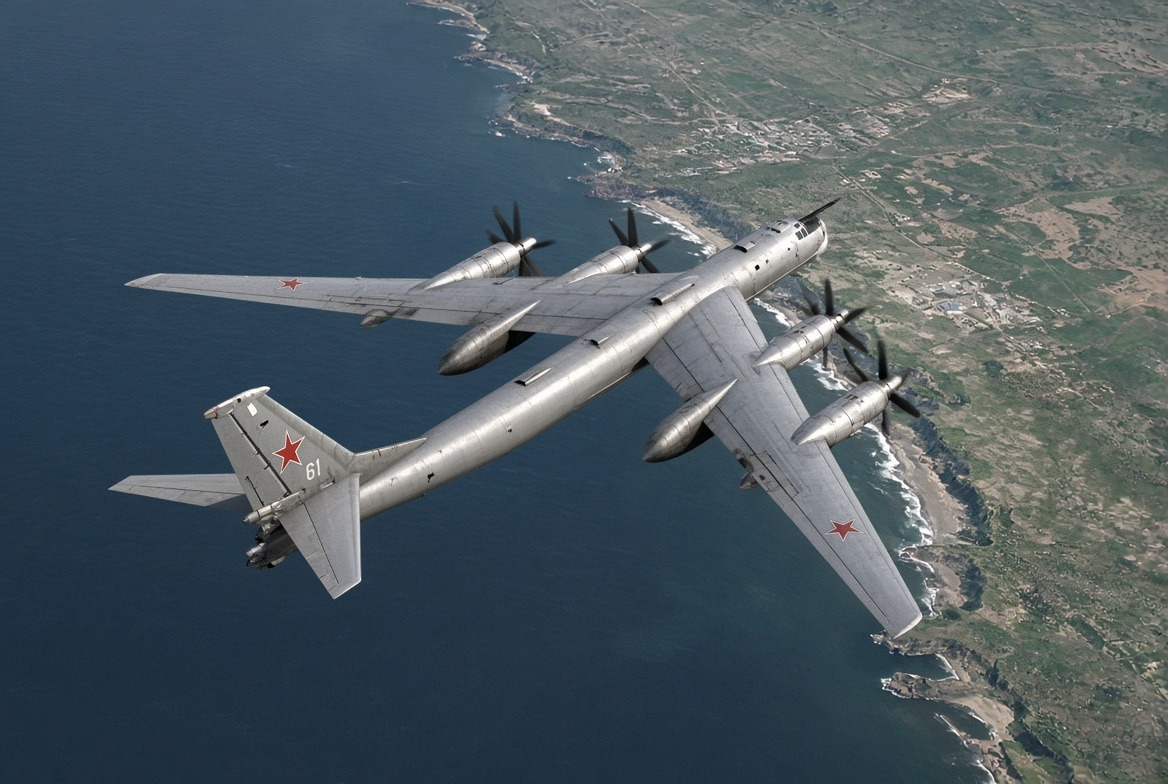
A Tupolev Tu-95MS strategic bomber crashed Tuesday, September 29, during a routine training flight in the Amur region of Russia’s Far East. The incident claimed the lives of six crew members, with one survivor rescued and hospitalized. While the Russian Ministry of Defense confirmed the accident, it has not yet released details on the causes, leaving investigators to piece together what went wrong in the final moments of the flight.
Unlike many recent military losses linked to the conflict in Ukraine, this crash occurred far from the front lines. The Tu-95 was not engaged in combat or missile strikes. Instead, it was conducting a training exercise—raising urgent questions about the operational readiness of Russia’s strategic bomber fleet.
The historical weight of a Soviet-era giant
The Tu-95 is more than just an aircraft; it is a relic of the Cold War that has been repeatedly modernized to remain a cornerstone of Russia’s long-range strike capabilities. First flown in the 1950s, this four-engine turboprop bomber was originally designed as a nuclear delivery platform. Today, its Tu-95MS variant serves as the primary carrier of the Kh-101 and other long-range cruise missiles used against targets in Ukraine.
Despite its age, the Tu-95 remains a critical asset. Its ability to launch missiles from hundreds of kilometers outside the reach of enemy air defenses has made it indispensable in modern warfare. However, the crash in the Amur region underscores the vulnerabilities of an aging fleet that has been pushed to its limits since the outbreak of the Ukraine conflict in 2022.
A fleet stretched thin by war
Since Russia launched its full-scale invasion of Ukraine, Tu-95s have been deployed in nearly every major long-range strike campaign. These bombers rarely approach Ukrainian airspace directly. Instead, they launch their missiles from the relative safety of Russian airspace, which allows them to evade air defenses and maintain operational continuity. Analysts note that this strategy has not only prolonged the lifespan of the Tu-95 but has also made it a frequent target for Ukrainian countermeasures.
In June 2025, Ukrainian forces launched a daring drone attack on several Russian airbases housing Tu-95s and other strategic bombers. Satellite imagery later revealed damaged or destroyed aircraft, particularly at the Belaya airbase in Irkutsk Oblast—thousands of kilometers from the front. While the full extent of Russia’s losses remains unclear, the operation demonstrated a new reality: even deep within Russian territory, strategic bombers are no longer immune to attack.
Why the Amur region matters in Russia’s aerial strategy
The Amur region is not just a remote training ground. It hosts the Ukrainka airbase, a key hub for Russia’s long-range bomber fleet. Satellite data from 2025 had already suggested that some Tu-95s were redeployed eastward as the war intensified, shifting focus away from traditional western bases vulnerable to Ukrainian strikes.
This westward shift reflects a broader trend: Russia is relocating critical military assets east of the Ural Mountains to reduce exposure to Ukrainian long-range strikes and drone incursions. But the crash in the Amur region suggests that even these relocated bases are not without risk. Whether due to mechanical failure, human error, or as-yet-unidentified factors, the loss of a Tu-95 in such a highly secured area raises concerns about the overall condition of Russia’s bomber fleet.
What comes next for Moscow’s long-range strike force?
The loss of a single Tu-95 does not immediately cripple Russia’s long-range strike capability—but it is a stark reminder of the fleet’s fragility. The Tu-95MS, the most modernized version still in service, requires extensive maintenance and periodic upgrades to remain operational. With multiple aircraft already reported damaged or destroyed in recent years, each additional loss reduces operational flexibility.
For Moscow, the timing of this incident could not be worse. The Tu-95 remains a symbol of Russia’s aerial power, but its continued use in Ukraine has made it a high-value target. If the crash was indeed caused by mechanical failure, it raises questions about the overall airworthiness of the fleet. If sabotage or external attack were involved, it would suggest a dangerous escalation in the conflict’s aerial dimension.
As Russian investigators begin their work, one thing is clear: the world’s attention is once again focused on the Tu-95—not just as a weapon of war, but as a barometer of Russia’s strategic depth and long-term capability in the face of a prolonged conflict.
What we know—and what remains uncertain
- Cause of crash: Still unconfirmed. Authorities have not ruled out mechanical failure or pilot error.
- Casualties: Six crew members killed; one survivor hospitalized in serious condition.
- Impact on operations: No immediate suspension of training or deployment, but the incident adds pressure on an already strained bomber fleet.
- Strategic implications: Raises questions about the safety and redundancy of Russia’s long-range strike platforms amid ongoing conflict.
