Behind the ashes of Anié market: how Togo’s stagnant governance fueled a preventable disaster
The silent collapse of Togo’s economic backbone
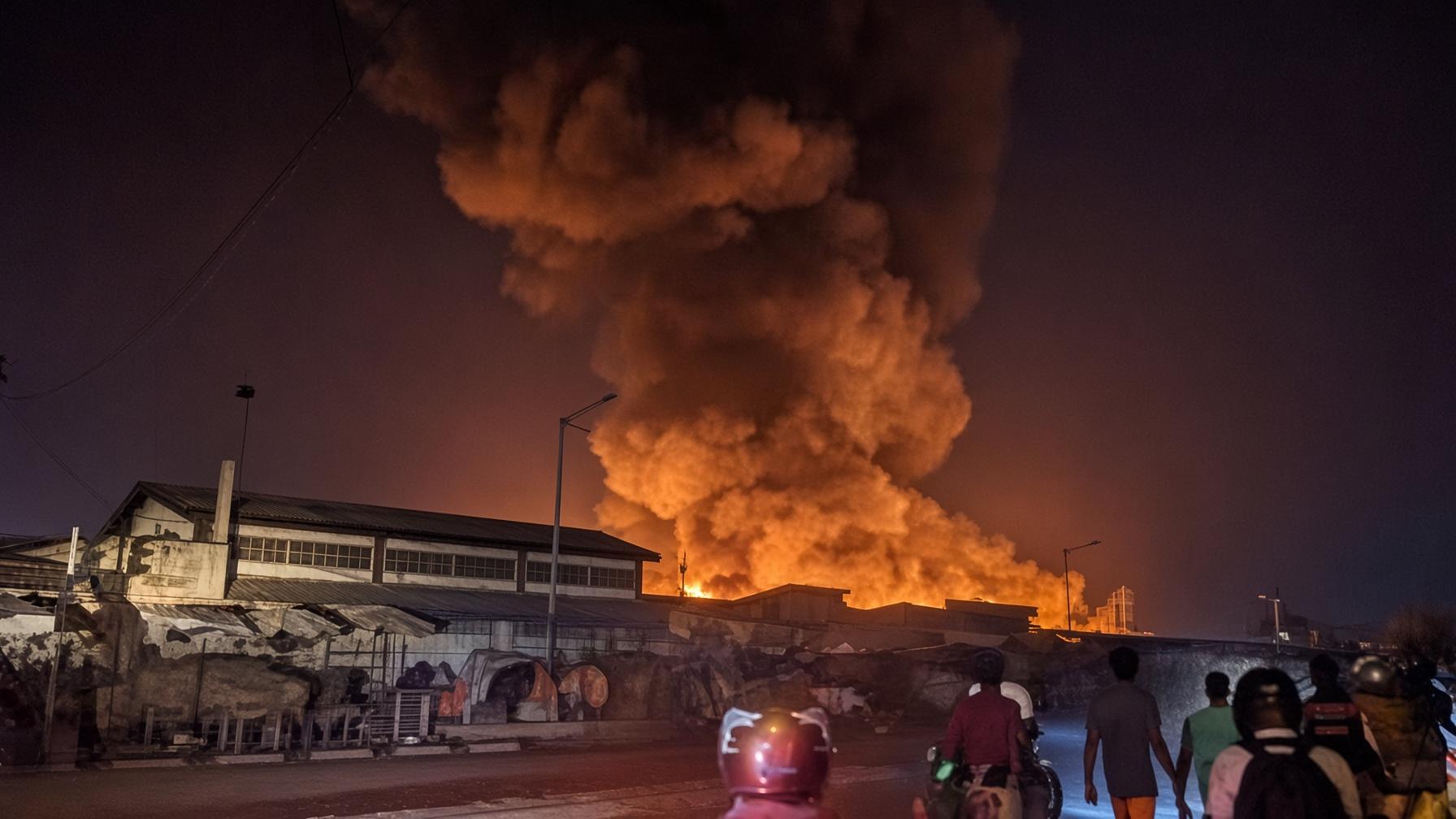
In the dead of night, the Grand Marché d’Anié—once the economic nexus of the Plateaux region—was swallowed by flames, leaving nothing but smoldering rubble in its wake. No lives were lost, but the inferno erased years of hard work, savings, and livelihoods for hundreds of traders overnight. The tragedy wasn’t an act of nature; it was the inevitable culmination of decades of systemic neglect by a regime that has long prioritized self-preservation over public service.
Why 2026 in Togo still looks like 1966
The fire’s spread was accelerated by decades-old infrastructure: wiring that should have been upgraded years ago, fire hydrants that had run dry for years, and emergency routes clogged by unplanned expansion. These aren’t flaws—they’re failures of policy. Since Faure Gnassingbé assumed power in 2005, the government has clung to slogans like “Togo Emerging” while its citizens grapple with the same vulnerabilities that plagued the Eyadéma era. Modernization wasn’t just delayed—it was actively avoided.
The unaudited ledger of a broken system
A fire prevention audit of Anié’s market would have read like a textbook case of institutional decay:
- Outdated safety standards: No modern fire suppression systems, no compliant electrical grids, and no emergency evacuation protocols.
- Delayed emergency response: Firefighters arrived to find hydrants dry and roads blocked, their equipment ill-suited for a blaze of this scale.
- Cyclical neglect: Years after fires ravaged markets in Lomé and Kara, Anié was doomed to repeat history—a pattern tolerated by a government that treats crises as PR inconveniences, not calls to action.
From rhetoric to ruins: the cost of political stagnation
The regime’s response was predictable: symbolic aid packages and hollow promises. But distribution centers and press statements can’t replace proactive governance. Anié’s disaster exposes the hollow core of a system that measures success in ribbon-cuttings, not fireproofing markets where families earn their daily bread. When the informal sector—accounting for over 40% of Togo’s economy—operates in tinderbox conditions, the fault lies not with the traders, but with the state that has abdicated its duty to protect them.
The turning point Togo can’t afford to miss
This isn’t the first market fire in Togo, nor will it be the last unless the cycle of inertia is broken. The 2026 inferno at Anié isn’t a tragedy—it’s a wake-up call. For a regime clinging to the myth of stability, the question is no longer whether change is needed, but whether it will act before the next market burns—or before voters demand accountability at the ballot box.
