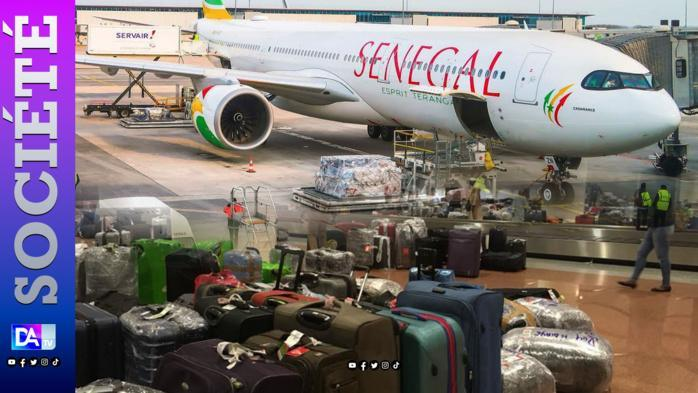
Behind the Air Sénégal smuggling probe: what really happens when crew become couriers
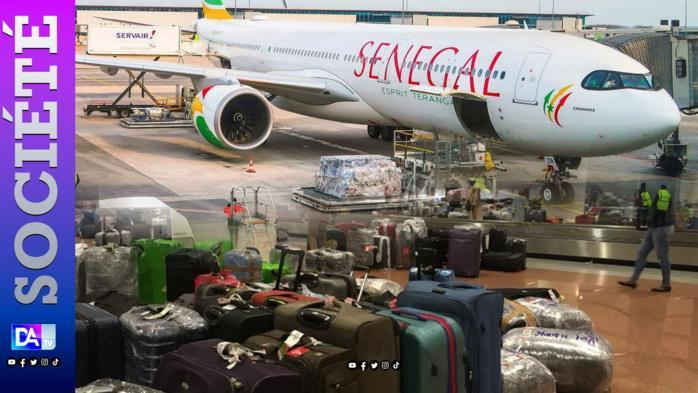
What began as a routine internal disciplinary matter has evolved into a full-blown international investigation touching the highest levels of Air Sénégal. Behind the scenes, the case reveals a complex web of informal commerce, personal networks, and security gaps that allowed illicit cargo to move through one of West Africa’s most strategic airlines. At the heart of the probe: allegations that cabin crew members — flight attendants and stewards — accepted payment to transport goods on behalf of a company incorporated in France. The inquiry, now involving Interpol, seeks to map the network, identify participants, and measure the scale of operations that may have been running for years.
The anatomy of a shadow operation
Investigators are piecing together how the scheme functioned. According to information gathered in the case file, employees allegedly carried merchandise for compensation, with items ranging from car bumpers to oversized luggage and other parcels handled under similar arrangements. The pattern suggests more than isolated opportunism; it points to an organised system where flight schedules, personal contacts, and lax oversight converged. Understanding this operational structure is key to grasping why the airline is now under scrutiny — and what it will take to dismantle such networks.
A milk pot that changed everything
One incident has become emblematic of the broader case. A flight attendant reportedly agreed to carry a pot of milk departing from Paris. A colleague had put her in touch with the person handing over the container. Once in possession of the item, she opened it as a precaution — and discovered a suspicious substance later confirmed as hard drugs. That single act of caution transformed a low-level courier arrangement into a drug trafficking investigation.
Questioned as part of the inquiry, the attendant provided the phone number of the individual who had given her the parcel. But the contact quickly became unreachable. Tracing the handover and establishing individual responsibility is now a central task for investigators. The episode highlights how easily routine crew privileges can be exploited — and how quickly a seemingly innocuous favour can spiral into serious criminal exposure.
Air Sénégal’s response and the qualification gap
Air Sénégal’s management has confirmed it was officially notified of the investigation and has taken precautionary measures concerning the flight attendants and stewards assigned to the Dakar–Paris–Dakar route. Notably, on the flights in question, these personnel did not hold the security qualification referenced in the case file — a detail that raises uncomfortable questions about oversight and vetting.
Beyond financial motives: the official line
The company rejects any explanation that reduces the alleged practices to purely financial need. Sources close to management point to staff remuneration levels and argue that some parallel commercial activities went far beyond a simple search for supplementary income. These assertions reflect the airline’s position and do not prejudge the investigation’s conclusions. Yet they invite a deeper look at the underlying dynamics — including how informal economies operate within tightly regulated aviation environments.
A precedent that still haunts the airline
This is not the first time Air Sénégal has faced such allegations. A previous case involved merchandise shipped from New York, with thirteen flight attendants and stewards cited and alleged payments calculated per suitcase. Flight restrictions were reportedly imposed before their reinstatement. That earlier episode suggests a recurring vulnerability — one that the current Interpol-backed inquiry may finally force the airline to confront head-on.
Management says it is awaiting the results of the investigations before deciding on any definitive sanctions. For now, the case remains a stark reminder that behind every airline’s public face lies a complex human and logistical ecosystem — one where the line between legitimate commerce and illicit trade can blur with alarming speed.
