Behind Benin’s bold defense shift: why Algeria’s expertise is reshaping regional security
As regional security threats evolve, Benin is not merely reacting it is strategically recalibrating its national defense approach. A key component of this shift emerged during a critical meeting in Cotonou, where the nation’s defense leadership engaged in high-level talks with Algeria’s top diplomat to Benin. This evolving partnership signals more than just a new alliance; it reflects a deeper, deliberate strategy to enhance military resilience through targeted cooperation.
Why Algeria’s defense expertise matters for Benin’s future security
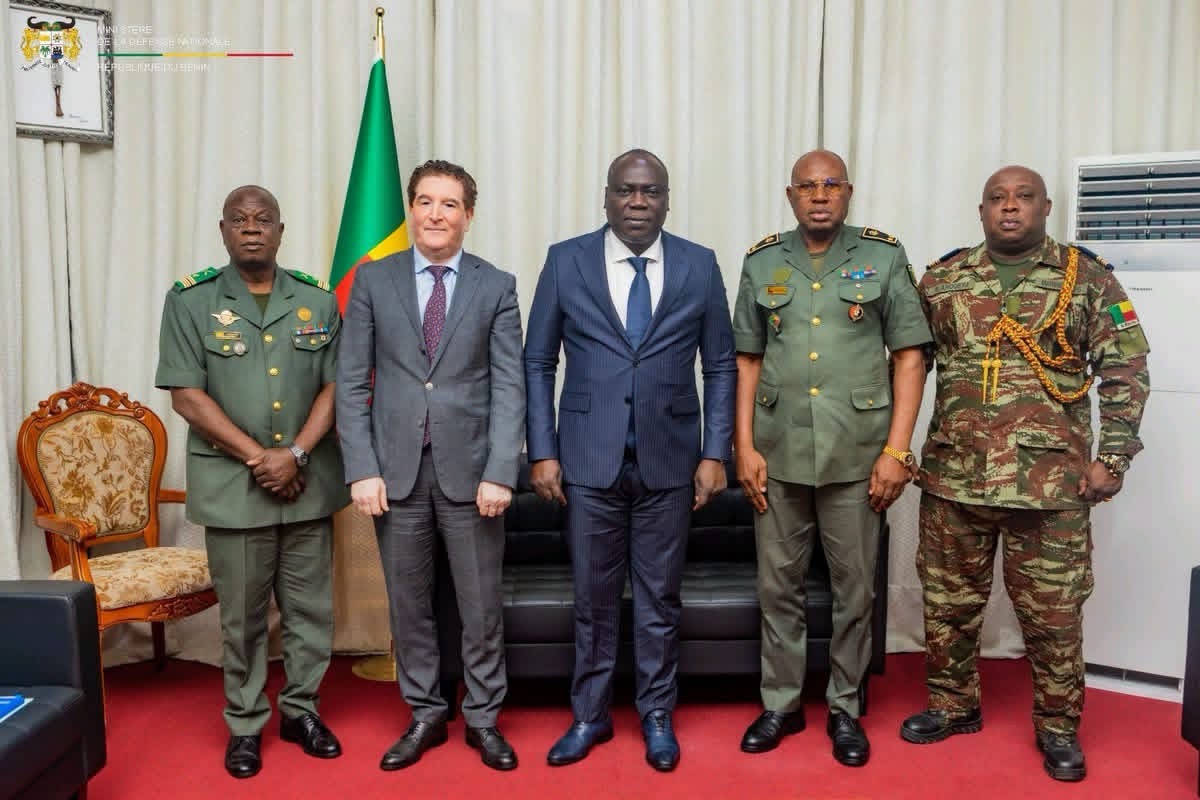
On September 24, 2026, Benin’s Minister of State for National Defense, Gildas Agonkan, hosted Algeria’s Ambassador to Benin, Ammar Hadjar, in a meeting centered on strengthening bilateral defense ties. Unlike conventional partnerships focused solely on arms transfers, this cooperation places emphasis on operational experience, troop training, and capability building areas where Algeria has demonstrated proven expertise.
Algeria’s military has long been recognized for its advanced counter-terrorism operations, and its forces have continuously adapted to the evolving tactics of armed groups in the Sahel. For Benin, this represents a valuable opportunity to integrate high-level operational knowledge into its own defense architecture, particularly in addressing asymmetric threats that transcend national borders.
Unpacking the diversification strategy: more than just new allies
Benin’s pursuit of a broader defense network is not accidental it is a calculated pivot toward resilience. Recent months have seen Cotonou expand its defense cooperation beyond Algeria, engaging with partners such as the United States, the United Arab Emirates, Germany, and the Netherlands. These alliances are being forged not just for equipment, but for specialized training, strategic insight, and interoperability.
The goal is clear: to build a self-sustaining defense ecosystem where Benin’s troops can draw from multiple sources of expertise. This approach is especially critical in northern Benin, where ongoing security challenges require adaptive and multi-faceted responses.
Local resilience meets global best practices
Despite international engagements, Benin is not abandoning its homegrown capabilities. The nation’s National Superior School of the Armed Forces (ENSA) has become a cornerstone of local defense development. In July 2026, the school celebrated a 96.15% success rate for its 22nd preparatory staff officer course, with participants from seven countries underscoring its growing role as a regional training hub.
Rather than replacing domestic training, Algeria’s partnership is designed to complement and enhance it. By integrating Algerian counter-terrorism experience, Beninese forces gain access to real-world scenarios, advanced tactics, and institutional knowledge that can be adapted to national needs.
The road ahead: formalizing cooperation without losing control
While no formal agreement has been signed, the momentum is undeniable. Benin is carefully curating its defense partnerships, ensuring that each new alliance aligns with its strategic priorities and maintains national sovereignty over security decisions.
This cautious yet proactive approach reflects a broader philosophy: Benin is not just diversifying partners it is constructing a layered defense network. By combining local training, international expertise, and focused bilateral cooperation, the country is positioning itself to respond more effectively to emerging threats while safeguarding its future.
Key takeaways for Benin’s defense transformation
Expertise over equipment: Algeria’s contribution lies in operational experience, not just military hardware.
Diversification as resilience: Multiple partnerships provide varied skill sets and reduce reliance on any single source.
Local strength meets global insight: Benin’s ENSA continues to thrive, while foreign expertise enhances training quality and adaptability.
Strategic autonomy preserved: Every engagement is designed to reinforce national capabilities never replace them.
By Maimouna Kaboré — Editor-in-Chief
