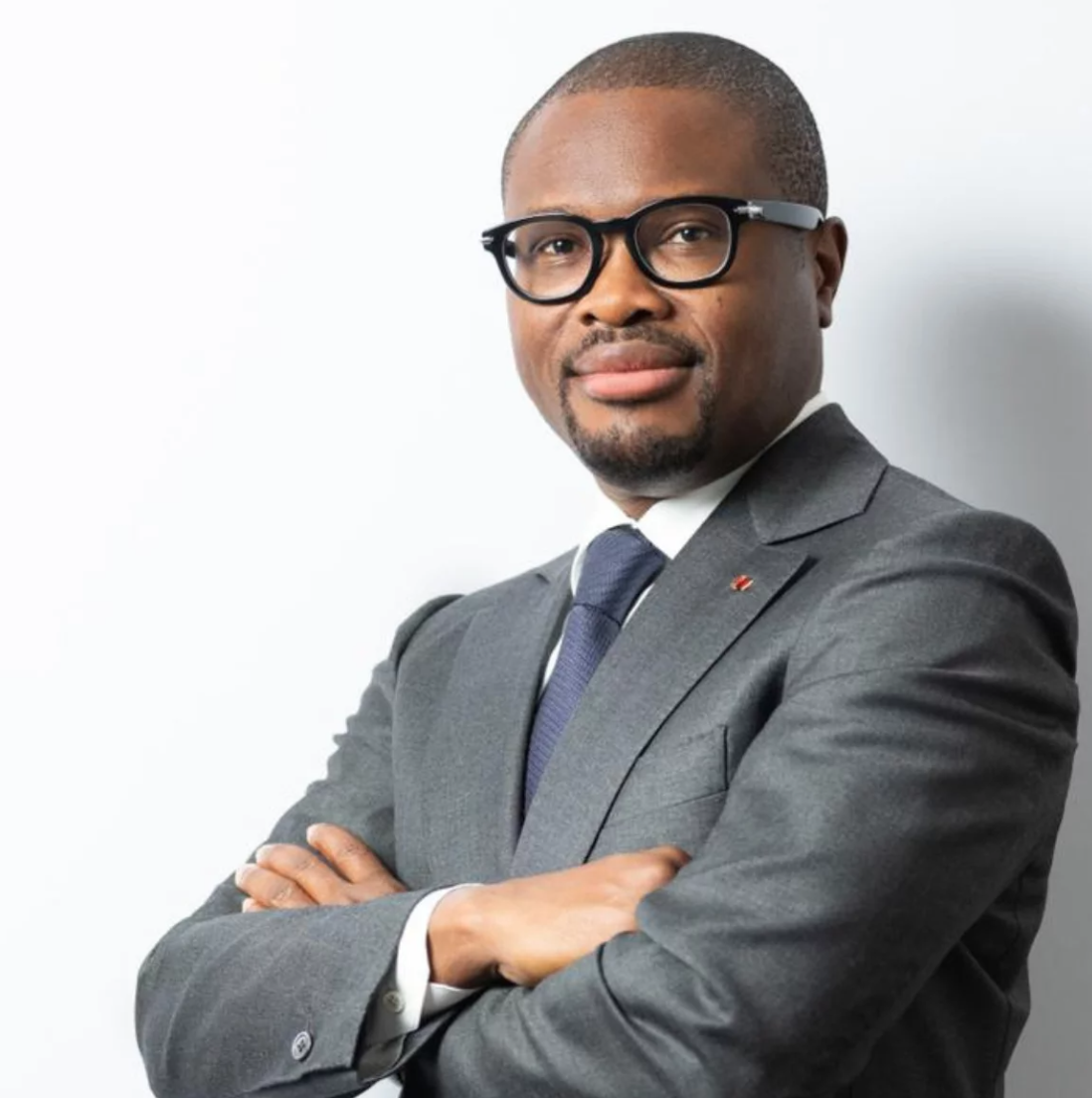
Behind Benin’s $544,000 UNAIDS pledge: how a bold investment redefines its HIV strategy
The Human Cost of Political Courage: Why Benin’s UNAIDS Contribution Matters
New York, September 2026 — As geopolitical tensions tightened their grip on global health funding, the Government of Benin made a statement that echoed far beyond its borders. Against a backdrop of shrinking international aid and donor fatigue, the country committed €544,042 to UNAIDS for the 2026–2027 period — a move that underscores more than fiscal prudence. It reflects a deliberate, behind-the-scenes reckoning with the real-world consequences of underfunding the fight against HIV.
A Leadership Legacy Built on Data: How Numbers Shaped Wadagni’s Decision
This was not an impulsive allocation. Behind the bold gesture lies years of meticulous data tracking and strategic review. Since 2010, Benin has reduced new HIV infections by 72% and cut AIDS-related deaths by 51%. Yet, as the government’s analysis revealed, these gains remain fragile. Without sustained investment in prevention, treatment, and community engagement, progress could reverse — especially among key populations like young people, women, and men who have sex with men. President Romuald Wadagni, a former Finance Minister known for his data-driven governance, saw the contribution not as an expense, but as a shield against regression.
The Hidden Costs of Retreat: What the Math Says
Internal projections showed that a funding gap in 2026 could lead to a 15% drop in antiretroviral therapy coverage within 18 months — a scenario that would erase years of hard-won gains. The €544,042 pledge was calculated to plug that gap, ensuring continuity in service delivery, community outreach, and surveillance systems. It was, in essence, a risk mitigation strategy disguised as a donation: a commitment to prevent future crises by investing in stability today.
From Aid Recipient to Strategic Partner: The Psychological Shift in Global Health
What makes this contribution truly historic is not its size, but its symbolism. Benin has joined a select group of nations — including Algeria, China, and Côte d’Ivoire — that voluntarily fund UNAIDS programs. This is not charity. It is a declaration of ownership: Benin is choosing to invest in its own public health future rather than waiting for external donors to act. It reflects a quiet but profound shift in how low- and middle-income countries view global health leadership — not as recipients of aid, but as architects of solutions.
This transformation is the result of deliberate policy evolution. Since taking office in May 2026, President Wadagni has elevated health to a national security priority, integrating HIV response into broader economic resilience plans. His administration’s approach combines fiscal discipline with social justice — a rare alignment in African governance. By redirecting domestic resources with precision, the government has demonstrated that sovereignty in health is not incompatible with global collaboration.
What Happens Next: The Ripple Effects in Cotonou, Parakou, and Beyond
On the ground, the impact will be felt immediately. The UNAIDS funds will strengthen three core pillars of the response:
- Surveillance & Data: Real-time HIV data will improve, enabling faster outbreak responses and tailored prevention campaigns.
- Community Engagement: Grassroots organizations will receive stable funding, ensuring that marginalized groups — including sex workers and transgender individuals — remain connected to care.
- Multi-Sector Coordination: Ministries of Health, Education, and Gender will synchronize efforts, embedding HIV services into schools, workplaces, and public health campaigns.
Community leaders have already responded with cautious optimism. “This funding is a lifeline,” said Alimatou, a peer educator in Cotonou. “It means our outreach programs won’t stall. It means fewer people will fall through the cracks.”
The Bigger Picture: Can Benin Inspire a New Model of Health Sovereignty?
Benin’s move comes at a critical juncture. With global HIV funding declining for the first time in decades, countries are being forced to choose: retreat or rethink. Benin’s answer is clear: it is rethinking. By investing €544,042 in UNAIDS, the government is not just saving lives — it is rewriting the rules of health diplomacy. It is proving that leadership in global health is not about how much you give, but how strategically you invest what you have.
If successful, Benin’s model could become a blueprint for other African nations grappling with donor withdrawal. Already, policymakers in Nigeria and Senegal are studying the strategy, particularly its focus on domestic resource mobilization and legislative alignment with human rights standards. Benin’s new HIV law, enacted earlier this year, criminalizes discrimination and strengthens privacy protections — a legal framework that now complements its financial commitment.
The Man Behind the Move: Wadagni’s Quiet Revolution
Few leaders embody the fusion of economic pragmatism and social solidarity like Romuald Wadagni. Trained in finance and public administration, he spent a decade as Benin’s Finance Minister, overseeing reforms that restored investor confidence and reduced debt. Yet, unlike many technocrats, he never separated fiscal policy from human outcomes. As he stated during the signing ceremony in New York, “We did not approve this funding because it was easy. We did it because it was necessary — because every euro saved a life, and every life saved strengthened our nation.”
His presidency has been marked by a refusal to accept trade-offs between growth and equity. By placing HIV at the heart of Benin’s development agenda, he has signaled that public health is not a cost center — it is a national asset. Under his leadership, the country is not just meeting its international obligations; it is redefining what responsible governance looks like in the 21st century.
A Call to Action: What the World Must Do Next
The €544,042 pledge is a milestone, but it is not the finish line. To sustain momentum, Benin will need to:
- Expand Domestic Funding: Increase allocations from the national budget, ensuring HIV response is not dependent on external contingencies.
- Strengthen Public-Private Partnerships: Engage local businesses in co-financing prevention and treatment programs.
- Leverage Regional Influence: Share lessons with neighboring countries facing similar funding challenges.
The international community, meanwhile, must respond with more than applause. Benin’s bold step should prompt a collective reevaluation of how global health is funded. If even one nation can break free from donor dependency while accelerating progress toward 2030 goals, others can, too. The question is no longer whether the fight against HIV can be won — it is whether the world is ready to invest in the tools that make victory possible.
In the treatment rooms of Benin’s clinics and the boardrooms of Geneva’s health agencies, the message is clear: the future of HIV response will be shaped not by how much we give, but by how wisely we invest what we have. Benin has shown the way. The rest must follow.

