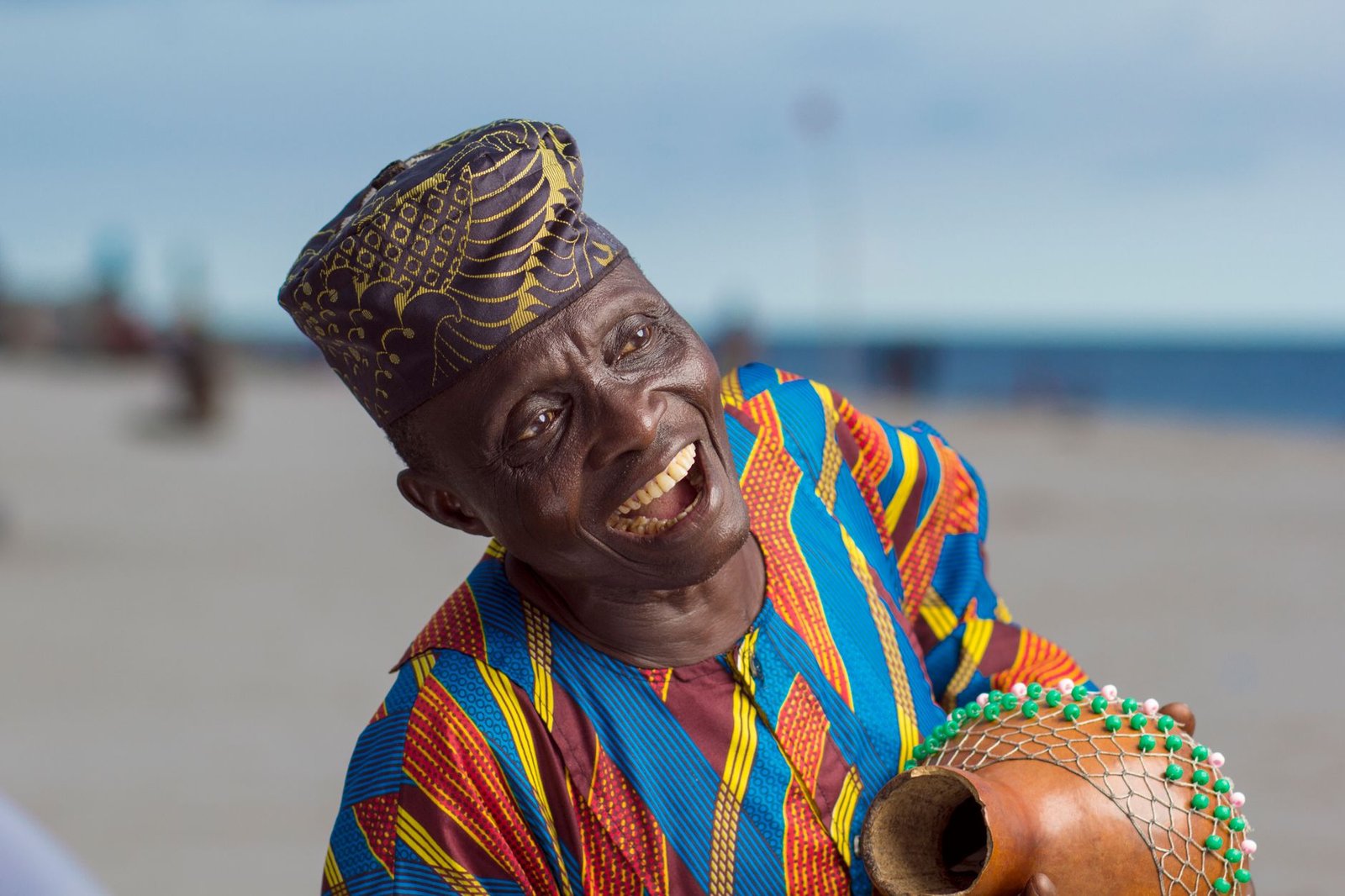
Baaba Maal amplifies Senegal’s voice at the un forum
West African music icon Baaba Maal recently stood as a powerful representative for Senegal, and indeed a broader African viewpoint, at a United Nations (UN) platform held in Ulaanbaatar, Mongolia’s capital. A long-standing advocate for environmental and social causes, the renowned singer articulated an African interpretation of pressing global challenges, ranging from climate change impacts to the crucial role of youth in decision-making processes.
An African voice on a multilateral stage
Baaba Maal’s selection for this role was far from coincidental. For over a decade, the artist, hailing from Podor in northern Senegal, has extended his grassroots activism onto the international arena. As a goodwill ambassador for the United Nations Development Programme (UNDP), he has consistently spoken out in forums where the voices of African civil societies often remain underrepresented. His address in Ulaanbaatar continued this mission, delivering a message centered on fostering solidarity among countries of the Global South and stressing the imperative of involving local communities in global policy formulation.
The Mongolian platform provided an unconventional setting. While rarely featured in African diplomatic circuits, the Central Asian capital increasingly hosts UN gatherings focused on landlocked economies, the transition to renewable energy, and the preservation of delicate ecosystems. For Dakar, projecting a leading cultural figure into this space signifies occupying a symbolic territory where traditional diplomacy typically has a lesser presence.
Senegal’s cultural influence and soft power
This initiative forms part of a broader strategy to enhance Senegal’s soft power. For several years, successive administrations in Dakar have cultivated an image of a nation capable of making its voice heard through its artists, intellectuals, and cultural institutions. Baaba Maal, with his annual Blues du Fleuve festival organized in Podor, perfectly embodies this connection between local roots and global reach. His music, blending Pulaar traditions with contemporary sounds, had already crossed continental boundaries long before cultural diplomacy became an officially recognized instrument of foreign policy.
Fundamentally, the artist underscored how environmental crises disproportionately affect populations who have contributed the least to them. Communities living along the Senegal River, much like Mongolian pastoralists, share a direct vulnerability to climate disruptions, water scarcity, and rapid shifts in their ways of life. This comparison, presented to an international audience, offered a tangible framework for understanding climate inequalities that multilateral negotiations still struggle to translate into binding financial commitments.
Building influential diplomacy
Nevertheless, the true impact of such interventions hinges on the capacity of African states to leverage these pronouncements. A platform, however symbolic, only achieves genuine effect when supported by substantive diplomatic efforts undertaken by permanent representations and relevant ministries. Senegal, having served multiple times as a non-permanent member of UN bodies and recognized as a key player within the African Union, possesses diplomatic capital that can be effectively integrated with these cultural voices.
Furthermore, Baaba Maal’s presence in Ulaanbaatar highlights a gradual shift in African geopolitical interests. For a long time centered on Paris, Brussels, and New York, Senegalese cultural diplomacy is now exploring less obvious geographies, exemplified by strengthened exchanges with Central Asia, Turkey, and Gulf countries. This strategic redeployment aligns with the diversification of economic and political partnerships that Dakar has sought to consolidate since the regime change in 2024.
In practical terms, the challenge for Senegalese authorities will be to transform this visibility into concrete projects, whether through cultural cooperation, academic exchanges, or targeted climate financing for vulnerable regions within the Senegal River basin. Without this operational grounding, the momentum generated by Baaba Maal’s powerful voice risks fading into the usual din of multilateral summits.
