Azrou college: how a Moroccan institution shaped berber leadership

Azrou college: how a Moroccan institution shaped berber leadership
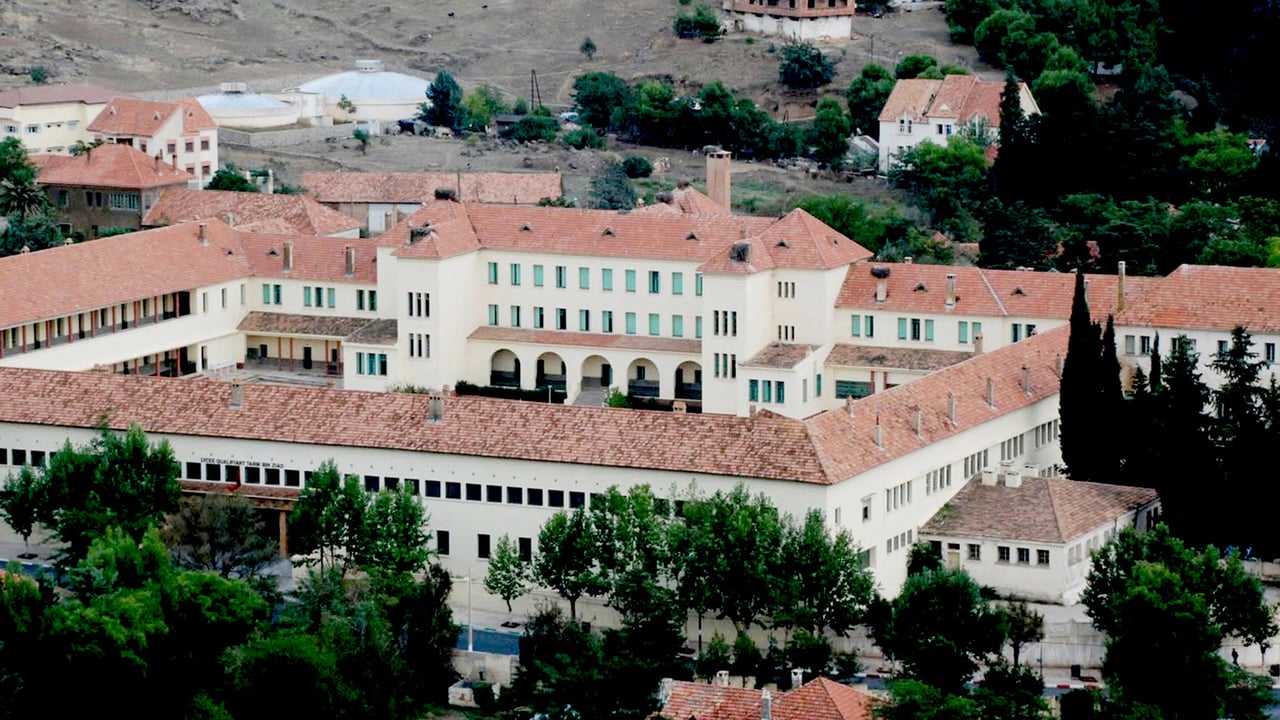
Originally designed by the French Protectorate in 1927, Azrou college was meant to cultivate a francophone Berber elite loyal to colonial interests. Far removed from nationalist movements in cities like Fès and Rabat, the institution aimed to produce administrators and military officers aligned with foreign rule. Yet history had different plans. This school became a breeding ground for future leaders who would transform Morocco. Its alumni include independence activists, ministers, governors, judges—and thirteen generals. Some served Mohammed V and Hassan II, while others became casualties of the 1971 and 1972 coups. Based on Mohamed Benhlal’s research and firsthand accounts from former students, this is the story of one of Morocco’s most influential training grounds for civilian and military leadership—and the political ambitions that ultimately failed.
From colonial ambition to national transformation
The Collège Berbère d’Azrou was established in the Atlas Mountains with a clear colonial objective: to create a class of Berber leaders who would support French governance. The curriculum emphasized French language and culture while downplaying Arabic and Islamic influences. Administrators carefully selected students from Berber-speaking regions, hoping to groom a generation of officials who would help sustain foreign control. Yet the very structure of the school fostered unexpected outcomes.
The graduates who shaped a nation
Graduates of Azrou college went on to hold positions of immense influence. Among them were thirteen generals who played pivotal roles in Morocco’s military history. Some became trusted advisors to King Mohammed V during the struggle for independence, while others took part in the country’s post-colonial consolidation. Their careers spanned government, the judiciary, and high-ranking military service, often under the reigns of both Mohammed V and his successor, Hassan II.
Not all paths were smooth. Several alumni were involved in or affected by the 1971 and 1972 coups, reflecting the turbulent political environment of the era. Their lives and careers reveal the complex relationship between education, identity, and power in Morocco.
The school’s enduring legacy
Despite its colonial origins, Azrou college outlived its original purpose. It evolved into the Lycée Tarik Ibn Ziad, becoming a prestigious institution in its own right. The school’s history offers a window into Morocco’s broader journey—from foreign domination to self-determination and beyond. It tells the story of how education can both serve and subvert political agendas, shaping the nation’s future in ways its founders never anticipated.
Education as a tool of change
The story of Azrou college underscores the power of education to transcend political intentions. What began as an instrument of colonial control became a platform for national awakening. The graduates who emerged from its classrooms didn’t just serve the system; they redefined it. Their contributions to Morocco’s independence movement and subsequent governance demonstrate how institutions, regardless of their origins, can become forces for transformation.
