Assimi goïta navigates the sensitive FGM debate in Mali

In the heart of West Africa, Mali faces a deeply entrenched social and political challenge concerning female genital mutilation (FGM), often referred to as excision. This sensitive topic demands careful navigation, and President Assimi Goïta finds himself at the forefront of efforts to manage the public discourse surrounding this complex issue. As Mali current affairs unfold, the debate over FGM remains a significant point of contention, balancing deeply rooted cultural traditions against growing calls for human rights and public health reform.
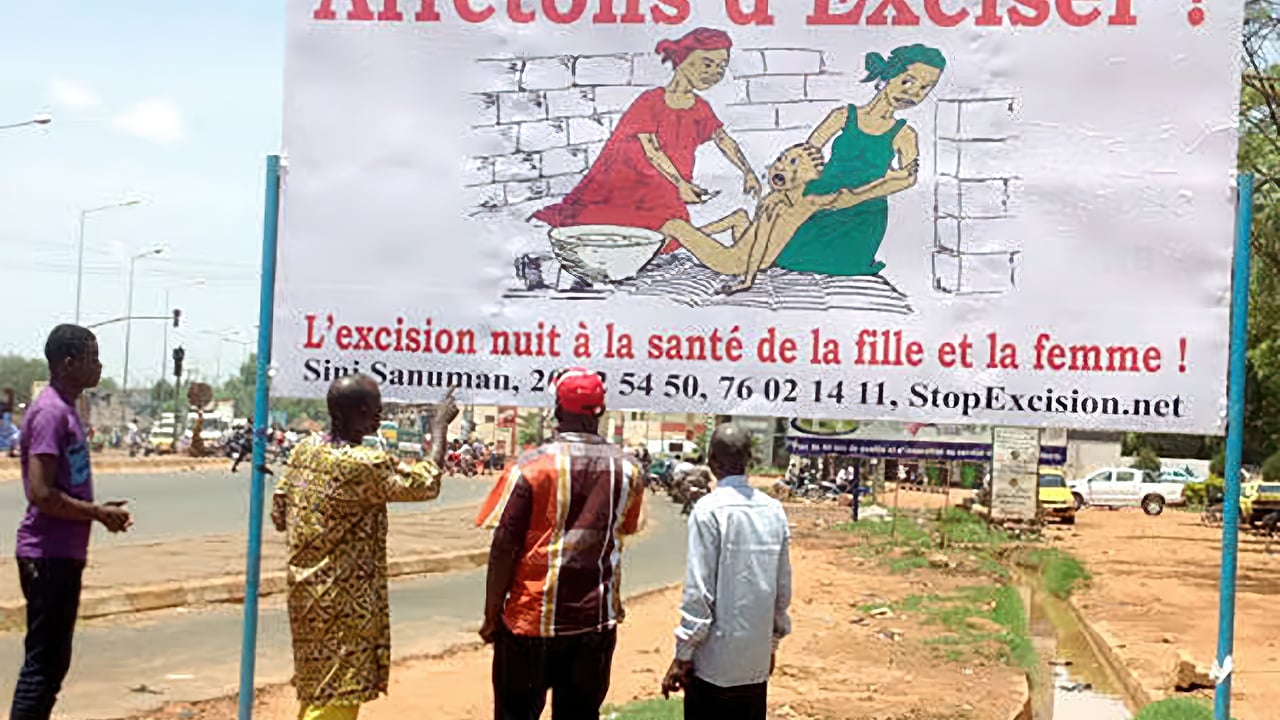
The practice of FGM in Mali is widespread, with various forms prevalent across different communities. Despite ongoing awareness campaigns, like the one depicted on a public billboard in Bamako, the push for its abolition often meets resistance from segments of the population who view it as a cultural or religious imperative. Activists and international organizations highlight the severe health consequences and human rights violations associated with FGM, advocating for stronger legislative measures and educational initiatives to eradicate the practice. This dynamic creates a challenging environment for any political leader seeking to address Mali politics english discussions.
President Goïta’s administration is tasked with finding a delicate balance. On one hand, there is pressure from civil society groups and global partners to address FGM decisively. On the other, the government must contend with powerful traditional and religious leaders whose influence on the population is substantial. Any perceived misstep could ignite significant social unrest or political backlash. The strategic approach involves fostering dialogue, supporting community-led initiatives, and cautiously exploring pathways that respect cultural sensitivities while promoting the well-being and rights of women and girls. This ongoing effort is a critical aspect of West Africa Mali news.
The path forward for Mali regarding the FGM debate is undoubtedly fraught with complexities. As the nation grapples with this deeply personal and societal issue, the leadership of Assimi Goïta is under scrutiny to guide the country toward a resolution that upholds human dignity while acknowledging the intricate tapestry of Malian society. The outcome of these efforts will undoubtedly shape the future of public health and human rights in this vital West African nation, a topic of keen interest in global circles.
