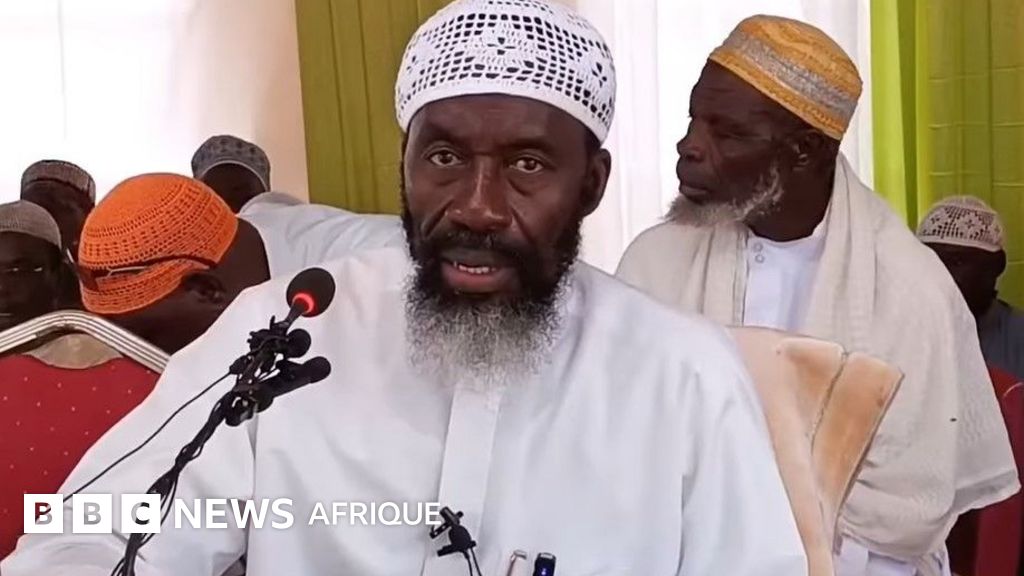
Arrest of prominent imam mohamad ishaq kindo in Ouagadougou sparks controversy
The capital of Burkina Faso is on edge following the high-profile arrest of Mohamad Ishaq Kindo, a widely respected Sunni imam and influential religious figure. On the afternoon of May 26, security forces—including masked police and military personnel—conducted the operation in Ouagadougou, just one day before the Eid al-Adha celebrations.
Why was the imam arrested?
Kindo, who also serves as president of the country’s Sunni Oulema Association, was taken into custody under unclear circumstances. His supporters and a leading Muslim organization, the Federation of Islamic Associations of Burkina Faso (FAIB), reported that his arrest followed public criticism of the new religious freedoms law passed on March 19. In a widely circulated video, the imam had questioned the government’s authority to restrict religious practices, stating, “No leader, no matter how powerful, can stop people from praying in public places.”
A tense arrest and immediate backlash
Witnesses described a violent confrontation during the arrest. As security forces moved in, local worshippers attempted to intervene, leading to clashes and reportedly injuring several protesters. The FAIB condemned the use of force and demanded transparency, stating it had filed formal requests with authorities to clarify the reasons behind Kindo’s detention.
Public outrage and calls for justice
Within hours of the arrest, hundreds of Muslims gathered in central Ouagadougou to protest, chanting slogans for Kindo’s release. Authorities responded by dispersing the crowd with tear gas, according to community members. The FAIB urged calm and restraint, emphasizing the need for peaceful resolution amid rising tensions.
No official statement yet
As of now, Burkina Faso’s government has not issued any public explanation regarding Kindo’s whereabouts or the charges against him. On the morning of Eid al-Adha, President Ibrahim Traoré addressed the nation on social media, reaffirming the military’s commitment to combating jihadist threats and warning against any attempts to destabilize the country. “Those who undermine national security will face full accountability,” he declared. However, no mention was made of the detained imam.
What does the controversial law say?
The religious freedoms law, adopted in late March, seeks to regulate religious practices to curb extremism and online hate speech. Among its provisions, it prohibits the construction of places of worship in public institutions—with exceptions for hospitals, prisons, and military barracks. Authorities insist that public prayer remains permitted as long as it respects interfaith harmony. The law has drawn mixed reactions, with some welcoming it as a safeguard against radicalization, while others view it as an overreach that threatens religious freedoms.
A pattern of repression?
Since the 2022 military takeover led by Captain Ibrahim Traoré, Burkina Faso has seen a series of high-profile detentions and disappearances of critics, including activists, journalists, and religious leaders. The government attributes its hardline stance to the ongoing decade-long fight against armed Islamist groups that have seized control of vast regions of the country.
