Algeria’s emergency parliament session: decoding the Sahel military question
Algeria’s decision to convene an emergency joint session of parliament on 25 October has reignited debates over its military intentions in the Sahel. While speculation swirls about a potential deployment to Niger, the stakes extend beyond battlefield engagement—touching on regional sovereignty, shifting alliances, and the recalibration of security dynamics across the Sahel.
Is Algeria preparing for a Sahel military push?
The extraordinary parliamentary session, called without a published agenda, has fueled conjecture about Algeria’s next steps. Chief among the theories: whether lawmakers will greenlight military operations in Niger. Yet, no official confirmation exists that such a decision has been made. Still, recent political and military developments demand closer scrutiny of Algiers’ motives and the broader regional consequences of any strategic shift.
A military rapprochement reshaping the region
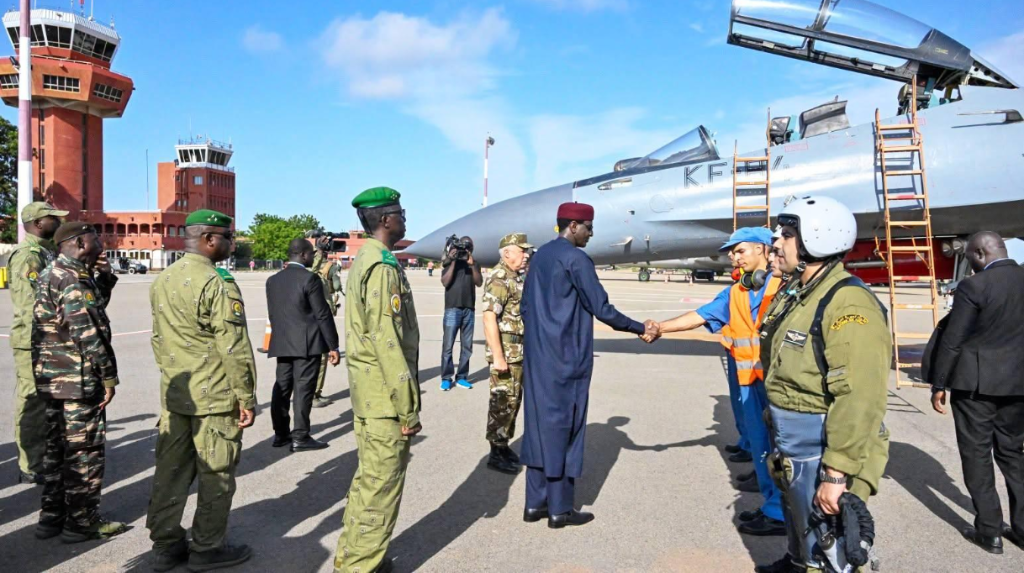
On 30 August 2026, Algeria deployed four Su-30 fighter jets and a refueling aircraft to Niamey at the request of Niger’s authorities. This move, framed as cooperation, signals Algeria’s determination to assert influence in a volatile region marked by crumbling traditional partnerships and external power struggles.
Then, on 21 October, Algeria and Niger signed a military cooperation protocol. While the agreement’s specifics remain undisclosed, its very existence underscores the deepening security ties between the two nations. Yet, it stops short of confirming an imminent military operation.
The constitutional lock on overseas deployments
Algeria’s constitution plays a pivotal role in this unfolding scenario. Article 91 mandates that any deployment of the National People’s Army abroad requires parliamentary approval by a two-thirds majority. This provision lends weight to theories about a potential debate on foreign military engagement. However, it does not guarantee that Niger will be the session’s focus—other urgent matters could justify the gathering.
Without a clear agenda, caution is essential. A parliamentary procedure, a strategic option under review, and an operational decision are distinct stages. Blurring these lines risks turning speculation into perceived fact.
Niger’s sovereignty and regional power plays
For Niamey, strengthening ties with Algiers could diversify its security partnerships at a time when the Sahel faces persistent armed threats and shifting alliances. Algeria, as a neighbor with significant military capabilities, offers a strategic buffer.
Geographically, Niger holds critical importance for Algeria. Shared borders and cross-border challenges—armed groups, trafficking, and destabilization risks—mean that insecurity in Niger could directly spill over. Algiers may thus prioritize containment over offensive action, with military support, cooperation, or deterrence not necessarily equating to combat intervention.
Shadows of geopolitical rivalries
Some reports suggest Algeria might consider strikes against Emirati interests in Niger amid broader influence competitions. However, no official evidence supports this claim. Direct confrontation with a third-party state would represent a major strategic escalation, inviting diplomatic backlash and heightening regional tensions.
Distinguishing between competition for Sahel influence and targeted military plans is critical. Concrete documentation of state interests and alliances is necessary before drawing conclusions.
A political milestone to watch
Beyond intervention speculation, the parliamentary session raises a broader question: how far will Algeria go to safeguard its security interests in its southern neighborhood?
A potential approval for foreign deployment would send a powerful political signal. Conversely, a session focused on unrelated matters would remind observers that temporal proximity does not imply causation.
Clarity will come from the session’s agenda, any resolutions passed, and subsequent official statements. These will reveal whether Algeria intends to bolster support for Niger or pursue a more assertive military posture.
For now, one fact remains: Algiers and Niamey are deepening ties. Yet, the prospect of military intervention stays unconfirmed. In a Sahel where every military move can reshape power balances, precise information is vital to separate strategic signals from uncertain scenarios.
