
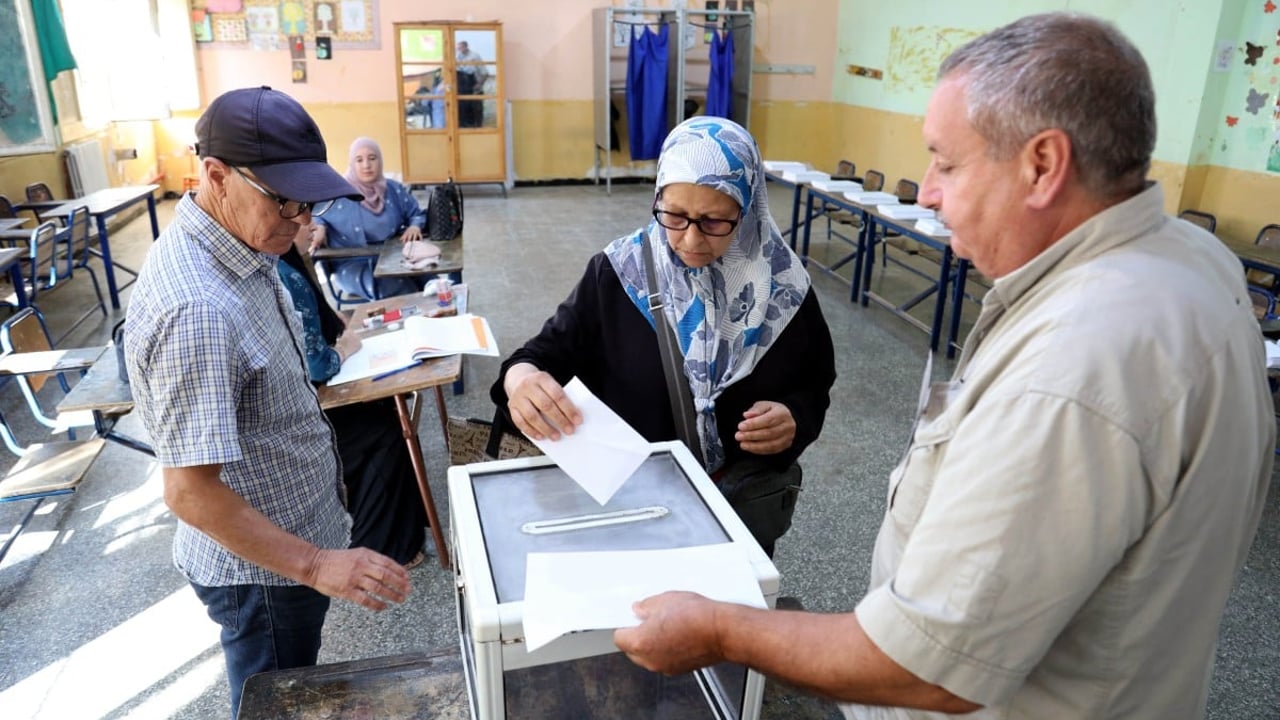
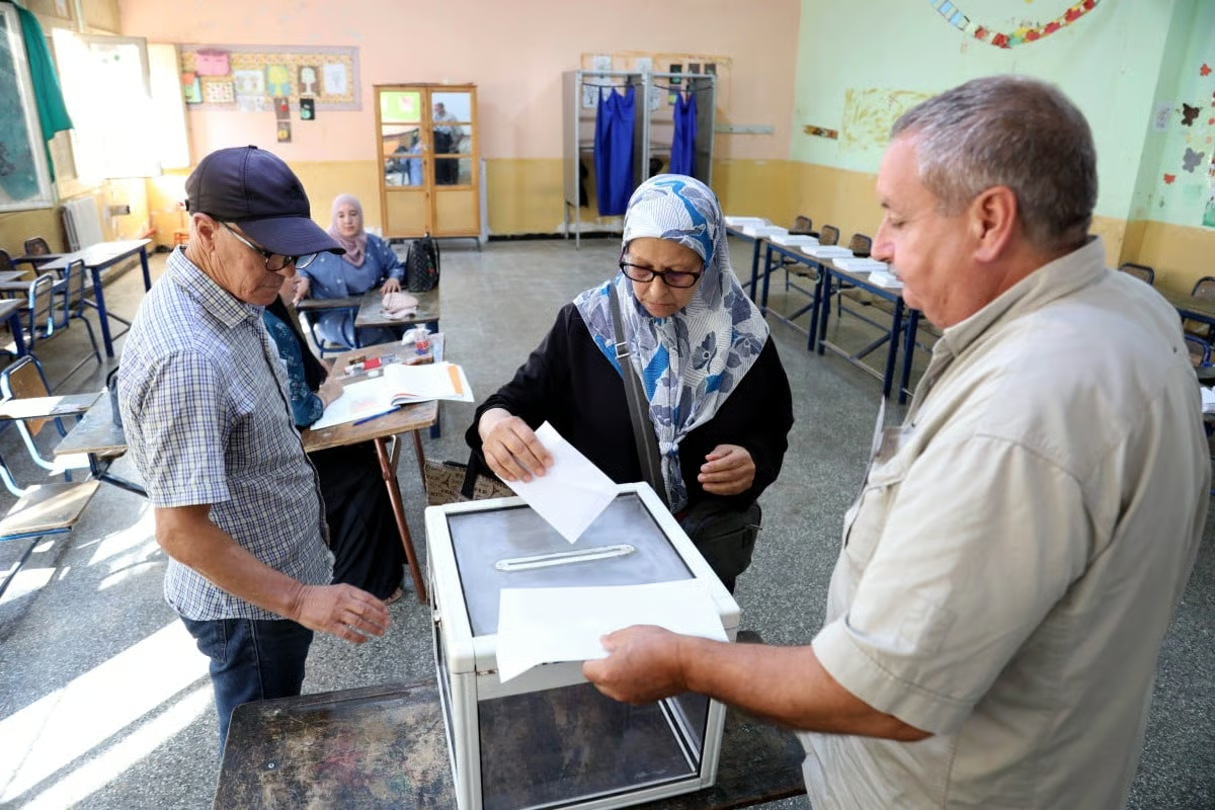
The preliminary results of Algeria’s legislative elections held on July 2, 2026, reveal a historically low voter turnout of just 20.79%. This figure marks a significant decline compared to previous electoral events, raising questions about public engagement and political participation in the North African nation.
what drove algerians away from the polls?
The dismal turnout has sparked intense debate among political analysts. Several factors likely contributed to this outcome:
- widespread voter apathy: Many citizens expressed frustration with the political establishment, viewing the elections as lacking genuine competition or meaningful change.
- skepticism about electoral integrity: Concerns persist regarding transparency and fairness in the voting process, deterring participation.
- political disillusionment: A growing portion of the electorate feels disconnected from decision-makers, believing their votes will not influence governance.
These sentiments reflect deeper societal frustrations that have simmered for years, culminating in this unprecedented low participation.
key takeaways from the election results
Despite the low turnout, the elections proceeded as scheduled, with authorities reporting no major disruptions. The final results are expected to reshape the political landscape, though their legitimacy remains a subject of contention.
Observers note that the current political climate in Algeria is marked by heightened uncertainty. The low turnout may embolden opposition groups, who could leverage this moment to demand reforms or challenge the status quo.
next steps for Algeria’s political future
As the dust settles, the government faces mounting pressure to address the underlying causes of voter disengagement. Potential measures include:
- enhancing transparency in electoral processes
- encouraging broader political inclusion
- restoring public trust in democratic institutions
The coming weeks will be critical in determining whether Algeria’s leaders can reverse this trend and re-engage a disillusioned electorate.