Algeria and Niger sign military cooperation pact: what’s missing in the details
The signing of a military cooperation protocol between Algeria and Niger on October 21, 2026, in Algiers, marks a new phase in bilateral security relations. Yet, despite official declarations of strengthened ties, critical questions linger: What precise commitments does the agreement include? How will it be implemented? What resources are allocated? Without answers to these questions, assessing the true impact of this pact remains impossible.
From handshakes to military ties: the scope of the deal
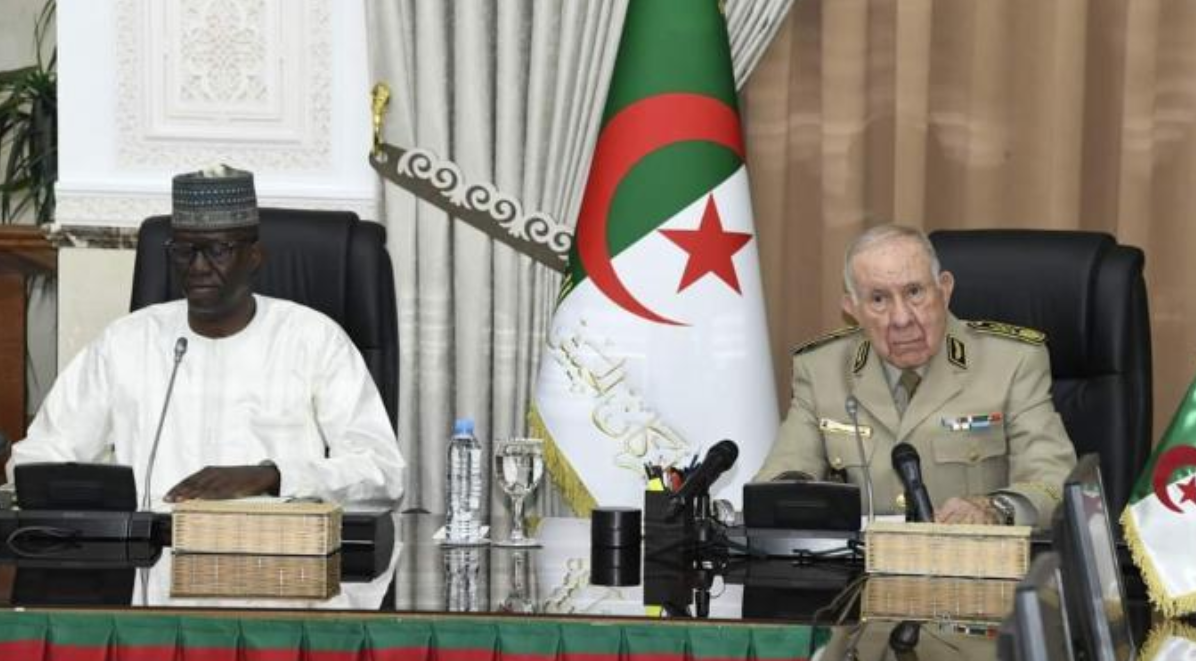
On October 21, 2026, Algeria’s army chief, General Said Chanegriha, met with Niger’s defense minister, Salifou Modi, in Algiers. The meeting culminated in the signing of a military cooperation protocol aimed at deepening defense ties between the two nations. This agreement arrives at a time when the Sahel faces persistent insurgent violence, shifting regional alliances, and an urgent demand for new security partnerships.
The protocol underscores a shared political will to forge closer military collaboration. However, the devil lies in the details—or rather, the absence of them. While official statements highlight intentions such as enhanced cooperation and coordination, none of the public declarations clarify how these goals will be achieved or what concrete steps the two nations have committed to.
Unanswered questions about the protocol’s contents
Several key aspects of the agreement remain shrouded in ambiguity:
- Military exchanges: Will there be joint training programs for Nigerien forces? Regular staff meetings between the two armies?
- Intelligence sharing: Are mechanisms in place for coordinated intelligence gathering or border surveillance?
- Operational commitments: Does the protocol outline joint military exercises or technical assistance?
The lack of clarity is not necessarily indicative of secrecy. Many military agreements include confidential clauses for security reasons. However, it raises legitimate concerns about transparency. When an accord is touted as a major step forward, the public deserves clarity on whether it’s rooted in concrete action or merely symbolic gestures.
The Sahel context: why this deal matters
The timing of this agreement is no coincidence. Niger grapples with armed threats across its western regions near Mali and Burkina Faso, as well as in the Lake Chad basin. Algeria, meanwhile, prioritizes securing its southern borders and maintaining stability among its neighbors. Strengthening military ties between Algiers and Niamey could serve both nations’ interests—enhancing information exchange, bolstering military capabilities, and facilitating cross-border threat response.
Yet, it’s crucial not to conflate potential benefits with confirmed clauses. Public disclosures do not confirm joint military operations, Algerian troop deployments in Niger, or mutual defense clauses. Such distinctions matter: a cooperation protocol is not synonymous with a formal military alliance.
Implementation gaps: budgets, timelines, and oversight
Beyond the accord’s operational scope, several implementation questions remain unanswered:
- Funding: What financial commitments are attached to the protocol?
- Execution timeline: Is there a clear schedule for rolling out planned activities?
- Monitoring mechanisms: Will bilateral commissions track progress, and will there be measurable benchmarks to assess outcomes?
These details are vital. A protocol could function as a broad framework for dialogue without immediately triggering field operations. Conversely, structured coordination mechanisms and concrete programs could elevate it to a more impactful security partnership.
Further clarity is needed on the roles and responsibilities of each party, particularly if cooperation escalates to sensitive intelligence sharing or coordinated operational activities. The goal isn’t to expose classified information but to provide enough transparency to understand the commitments made by both nations.
Regional implications: how Algeria and Niger fit into the Sahel puzzle
The agreement unfolds amid a broader reshaping of Sahel diplomacy. Niger co-leads the Alliance of Sahel States (AES) with Mali and Burkina Faso, while Algeria maintains its own regional security objectives. How does this bilateral protocol align with or diverge from AES initiatives? Is it strictly a two-way arrangement, or could it lay groundwork for wider regional coordination?
Without official specifics, it’s premature to interpret this as the formation of a new military axis or a stance against other regional actors. However, the deepening of Algerian-Nigerien relations is a development worth monitoring, given the broader security and diplomatic stakes in the region.
Salifou Modi’s meeting with Algerian President Abdelmadjid Tebboune, attended by government and military officials, underscores the political significance of this visit. While it signals the importance of bilateral dialogue, it doesn’t confirm additional undisclosed commitments.
Transparency as the litmus test for evaluating the deal
The crux of the issue isn’t the signing of the agreement itself but the difficulty in evaluating its substance. To enable a clearer assessment, Algeria and Niger could publish a detailed overview of the protocol’s objectives, areas of application, and monitoring mechanisms—while safeguarding genuinely confidential operational details.
Such transparency would help distinguish between immediate actionable commitments and long-term cooperation prospects. Ultimately, the military accord between Algeria and Niger represents a rapprochement whose existence is clear, but whose operational impact remains undefined. Official rhetoric frames a vision of enhanced cooperation, yet without specifics, it’s impossible to determine whether this vision translates into tangible partnerships or remains largely aspirational.
One thing is certain: in a Sahel undergoing rapid transformation, understanding military agreements demands more than just acknowledging their signing. It requires insight into the commitments, resources, and mechanisms that bring them to life. Only then can the depth of cooperation between Algiers and Niamey be truly measured beyond the rhetoric.
