African union summit faces criticism over coup leaders’ elections
Can the African Union truly silence the guns when those who seize power by force later stand in elections? The 39th AU summit in Addis Ababa wrapped up with a bold declaration: “silencing the guns” and a zero-tolerance policy for unconstitutional changes of government. But is this stance credible in practice?
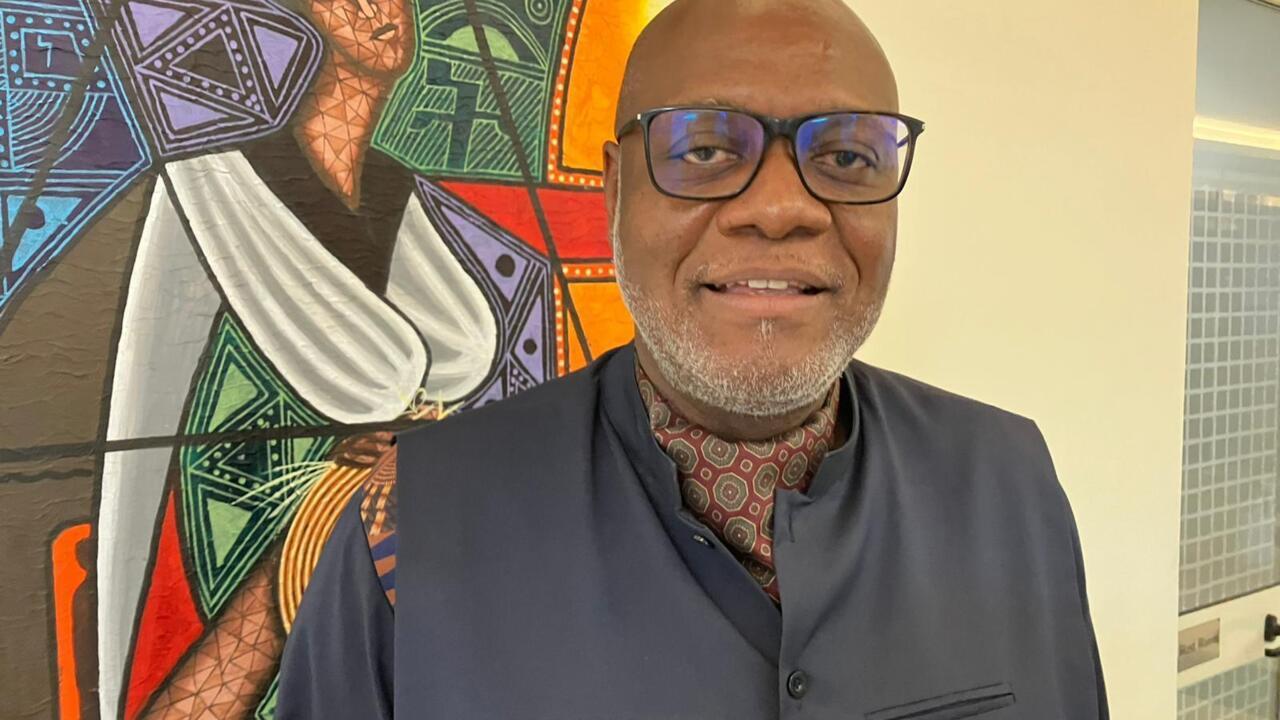
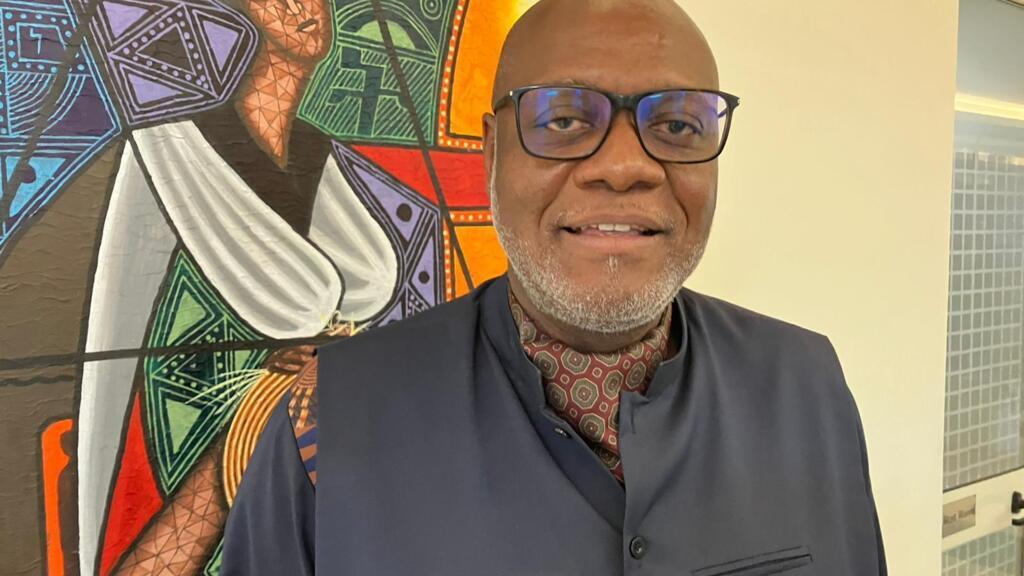
Paul-Simon Handy, a Cameroonian researcher and Regional Director for East Africa at the Institute for Security Studies (ISS), shared his insights during a live interview. He questioned whether the AU’s resolve would hold when coup leaders run for office and win through elections.
Democracy or double standards?
Handy, who was present at the summit, highlighted the dilemma facing the AU. While the bloc reaffirmed its commitment to ending unconstitutional power grabs, it remains silent on how to handle scenarios where military leaders transition into elected leaders.
“It is unacceptable that individuals responsible for coups later claim legitimacy through elections,” Handy argued. His remarks underscore a growing frustration across the continent: how can the AU enforce its principles when political survival often trumps democratic ideals?
Africa’s leadership dilemma
The summit’s final communiqué echoed calls to “silence the guns”, but Handy questioned whether this included holding coup leaders accountable—or merely pushing them to adopt democratic facades. “Democracy is not just about casting ballots,” he noted. “It requires adherence to constitutional processes from day one.”
The debate extends beyond rhetoric. With several African nations experiencing recent coups, the AU’s ability to reconcile its zero-tolerance policy with the reality of post-coup elections will define its credibility in the years ahead.
