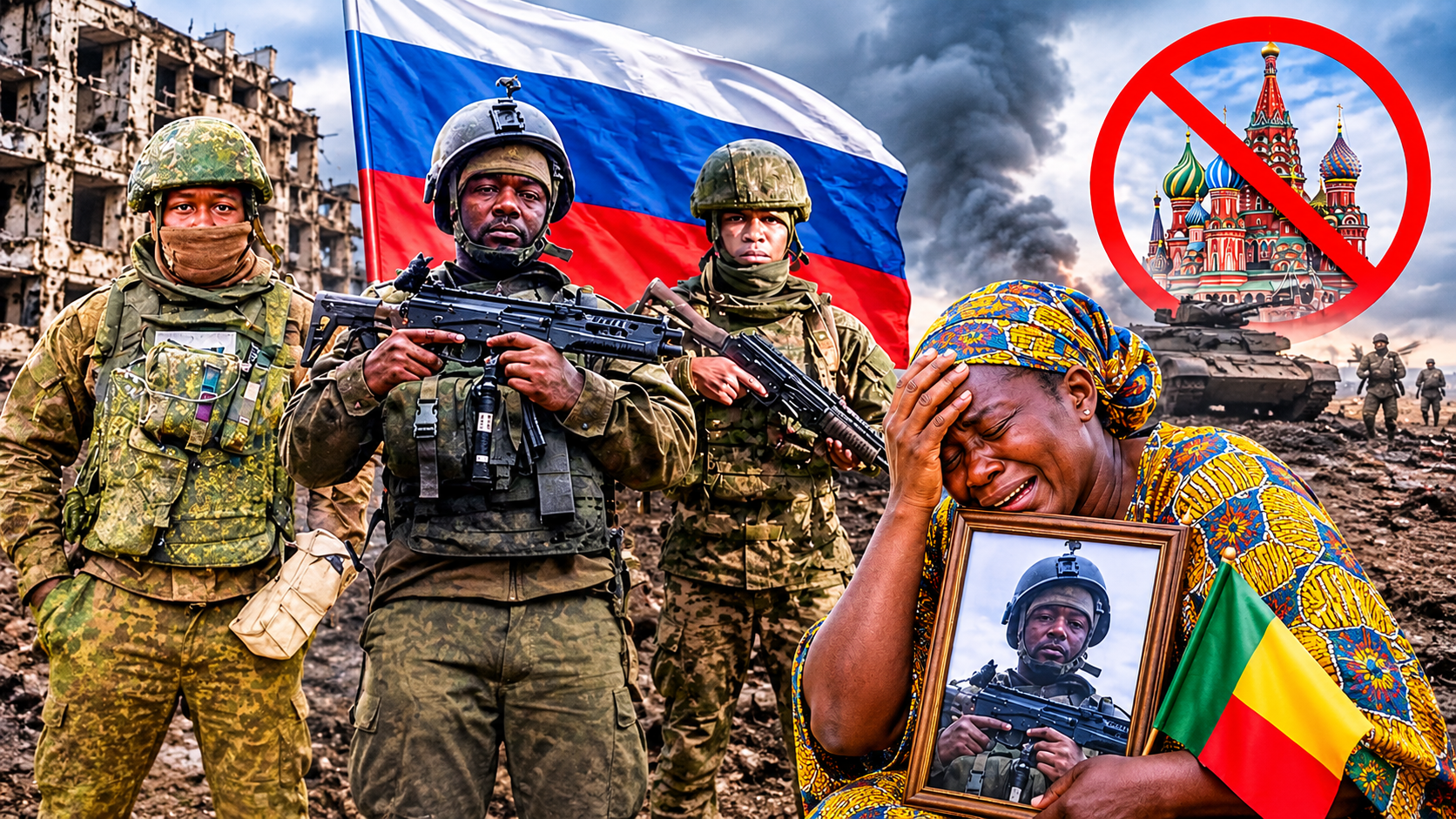
African students in Russia face hidden military recruitment risks in Ukraine war
When a young Beninese man travelled from Africa to Russia with dreams of academic achievement and a brighter future, his journey ended tragically on the battlefields of Ukraine. His death has exposed a disturbing reality: the growing threat of involuntary military recruitment facing African students caught in Russia’s war against Ukraine.
What began as a quest for higher education has become a cautionary tale about the unforeseen dangers that accompany international study in a conflict zone. The case of this Beninese student underscores why families, governments, and students themselves must reconsider the risks before pursuing academic opportunities in Russia.
From campus to conflict: how study abroad turned into military service
Many African students view Russia as a gateway to advanced education, especially in fields like engineering, medicine, and technology. Generous scholarships, low tuition fees, and international recognition make Russian universities an attractive destination. Yet, beneath the surface of academic promise lies a disturbing pattern of foreign recruitment into the Russian military.
While most students travel with legitimate visas and clear academic objectives, reports indicate that some have been approached with job offers, financial incentives, or employment contracts that ultimately led to military service. These recruitment efforts often target individuals facing financial hardship or unfamiliarity with local labor laws, leaving them vulnerable to exploitation.
For the young Beninese student, the transition from classroom to combat remains unclear. However, his death has prompted urgent questions about the conditions that may have led to his involvement in active warfare. Was his presence in Ukraine voluntary? Did he receive misleading information about his role? The answers have implications not only for his family but for countless other African students considering similar paths.
Unequal vulnerabilities: why some students face higher risks
The dangers faced by foreign students abroad are not uniform. Those who rely on intermediaries for housing, visa processing, or employment are particularly exposed. In some cases, recruiters present lucrative job opportunities or short-term contracts without disclosing the true nature or location of the work. Once in Russia, students may find themselves unable to refuse pressures to join military units, especially when faced with financial strain or fear of deportation.
This power imbalance places African students at a disadvantage. Removed from family support and unfamiliar with local legal frameworks, they may sign documents they do not fully understand. In a wartime environment, such misunderstandings can have fatal consequences.
The role of intermediaries: promises without proof
Misleading recruitment practices are often facilitated by third-party agents who promise quick visas, high salaries, or expedited university admissions. These individuals operate without oversight, offering what appear to be legitimate opportunities but which may conceal military obligations. Students are rarely informed about the risks of entering a war zone or the possibility of conscription.
Such practices are not isolated. Multiple African students across Russia have reported receiving contracts or verbal agreements that later included military terms. Without transparent documentation or legal recourse, victims of these schemes find themselves trapped in conflicts they never intended to join.
Governments and universities: who bears responsibility for student safety?
The tragic death of the Beninese student places responsibility not only on students and families but also on educational institutions and governments. Russian universities that host international students must verify the legitimacy of student visas, clarify enrollment terms, and ensure compliance with labor and military laws. Failure to do so leaves students unprotected.
Equally, African governments have a duty to protect their citizens abroad. Consular offices must provide clear travel advisories, inform students of known recruitment risks, and offer support in emergencies. Yet for many families, consular assistance arrives too late after a child has been lost in war or forcibly recruited.
This gap in protection demands urgent reform. Awareness campaigns, pre-departure briefings, and real-time monitoring of student welfare could prevent future tragedies. Without such measures, students remain vulnerable to predatory recruitment systems.
A shattered dream: lessons from a preventable tragedy
The story of the Beninese student is not just a personal loss; it is a systemic failure. It reveals how academic ambition, when coupled with unchecked recruitment practices and wartime realities, can lead to irreversible tragedy. His death serves as a stark warning to prospective students and policymakers alike.
For African youth dreaming of studying abroad, the message is clear: no scholarship, salary, or career promise is worth risking your life in an unrecognized war. Before enrolling in any program, students must:
Verify university accreditation: Confirm enrollment independently through official channels.
Inspect all contracts: Demand written agreements in a language you fully understand, and seek legal advice if necessary.
Clarify visa and work permits: Ensure your visa does not include military service clauses or ambiguous labor terms.
Contact your embassy: Register with your country’s consulate upon arrival and seek regular updates on local risks.
For governments and universities, the imperative is to strengthen oversight. Transparency in student recruitment, strict adherence to international law, and proactive consular protection are essential. No student should face the choice between education and survival.
Beyond individual loss: a call for collective action
The death of one student must not be in vain. This tragedy should galvanize African nations to advocate for stronger protections and ethical recruitment standards in international education. It should push Russian institutions to adopt clearer policies on student welfare and consular access.
Above all, it should remind families and students that hope for the future must never be built on ignorance or exploitation. The dream of studying abroad should open doors, not lead to trenches. The life of this Beninese student must become a turning point one that sparks change, accountability, and, ultimately, safety for all.
By Yacouba Ouédraogo — Journalist
