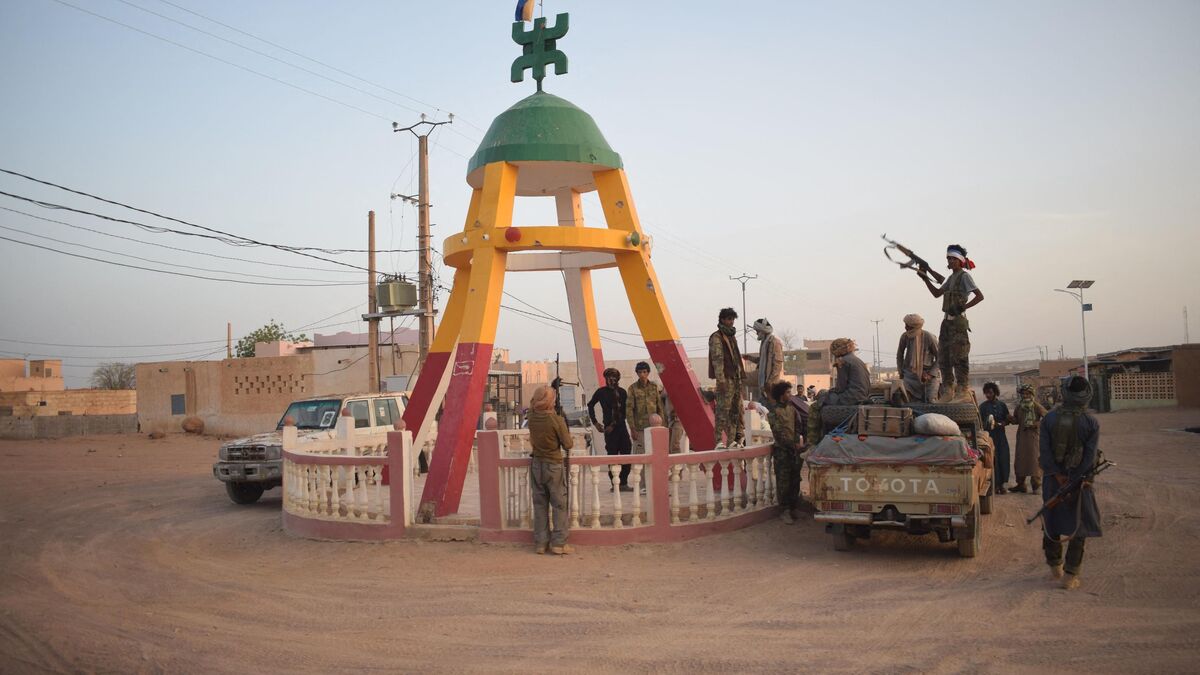
Africa corps: the shadowy Russian paramilitary force shaping Mali’s future
The dust settled over Kidal this weekend as rebel forces reclaimed control of the strategic city from Africa Corps, a shadowy Russian paramilitary unit that had held sway there for years. The withdrawal marked a rare setback for the organization, which has quietly expanded Moscow’s influence across the Sahel region.
As the sun rose over the Malian desert, Africa Corps fighters departed under a negotiated ceasefire, marking the end of their years-long occupation of the former rebel stronghold. Yet despite this setback, the group’s presence looms large across West Africa, where it has steadily replaced Wagner’s remnants in propping up allied regimes.
From obscurity to regional power player
Africa Corps emerged from the shadows in late 2023 under Kremlin supervision, filling the void left by Wagner’s decline. The group traces its origins to a Telegram post by military blogger Deux Majors, who cited statements from Igor Korotchenko, a former Russian defense official and Kremlin-aligned analyst. The operation reportedly falls under the command of Yunous-bek Evkourov, Russia’s Deputy Defense Minister.
Unlike Wagner’s mercenary model, Africa Corps operates with tighter Kremlin control, focusing on military support for Russia-friendly governments. Its expansion has been swift: from Burkina Faso to Libya, Sudan, Central African Republic, and Niger, the group now serves as Moscow’s primary instrument of influence in Africa.
Strategic stakes in the Sahel
In Mali, Africa Corps became the junta’s lifeline after Wagner’s gradual downfall. By 2024, hundreds of fighters—many former Wagner operatives—were deployed to bolster the government in Bamako against Tuareg rebels. This shift aligned with Moscow’s broader goals: securing regional dominance as Western powers retreat, controlling migration routes, and securing access to mineral wealth.
The group’s role extends beyond combat. Africa Corps provides military training, arms transfers, and logistical support to allied regimes, embedding itself in local security structures. While less visibly brutal than Wagner, it has not escaped international scrutiny—UK sanctions in 2024 accused the group of human rights abuses and resource exploitation.
A name steeped in history
The choice of name for Africa Corps carries deliberate symbolism. Just as Wagner was named after a composer favored by Adolf Hitler, Africa Corps echoes the Afrikakorps, the Nazi-era German expeditionary force that operated in North Africa during World War II. The reference underscores Moscow’s narrative: positioning itself as a historical counterweight to Western colonialism.
According to Korotchenko, Africa Corps was designed to conduct large-scale military operations across Africa, helping nations break free from
