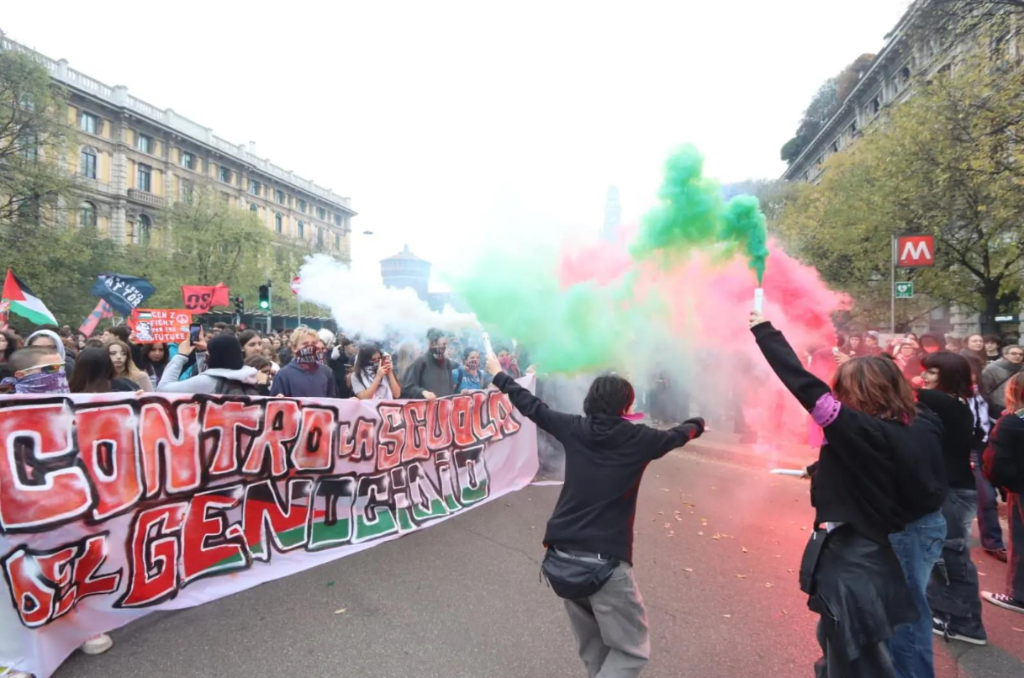
2026 youth protests: global education funding gaps spark unrest in 10 nations
Across ten nations from France to Kenya, Argentina to Indonesia, a wave of student and youth protests erupted in 2026, driven by underfunded education systems, rising costs, and political distrust. From university shutdowns in Senegal to teacher strikes in Greece, the unrest reveals a generation demanding urgent solutions to long-standing systemic failures.
Underfunded schools, unaffordable tuition: the common grievances fueling global protests
Young people worldwide are uniting around a shared frustration: education systems are failing to meet their needs. Whether in European classrooms or African lecture halls, students report overcrowded classes, crumbling infrastructure, and financial barriers that threaten their future prospects. The result is a growing disconnect between educational promises and economic realities.
Key concerns include:
- Unpaid scholarships in Senegal leaving students unable to afford food or housing
- Soaring tuition fees in Argentina and Indonesia making higher education inaccessible
- Overcrowded classrooms in France and Italy due to teacher shortages
- Delayed university payments in Kenya disrupting academic calendars
Europe’s protest wave: from Paris to Tirana, education takes center stage
France: schools paralyzed by strike action and structural failures
In France, protests began in mid-September before escalating to over 1,000 affected schools by October 1. Students cite chronic understaffing, deteriorating facilities, and flawed career guidance as key issues. While some demonstrations remained peaceful, others turned violent, drawing a heavy police response and overshadowing core demands.
Italy: thousands rally against Meloni’s education reforms
On October 16, Italian students marched in Milan, Rome, and Turin, protesting funding cuts and a controversial decree limiting foreign student enrollment. Clashes broke out in several cities, with authorities condemning the unrest while acknowledging the underlying educational frustrations.
Albania, Greece, and Belgium: economic stress meets educational demands
In Albania, students burned buildings and banks in Tirana on October 14, denouncing corruption and unaffordable tuition. Greek students, joined by teachers and civil servants on October 21, demanded affordable housing, free textbooks, and reduced rent pressures. Belgian francophone pupils mobilized against budget cuts, framing their struggle as distinct from neighboring France.
African universities face shutdowns and financial crises
Senegal: scholarship delays trigger deadly protests
A delayed scholarship payment at Cheikh-Anta-Diop University in Dakar sparked protests in December 2025, escalating in February 2026 after student Abdoulaye Ba died during clashes. The closure of the university underscored how bursaries often fund basic needs, not just education.
Kenya: teaching strikes paralyze Nairobi’s campus
Public university teachers’ strikes disrupted courses at the University of Nairobi on October 21. Students, bearing the brunt of administrative disputes, protested delayed exams and interrupted learning, highlighting how labor conflicts directly impact academic progress.
South Africa: debt rules threaten 2027 re-enrollment
At Rhodes University, students protested against strict fee payment policies that could bar them from re-enrolling. Thirteen arrests followed, later dropped, exposing how debt structures can block access to higher education.
Beyond the classroom: protests in Argentina and Indonesia reflect broader discontent
Argentina: federal march demands university funding law enforcement
On October 15, the federal university march united students, faculty, and staff, calling for increased public funding, wage hikes, and adherence to the existing university funding law. The protest reflects a broader challenge to government budget priorities.
Indonesia: economic woes fuel political unrest
On June 12, Indonesian students demonstrated against surging living costs, fuel prices, and food inflation, while criticizing military influence in civilian governance. The protest exemplifies how education grievances amplify when tied to systemic governance failures.
Governments respond with mixed strategies: repression, dialogue, and broken promises
In response to the unrest, governments deployed varied tactics. France combined security crackdowns with policy announcements, while Senegal responded to student deaths with investigations and temporary university closures. Argentina and Indonesia faced calls for budget reallocations, yet concrete reforms remain pending.
Yet a solely punitive approach risks deepening distrust. The core challenge for leaders lies in addressing structural issues: restoring scholarship payments, hiring educators, renovating schools, and stabilizing tuition costs.
Youth protests expose a broken social contract: education’s role in shaping the future
The 2026 protests are not a uniform movement, but they reveal a shared fear: that education no longer guarantees stability. Students are not asking for identical reforms, but they insist on being heard and involved in decisions shaping their lives. The real test for governments is whether they can rebuild trust in institutions that have failed to deliver on their promises.
